Home | Substances | Inhalant addiction
Inhalant Addiction Treatment in Pennsylvania
Understanding Inhalant Abuse and Inhalant Addiction Treatment
Inhalant abuse involves intentionally inhaling chemical vapors to achieve a psychoactive effect. These substances are not intended for human consumption and include volatile solvents, aerosol sprays, gases such as nitrous oxide, and fuels such as lighter fluid. When inhaled, these chemicals rapidly enter the bloodstream and affect the central nervous system, producing short-lived intoxication.
Over time, repeated inhalant use can develop into inhalant use disorder, a recognized form of substance use disorder described in the Diagnostic and Statistical Manual of Mental Disorders. Chronic inhalant abuse alters brain chemistry, increases tolerance, and can lead to dependence, even when use initially appears sporadic.
At MPower Wellness, we understand the need to intervene with substance misuse swiftly and early to prevent future damage to the brain and vital organs.
Commonly Abused Inhalants and Their Acute Effects
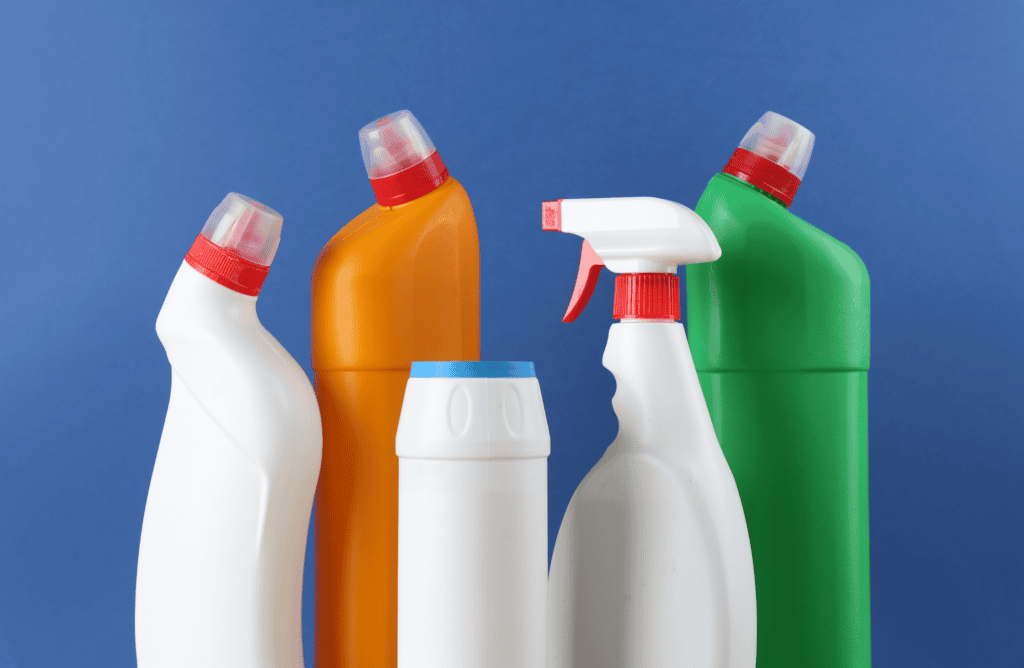
Inhalants are often everyday household or industrial products that are easy to access, which can make their risks easy to underestimate. Commonly misused inhalants include:
- Spray paint and aerosol products
- Nail polish remover and other acetone-based products
- Gasoline and lighter fluid
- Industrial solvents, especially those containing toluene
When inhalants are misused, they can produce fast and unpredictable effects on the brain and body. Short-term effects may include:
- Dizziness or lightheadedness
- Euphoria or a brief sense of calm
- Slurred speech and confusion
- Poor coordination and slowed reaction time
Because inhalants suppress the central nervous system, even brief use can lead to serious medical complications, including:
- Dangerous heart rhythm disturbances
- Slowed or suppressed breathing
- Acute lung and airway injury
In some cases, a single episode of inhalant use can be fatal. This is known as sudden sniffing death syndrome, a rare but devastating outcome that can occur without warning.
Request a Call
Struggling with addiction or mental health? You donโt have to face it aloneโrequest a confidential call today.
"*" indicates required fields
Inhalant Abuse, Mental Health, and Co-Occurring Disorders
Inhalant abuse often overlaps with co-occurring mental disorders, including anxiety, depression, trauma-related conditions, and other psychiatric disorders, which may require a specific type of dual diagnosis treatment program. Some individuals use inhalants to cope with emotional distress, boredom, or psychological pain, particularly in cases of adolescent inhalant abuse.
Chronic inhalant abusers may experience long-term mental health effects such as cognitive impairment, mood instability, or inhalant-induced psychotic disorder. Inhalant use may also co-occur with other substance use disorders, including alcohol or illicit drugs, increasing overall health risks and complicating recovery without integrated treatment.
Symptoms of Inhalant Abuse and Inhalant Use Disorder
The symptoms of inhalant abuse can be difficult to detect, especially because many inhalant substances are common household items. Detecting inhalant abuse often requires attention to behavioral, physical, and psychological changes.
Symptoms of inhalant use disorder may include:
- Chemical odors on breath or clothing
- Stains from paint or solvents on hands or face
- Headaches, nausea, or nosebleeds
- Mood changes, irritability, or anxiety
- Declining academic or work performance
- Continued inhalant use despite health or legal consequences
Without treatment, inhalant abuse remains a serious and potentially life-threatening form of substance abuse.
Inhalant Intoxication, Withdrawal, and Health Risks
Inhalant intoxication happens quickly and often without warning, which increases the risk of overdose, injury, and medical emergencies. Because these substances act rapidly on the brain and central nervous system, even short-term use can carry serious consequences.
Repeated or ongoing inhalant use can lead to long-term health effects, including:
- Damage to the brain and nervous system
- Suppression of bone marrow, which can affect blood cell production
- Liver and kidney injury
- Lasting cognitive and memory impairment
When inhalant exposure occurs during pregnancy, it has also been associated with fetal solvent syndrome, a condition that can cause developmental and neurological harm.
Withdrawal from inhalants can be uncomfortable and emotionally challenging. Symptoms may include:
- Anxiety and agitation
- Sleep disturbances
- Nausea and appetite changes
- Tremors or restlessness
- Strong psychological cravings
While inhalant withdrawal is not always medically dangerous, the emotional distress and cravings can be intense. Without structured treatment and support, these symptoms can increase the risk of relapse and make recovery harder to sustain.
MOST INSURANCE ACCEPTED
Up to 100% of the costs covered by insurance. At MPower Wellness, we accept most insurance plans. Verify your insurance to get information about your coverage.
What Is the Treatment of Inhalant Use Disorder Like at MPower?
Inhalant addiction treatment focuses on stabilizing physical health, addressing psychological dependence, and reducing the risk of relapse. Effective treatment recognizes inhalant use disorder as a serious form of substance use disorder that requires professional care rather than punishment or shame.
Treatment includes medical monitoring, behavioral therapy, mental health care, and support for individuals who may also struggle with drug or alcohol abuse, psychiatric disorders, or other illicit substance use. Long-term recovery is supported through structured treatment planning and continued care.

Inhalant Addiction Treatment Services at MPower Wellness
At MPower Wellness, the treatment of inhalant use disorder is individualized and trauma-informed. Each person begins care with a comprehensive assessment that includes medical history, psychiatric evaluation, substance use patterns, and environmental factors.
Our clinical team develops a personalized treatment plan that addresses inhalant use, co-occurring mental health conditions, and the use of other substances. Plans are adjusted as recovery progresses to support stability and long-term outcomes, and each level of care is designed to provide the right balance of structure, safety, and therapeutic support.
Drug and Alcohol Detox for Acute Inhalant Intoxication
Drug and alcohol detox provides medical supervision for individuals experiencing inhalant withdrawal or using inhalants alongside other drugs or alcohol. This level of care focuses on stabilization, monitoring for acute inhalation-related complications, and supporting emotional safety during the earliest phase of recovery.
Partial Hospitalization Program (PHP) for Volatile Substances
Our partial hospitalization program provides structured, full-day treatment while allowing individuals to return home in the evenings. This level of care is often appropriate for those who need intensive support but are stable enough to begin practicing recovery skills outside of a residential setting.
Intensive Outpatient Program (IOP)
Our IOP and outpatient programs allow individuals to engage in substance abuse treatment several days per week while maintaining school, work, or family responsibilities. This program supports continued recovery by reinforcing coping strategies, accountability, and relapse prevention in real-world settings.
Therapeutic Approaches Used in Inhalant Addiction Treatment
Inhalant addiction often involves impulsive use, emotional dysregulation, and co-occurring mental health concerns, especially among adolescents and individuals with trauma or developmental vulnerabilities. At MPower Wellness, therapeutic care is designed to address the neurological, emotional, and behavioral patterns that make inhalant use especially dangerous, while supporting long-term recovery and stability.
Talk Therapy and Human Services
Talk therapy provides a safe, consistent space for individuals to explore the emotional drivers behind inhalant use, such as stress, curiosity, peer influence, or attempts to escape emotional pain. For inhalant users, talk therapy also supports insight into risky behaviors and helps rebuild decision-making skills that may have been impaired by substance use.
Cognitive Behavioral Therapy (CBT)
Cognitive behavioral therapy is especially effective for inhalant addiction because it helps individuals recognize impulsive thought patterns and high-risk situations tied to easy access to inhalant substances. CBT supports the development of practical coping skills, improves impulse control, and strengthens relapse prevention strategies in everyday environments.
Dialectical Behavior Therapy (DBT)
Dialectical behavior therapy focuses on emotional regulation, distress tolerance, and behavioral control. DBT is particularly helpful for individuals who use inhalants during moments of emotional overwhelm, boredom, or agitation, offering tools to manage urges safely without turning to substances.
Trauma-Informed Therapy
Many individuals struggling with inhalant abuse have histories of trauma, neglect, or chronic stress. Trauma-informed therapy helps address underlying psychological distress that may drive substance use, reducing emotional triggers and supporting a sense of safety and stability during recovery.
Group Therapy and Support Groups
Group therapy reduces isolation and helps individuals recognize that they are not alone in their recovery. For inhalant addiction, group settings provide accountability, peer feedback, and opportunities to practice healthier social skills that reduce reliance on substance use.
Somatic and Mindfulness-Based Therapies
Somatic and mindfulness-based therapies help individuals reconnect with their bodies and regulate their nervous systems, which can be disrupted by inhalant use. These approaches support stress reduction, emotional awareness, and grounding, helping individuals respond to urges or discomfort without returning to inhalants.
Complementary Therapies
Complementary therapies support overall emotional balance and reinforce recovery by addressing stress, mood instability, and physical tension. When integrated into inhalant addiction treatment, these therapies enhance engagement and support long-term emotional regulation.


Long-Term Recovery from Inhalant Use Disorder
Recovery from inhalant substance abuse requires ongoing treatment and support. Long-term care focuses on preventing relapse, addressing co-occurring psychiatric disorders, strengthening coping strategies, and rebuilding physical and mental health.
With proper treatment, individuals can recover from inhalant addiction and move toward a safer, healthier future.
- Swift clinical intervention is vital for inhalant use disorder, preventing brain and organ damage from chemical vapors and supporting long-term health.
- Effective treatment must integrate dual diagnosis care, addressing co-occurring mental disorders like anxiety or trauma driving inhalant abuse.
- Recovery requires structured clinical support, including CBT and DBT, to manage intense psychological cravings and prevent relapse.
- Specialized therapy, such as trauma-informed therapy, addresses underlying distress, supporting emotional regulation and long-term stability during recovery.
FAQ: Inhalant Addiction Treatment in Pennsylvania
What makes inhalant abuse especially dangerous compared to other substances?
Inhalant abuse is particularly dangerous because many inhalant substances directly affect the central nervous system and heart. Even a single episode of inhalant intoxication can result in sudden death due to cardiac arrhythmias or respiratory failure. Unlike many other drugs, inhalants can cause fatal outcomes without long-term use.
How is inhalant use disorder diagnosed by mental health professionals?
Inhalant use disorder is diagnosed based on criteria outlined in the Diagnostic and Statistical Manual of Mental Disorders, published by the American Psychiatric Association. A psychiatric evaluation considers patterns of inhalant use, withdrawal symptoms, mental health conditions, and functional impairment to determine the appropriate level of treatment.
Can inhalant addiction treatment help adolescents and young adults?
Yes. Inhalant addiction treatment is especially important for adolescents, as adolescent inhalant abuse can interfere with brain development and increase the risk of long-term mental disorders. Early treatment helps reduce ongoing health risks and supports healthier coping skills during critical developmental years.
What long-term health effects can result from chronic inhalant abuse?
Chronic inhalant abuse can lead to serious and lasting health problems, including cognitive impairment, nerve damage, bone marrow suppression, liver and kidney injury, and inhalant-induced psychotic disorder. Prolonged exposure to substances like toluene may also cause permanent neurological damage.
Are support groups part of inhalant addiction treatment in Pennsylvania?
Yes. Support groups are often an important part of inhalant addiction treatment, providing accountability, connection, and shared understanding. When combined with professional substance abuse treatment, support groups can help individuals maintain recovery and reduce relapse risk over time.
Why Choose MPower Wellness for Inhalant Addiction Treatment in Pennsylvania
At MPower Wellness, we are a trusted provider of drug and alcohol treatment in Pennsylvania, offering compassionate, evidence-based care for individuals affected by inhalant abuse and related mental health challenges. We understand the seriousness of inhalant use disorder and provide treatment that prioritizes safety, dignity, and long-term recovery.
Struggling with inhalant addiction does not define who you are. With professional support, healing is possible. If you or someone you love needs inhalant addiction treatment, MPower Wellness is here to help. Contact us today to learn more about treatment options, verify insurance, or take the next step toward recovery.
Sources
Howard, M. O., Bowen, S. E., Garland, E. L., Perron, B. E., & Vaughn, M. G. (2011). Inhalant use and inhalant use disorders in the United States. Addiction Science & Clinical Practice, 6(1), 18โ31.
Lubman, D. I., Yรผcel, M., & Lawrence, A. J. (2008). Inhalant abuse among adolescents: Neurobiological considerations. British Journal of Pharmacology, 154(2), 316โ326. https://doi.org/10.1038/bjp.2008.76
National Institute on Drug Abuse. (n.d.). Inhalants. https://nida.nih.gov/research-topics/inhalants
Tom DeVitis, MA, LPC, CAADC
Executive Director
Dr. Deepraj Singh
Medical Director
Dr. Deepraj Singh is a board-certified psychiatrist and the Medical Director at MPower Wellness. With a career spanning emergency psychiatry to outpatient and inpatient care, she brings a wealth of clinical expertise and a passion for medical education to her work. Dr. Singh previously served on the faculty at Drexel University, where she dedicated herself to teaching resident physicians and medical students.
Last updated: January 31, 2026
Share
Are you struggling?
Treatment Programs
Check Insurance
Check if your insurance will cover the cost of treatment.
"*" indicates required fields
- Your information is secure & protected by HIPPA.