Chat with us, powered by LiveChat

"*" indicates required fields

Kratom Addiction Treatment in Philadelphia, PA

Table of Contents

What is Kratom?

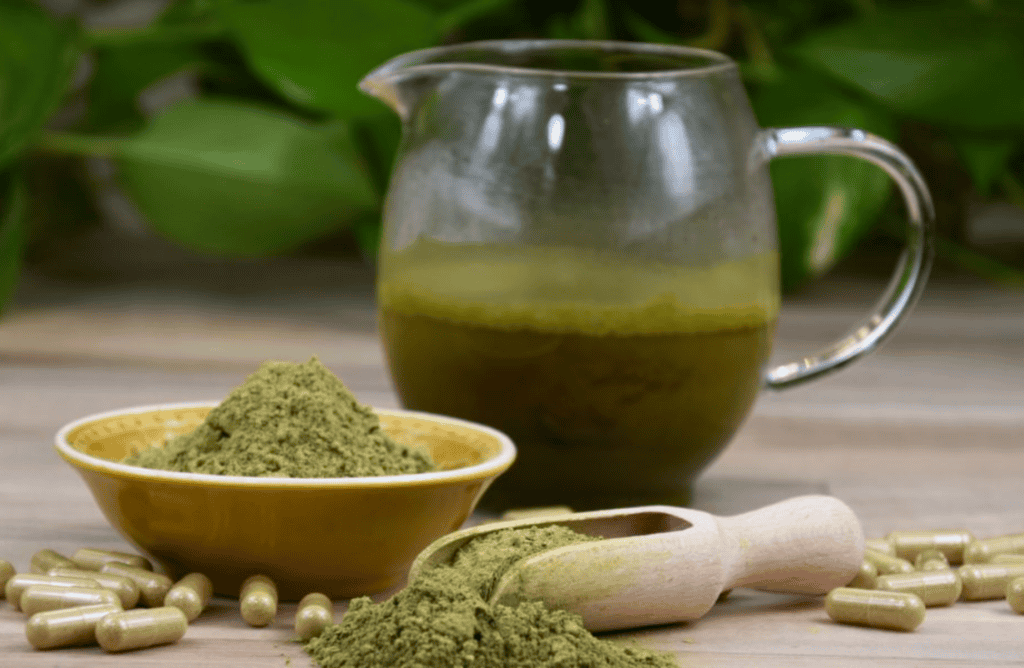
Kratom, or Mitragyna speciosa, is a tropical tree native to Southeast Asia and is part of the coffee family. For centuries, people in that region have chewed its leaves for energy. What makes kratom tricky is its dual nature. At low doses, it acts as a stimulant, making you feel more energetic. At higher doses, its effects become sedative and opioid-like, which is why some people turn to it for pain relief or to self-manage opioid withdrawal. A kratom dose of 5g of powder or more is a high dose with the risk of toxicity becoming more likely in doses exceeding 8g.

In the United States, kratom is largely unregulated. The FDA has voiced serious concerns about its safety, pointing to risks of contamination and a clear potential for dependence. While it might seem like a natural alternative, it interacts with the brain’s opioid receptors, creating a significant risk for addiction. Understanding this is the first step toward getting the right kind of help for a substance use disorder involving kratom.

Kratom Withdrawal Symptoms and Timeline

When you stop using kratom after a period of dependence, your body has to readjust. This process, known as withdrawal, can be incredibly challenging both physically and emotionally. Common physical withdrawal symptoms include muscle aches, nausea, sweating, and restlessness. Psychologically, you might experience intense anxiety, irritability, depression, and powerful cravings. It’s a difficult journey, but you don’t have to go through it alone.

The detox process involves clearing the substance from your body. This can be done by gradually tapering your dose or stopping altogether, but it’s safest and most comfortable under medical supervision. While MPower Wellness does not offer detox services, our team can help you create a plan for transitioning into one of our outpatient programs once your detox is complete.

Phase Time After Last Dose Common Symptoms
Early Withdrawal Timeframe: 12-24 hours Symptoms: Anxiety, muscle aches, irritability, restlessness.
Peak Symptoms Timeframe: 1-3 days Symptoms: Intensified anxiety, insomnia, nausea, sweating, strong cravings.
Subsides Timeframe: 3-7 days Symptoms: Physical symptoms begin to fade, leaving lingering fatigue and mood swings.

Should I Detox from Kratom at Home?

The thought of going through kratom detox at home might seem appealing, but it comes with serious risks. Unsupervised withdrawal can lead to severe discomfort, dehydration from vomiting or diarrhea, and an incredibly high potential for relapse. The cravings can become so overwhelming that returning to use feels like the only option.

We strongly advise against trying to detox from kratom at home. Consulting with a medical professional is the safest way to create a detox plan that manages your symptoms and keeps you comfortable. This approach not only protects your health but also sets a stronger foundation for long-term recovery, which is often best supported by comparing options like inpatient vs. outpatient rehab to find the right fit for you.

Request a Call

Struggling with addiction or mental health? You don’t have to face it alone—request a confidential call today.

Request a confidential call from a member of our team. We are here to guide you through the admissions process, explain treatment options and costs, and help you understand what to expect. thats for request a call

"*" indicates required fields

This field is for validation purposes and should be left unchanged.

Treatment for Kratom Addiction

Finding freedom from kratom addiction is about more than just stopping use; it’s about healing the whole person. At MPower Wellness, we offer structured outpatient programs designed to fit into your life while providing the support you need. Our partial hospitalization program (PHP) and intensive outpatient program (IOP) use evidence-based therapies to help you understand the root causes of addiction and build healthy coping skills.

Two of the core therapies we use are cognitive behavioral therapy (CBT) and dialectical behavior therapy (DBT). CBT helps you identify and change the negative thought patterns and behaviors linked to kratom use, while DBT focuses on emotional regulation and distress tolerance. Many people who struggle with substance use also face challenges with anxiety or depression. Our expertise in dual diagnosis ensures we treat co-occurring mental health conditions at the same time, giving you the best chance for a lasting recovery. Exploring our addiction treatment programs can give you a clearer idea of how we tailor our care to your unique needs.

Is Kratom Treatment Covered by Insurance?

Yes, in most cases, kratom treatment is covered by insurance. Because kratom addiction is classified as a substance use disorder (SUD), it falls under the umbrella of behavioral health services that most major insurance plans cover.

The specifics of your coverage will depend on your individual plan and insurance provider. It can feel overwhelming to navigate benefits and policies on your own. We encourage you to verify your insurance with us; our team is here to help you understand your coverage and minimize any out-of-pocket costs, so you can focus entirely on your recovery.

MOST INSURANCE ACCEPTED

Up to 100% of the costs covered by insurance. At MPower Wellness, we accept most insurance plans. Verify your insurance to get information about your coverage.

Medications for Kratom Withdrawal

Medication-assisted treatment (MAT) can be a crucial part of managing kratom withdrawal safely and comfortably. Because kratom withdrawal so closely resembles opioid withdrawal, certain medications have proven very effective. The primary medication used is buprenorphine, a key component in Suboxone (which combines buprenorphine and naloxone). buprenorphine is a partial opioid agonist, which means it activates the same receptors in the brain as kratom but to a much lesser degree. This action helps ease withdrawal symptoms and reduce cravings without producing a “high.”

In addition to buprenorphine, other comfort medications may be used to target specific symptoms like nausea, anxiety, or insomnia. The goal of MAT is to stabilize you physically so you can fully engage in the therapeutic work of recovery. It’s one part of a comprehensive approach that includes a variety of evidence-based therapies to support your long-term healing.

We’re here to walk with you through your options & answer every question.

Frequently Asked Questions

The safest and most effective way to quit kratom is with professional medical and therapeutic support. Quitting “cold turkey” at home can lead to severe withdrawal symptoms that make it very difficult to succeed. A structured approach is much more effective for long-term health.

This path usually starts with a medically supervised detox to manage the physical symptoms of withdrawal safely and comfortably. Following detox, engaging in a treatment program helps you build coping skills and address the root causes of the addiction, creating a strong foundation for lasting recovery.

Kratom withdrawal is the collection of uncomfortable physical and psychological symptoms that occur when a person who is physically dependent on the substance stops using it. It happens because your brain and body have adapted to kratom’s presence and must readjust to functioning without it.

Common symptoms often feel like a severe flu combined with intense anxiety, and can include muscle aches, restlessness, irritability, nausea, and powerful cravings. Because kratom affects the brain’s opioid receptors, the withdrawal effects are very similar to opioid withdrawal.

Yes, absolutely. While the experience can be very challenging, the acute physical effects of kratom withdrawal are temporary. Your body is resilient and will begin to heal and rebalance itself over time once you stop using the substance.

Most physical symptoms start to fade within a week or so. Some psychological symptoms, like anxiety or mood swings, may last longer, but they can be managed effectively with professional support and therapy. With treatment and time, you can feel well again.

The side effects of using kratom can range from mild to severe, depending on the dose, frequency, and duration of use. Short-term effects often include nausea, constipation, drowsiness, and a rapid heartbeat.

With long-term or high-dose use, the risks and negative effects become more serious. These can include:

  1. Significant physical dependence
  2. Potential for liver damage
  3. Changes in mood, such as agitation
  4. Risk of seizures

Ultimately, the most significant side effect is the development of addiction, which can negatively impact every aspect of a person’s life.

No, they are not the same, though they are closely related. It’s a common point of confusion. Physical dependence means your body has adapted to a substance and you will experience withdrawal symptoms if you stop using it. A person can be dependent on a substance without having an addiction.

Addiction, clinically known as a substance use disorder, is a behavioral condition. It includes physical dependence but is also defined by compulsive use of a substance despite negative consequences, intense cravings, and an inability to control use.

Find Kratom Addiction Treatment in Philadelphia, PA

The most important thing to know is that recovery from kratom addiction is entirely possible. The road isn’t always easy, but with professional treatment and a solid support system, the long-term outlook is hopeful. Healing isn’t just about detoxing; it’s about creating a life where you feel whole and empowered without relying on a substance. This is where aftercare and relapse prevention become so important.

If you’re tired of feeling trapped by kratom and ready to reclaim your life with kratom addiction treatment, we are here to help. The journey to recovery is built on hope, and it starts with a simple, courageous step. Please call us at (484) 517-3005 to speak with someone who understands what you’re going through. At MPower Wellness of Exton, we are dedicated to providing the compassionate, evidence-based care you deserve. You can also contact us online for a confidential assessment. Taking this first step is an act of hope, and we are ready to meet you there.

To learn more, give us a call, fill out our free insurance form, or send us an email—whatever’s easiest for you. We’re here to answer your questions and help you take the next step.

Medical Reviewer

Dr. Singh

Dr. Deepraj Singh is a board-certified psychiatrist. She graduated from Albany Medical College and completed her residency at Drexel University. Due to her passion for learning as well as teaching, she joined the Drexel University faculty to teach resident physicians and medical students. She started out her career in emergency psychiatry, but has expanded into working in outpatient, day program, inpatient and targeted case management programs. She is also certified in ECT and TMS. She performed ECT for persons with severe depression, anxiety, and bipolar disorders. She has always been interested in ways to improve care for her patients. This has led her to pursuing leadership roles such as medical directorships at various outpatient programs and inpatient facilities. These opportunities have allowed her to make changes at an organization level as well as community level. She strives to provide a comfortable atmosphere and a thorough evaluation. She believes in the holistic approach to care, aspires to integrate the biopsychosocial aspects as well physical health, and nutrition into her evaluation and treatment of her patients.

Share

Are you struggling?

Reach out today for a confidential conversation with a treatment specialist. We’re here to listen, answer your questions, and offer real support.

Check Insurance

Check if your insurance will cover the cost of treatment.

"*" indicates required fields

MM slash DD slash YYYY

REQUEST A CONFIDENTIAL CALL

Request a call and an Mpower Wellness team member will be in touch.

"*" indicates required fields