



Home | Substances | MDMA addiction
MDMA Addiction Rehab
At MPower Wellness, our MDMA addiction treatment programs in Pennsylvania provide the structure, guidance, and compassionate care you need to begin recovery. Using evidence-based therapies and personalized treatment plans, we help individuals understand the root causes of their substance use and rebuild balance in their lives. With the right support, you or your loved one can break free from MDMA addiction and move forward with hope, strength, and lasting recovery.
Table of Contents
What Is MDMA (Ecstasy)?
You may know MDMA by its street names—ecstasy or molly. It’s a synthetic, lab-made drug that alters how you think, feel, and connect with others. According to the National Institute on Drug Abuse (NIDA), MDMA acts as both a stimulant and a mild psychedelic, which can create feelings of euphoria, energy, and sensory distortion. Users often report feeling more social, empathetic, or alert, but these effects come with serious risks.
MDMA disrupts the balance of key brain chemicals—serotonin, dopamine, and norepinephrine—which play vital roles in mood regulation, motivation, and emotional stability. Over time, this imbalance can lead to tolerance, emotional exhaustion, and even substance use disorder.
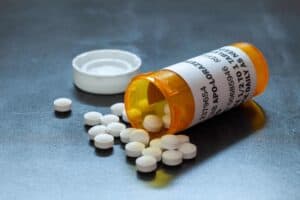
Another danger is that ecstasy is often sold in pill or powder form mixed with other substances such as cocaine, methamphetamine, or alcohol. These combinations greatly increase the risk of overdose and long-term physical or mental health problems. Although researchers are exploring MDMA’s potential therapeutic use in controlled clinical settings, recreational use outside of these environments can cause serious harm.
If you or a loved one has been using MDMA and notice changes in your health, behavior, or relationships, it may be time to seek professional help. At MPower Wellness, we offer evidence-based MDMA addiction treatment designed to help you safely detox, rebuild stability, and begin your recovery with confidence and support.
Symptoms and Health Risks of MDMA Addiction
Research from the National Institute on Drug Abuse shows that MDMA use can cause both immediate and long-term harm to your health.
When you take ecstasy, you may experience:
- Dangerous increases in body temperature and dehydration
- Higher heart rate and blood pressure
- Panic attacks, faintness, or even seizures
- Nausea, jaw clenching, and appetite changes
- Sleep problems and restlessness
- Risk of overdose when pills are mixed with other drugs
With continued use, MDMA addiction may lead to:
- Depression, anxiety, or aggression
- Memory problems and poor focus
- Disturbed sleep and impulsive behavior
- Cognitive decline over time
- Liver, kidney, or heart damage in heavy users
- Ongoing withdrawal symptoms such as fatigue and irritability
If you or a loved one notices these health effects, know that recovery is possible. At MPower Wellness, you’ll find evidence-based treatment that helps you move beyond MDMA and begin the healing process.
Request a Call
Struggling with addiction or mental health? You don’t have to face it alone—request a confidential call today.
Request a confidential call from a member of our team. We are here to guide you through the admissions process, explain treatment options and costs, and help you understand what to expect.
"*" indicates required fields
Risks of Long-Term MDMA Use
When you begin relying on MDMA to cope or escape, it can quickly lead to a substance use disorder. What may start as occasional use often turns into dependency, as you chase the same euphoric effects you once felt. Instead of joy, many people experience intense cravings, emotional lows, and physical exhaustion—a clear sign of ecstasy addiction.
With long-term MDMA use, your brain and body start to feel the consequences. You might notice changes in mood, poor sleep, and trouble focusing, symptoms that can affect your relationships, work, and overall well-being. Ecstasy’s effects can linger far beyond the high, leaving lasting emotional and psychological strain.
A major hidden danger is that ecstasy pills are often mixed with other substances such as heroin, methamphetamine, or cocaine, dramatically increasing the risk of overdose and long-term harm.
While some individuals may benefit from medication to ease withdrawal symptoms or address co-occurring mental health issues, the most effective path forward is professional substance abuse treatment that focuses on healing the mind, body, and spirit together.
At MPower Wellness, we understand how deeply MDMA use can impact every part of your life. Our ecstasy addiction treatment programs are designed to help you rebuild your strength, restore balance, and move toward lasting recovery with confidence and compassion.
MDMA Withdrawal from Ecstasy Addiction
When you stop using MDMA, your brain struggles to restore balance in its neurotransmitters. Research published in Basic and Clinical Neuroscience explains that MDMA disrupts serotonin, dopamine, and glutamate systems, which can damage your neurons and interfere with your memory and mood regulation.
These changes make withdrawal difficult, both physically and emotionally.
If you’re coming off ecstasy, you may notice:
- Intense fatigue and lack of energy
- Depression, irritability, or sudden mood swings
- Problems with sleep, including insomnia or vivid, unsettling dreams
- Anxiety or panic attacks
- Difficulty concentrating and memory issues
- Ongoing cravings that make relapse more likely
These symptoms can linger for weeks or even months, since MDMA’s impact on your brain may last long after the drug is gone from your system. Without support, withdrawal can feel overwhelming and may increase your risk of returning to use.
At MPower Wellness, we help you safely navigate withdrawal with evidence-based care and compassionate support. You don’t have to go through the process alone; recovery is possible, and treatment can help you regain stability and hope.
MOST INSURANCE ACCEPTED
Up to 100% of the costs covered by insurance. At MPower Wellness, we accept most insurance plans. Verify your insurance to get information about your coverage.


MDMA Rehab Programs at MPower Wellness
At MPower Wellness, we develop a personalized treatment plan that aligns with your unique needs, lifestyle, and recovery goals. Our MDMA rehab programs are designed to support both your physical well-being and emotional healing, helping you rebuild confidence and move forward with lasting stability.
Medical Detox
Detox is often the first step in overcoming ecstasy addiction. During this stage, our experienced medical team provides 24/7 monitoring and compassionate care to help you manage withdrawal symptoms such as cravings, fatigue, anxiety, and disrupted sleep. Professional supervision not only reduces the risk of complications but also prepares your body and mind for the next phase of recovery.
Inpatient Rehab Program
During inpatient treatment, you’ll live in a supportive environment surrounded by professionals and peers who understand your journey. With 24/7 care, daily therapy, and wellness activities, this level of treatment helps you step away from triggers, rebuild stability, and focus entirely on recovery.
Partial Hospitalization & Outpatient Programs
For those who need flexibility, partial hospitalization (PHP), intensive outpatient treatment (IOP), and standard outpatient programs offer the same high-quality care within a more adaptable schedule. You’ll take part in individual therapy, group counseling, and family programs that strengthen coping skills, improve communication, and reduce the risk of relapse, all while maintaining your work, school, or family responsibilities.
Sober Living & Aftercare
Recovery doesn’t end when treatment does. That’s why we connect you with sober living homes and ongoing aftercare resources. These services help you stay accountable and create a strong foundation for long-term sobriety.
Therapies That Support MDMA Addiction Treatment
Your recovery journey involves rebuilding your health and well-being. Our MDMA addiction treatment programs combine evidence-based therapies that target both the short-term withdrawal side effects and the long-term health effects of ecstasy addiction.
Cognitive Behavioral Therapy (CBT)
You’ll work on thought patterns that drive drug abuse and learn practical strategies to prevent relapse. Studies suggest MDMA impacts at least three neurotransmitters, which is why CBT is so effective for treating the underlying issues tied to cravings and tolerance.
Group Counseling and Support Groups
Sharing your story with others who are also seeking treatment helps you see you’re not alone. Group therapy provides strength and encouragement as you move through the recovery process.
Family Therapy Program
Involving loved ones in the recovery process helps rebuild trust, strengthen communication, and create a supportive home environment. Our family therapy program teaches healthy ways to navigate challenges together; building understanding, accountability, and lasting connections that support long-term recovery.
Talk Therapy
One-on-one sessions give you space to explore trauma, depression, anxiety, and other mental disorders that may fuel ecstasy addiction treatment needs.
By combining therapies like CBT and family involvement, you address the underlying issues of ecstasy treatment and create lasting change.
At MPower Wellness, you’ll have access to tailored treatment options that meet you where you are. Whether through outpatient treatment, group therapy, or intensive support, our goal is to help you find healing and long-term sobriety.
Why Choose MPower Wellness?
At our addiction and mental health treatment center, you’ll find a team that genuinely understands and cares about what you’re going through. Our programs are designed specifically for MDMA addiction treatment and other substance abuse concerns, giving you care that fits your unique needs.
If you’re also struggling with co-occurring mental disorders or underlying issues, we’ll help you work through them so nothing stands in the way of your healing. You’ll have access to evidence-based therapies that strengthen your coping skills and support your journey toward long-term sobriety. Most importantly, you’ll never walk this path alone; our compassionate team will guide you through every step of the recovery process, making sure you feel supported and empowered to reclaim your life.
We’re here to walk with you through your options & answer every question.
Key Takeaways
- MPower Wellness offers comprehensive, evidence-based treatment programs tailored to individuals struggling with MDMA and ecstasy addiction.
- The facility provides a range of care options, including detox, inpatient, and outpatient services, to support patients through every stage of recovery.
- Individuals seeking help can contact MPower Wellness at (484) 517-3005 to begin their personalized journey toward long-term sobriety and healing.
FAQs
What Makes Ecstasy Addiction Treatment Different From Treatment for Other Substances?
Ecstasy addiction treatment focuses on the unique ways MDMA affects your brain and body. Unlike some other addictive drugs, ecstasy alters at least three neurotransmitters, which can cause mood problems and long-term health effects. That’s why it’s important to seek professional care that combines therapy and relapse prevention planning.
How Does Ecstasy Treatment Work at a Professional Rehab Center?
Ecstasy treatment often starts with detox to manage withdrawal symptoms, followed by therapies like CBT, group counseling, and family programs. These treatment options give you the tools to heal underlying issues and prevent relapse. At MPower Wellness, your plan is always personalized to your recovery needs.
What Should I Do If I Suspect an Ecstasy Overdose in Someone I Care About?
An ecstasy overdose can be life-threatening, especially when pills are mixed with other drugs like alcohol or cocaine. If you see warning signs such as high body temperature, seizures, or extreme panic attacks, call emergency services immediately. Once stabilized, seeking treatment at a specialized rehab center can help reduce future risks.
Can Outpatient Treatment Help If I Still Need to Work or Care for Family?
Outpatient treatment provides flexibility while still giving you access to individual therapy, group therapy, and support groups. You’ll receive structured care during the day but return home at night, making it easier to balance recovery with work or family responsibilities.
How Can I Support a Loved One Who Is Struggling With Ecstasy Use and Other Drugs?
When a loved one is facing ecstasy use or mixing MDMA with other drugs, the best step is encouraging them to seek professional treatment. Many people also struggle with co-occurring mental disorders, which makes recovery more complex. You can help by joining family therapy sessions and reminding them that recovery is possible with the right care.
Can an MDMA abuse treatment center help someone who refuses rehab?
Yes. An mdma abuse treatment center can provide guidance on motivational strategies, family interventions, and support resources to encourage someone toward recovery, even if they initially resist formal rehab. Specialists can also help identify the right time and type of treatment to improve chances of long‑term success.
What support services do MDMA abuse treatment center programs offer beyond therapy?
Many mdma abuse treatment center programs include support services such as crisis hotlines, peer support groups, aftercare planning, and referrals to community resources. These services are designed to help individuals maintain recovery and prevent relapse once primary treatment ends.
What is the role of detox in mdma drug addiction rehab?
Detox in mdma drug addiction rehab safely manages withdrawal and physical discomfort under medical supervision. While MDMA isn’t always associated with intense physical withdrawal, detox helps stabilize individuals so they can fully engage in therapy and counseling.
Is residential mdma drug addiction rehab better than outpatient care?
Residential mdma drug addiction rehab provides a controlled, structured environment that removes everyday triggers, which can be especially helpful for severe addiction. Outpatient programs can work well for those with milder MDMA misuse or strong support systems. The right option depends on severity, personal needs, and treatment goals.
Are there specialized mdma abuse treatment center programs for youth or adolescents?
Yes. Some mdma abuse treatment center programs specialize in treating adolescents and young adults, offering age‑appropriate therapy, family involvement, and educational support to address the unique needs of younger individuals struggling with MDMA misuse.
How long does treatment usually last at an mdma abuse treatment center?
Treatment at an mdma abuse treatment center varies. Programs may range from short‑term outpatient therapy lasting several weeks to longer residential treatment lasting 30 days or more, depending on the severity of MDMA misuse and individual needs.
What types of therapy are offered in mdma drug addiction rehab?
In mdma drug addiction rehab, individuals typically receive a combination of cognitive-behavioral therapy (CBT), group counseling, motivational interviewing, and family therapy. These therapies address both the psychological effects of MDMA and the underlying factors contributing to substance use.
How do medical professionals monitor recovery in mdma drug addiction rehab?
Medical staff in mdma drug addiction rehab monitor physical health, mental health, and progress in therapy. They may track vital signs, evaluate emotional well-being, and adjust treatment plans as needed to ensure safe and effective recovery.
Can mdma drug addiction rehab prevent relapse after detox?
Yes. mdma drug addiction rehab programs combine detox with ongoing therapy, coping strategies, and relapse prevention planning. This structured approach significantly reduces the likelihood of returning to MDMA use after leaving rehab.
Sources
County of Philadelphia, Department of Public Health, Substance Abuse Prevention and Control. (2017, July 21). DSM-5 substance use diagnoses [Clinical form].
Mustafa, N. S., Bakar, N. H. A., Mohamad, N., Adnan, L. H. M., Fauzi, N. F. A. M., Thoarlim, A., Omar, S. H. S., Hamzah, M. S., Yusoff, Z., Jufri, M., & Ahmad, R. (2020). MDMA and the Brain: A Short Review on the Role of Neurotransmitters in Neurotoxicity. Basic and clinical neuroscience, 11(4), 381–388.
National Institute on Drug Abuse. (2017, September). MDMA (Ecstasy) abuse. National Institutes of Health, U.S. Department of Health and Human Services.
National Institute on Drug Abuse. (2024, April). MDMA (Ecstasy/Molly). National Institutes of Health, U.S. Department of Health and Human Services.
Take the First Step Today and Contact MPower Wellness for Ectasy Addiction Treatment
Facing ecstasy or MDMA addiction can feel overwhelming, but you are not alone. Every recovery journey is unique, and your path to healing doesn’t have to mirror anyone else’s. What matters most is taking the first step toward lasting change.
At MPower Wellness, our team is dedicated to helping you rebuild your life. From your first day in detox to the completion of aftercare, we provide compassionate guidance, evidence-based care, and the tools you need to support long-term recovery. Whether you benefit from the structure of inpatient rehab, the flexibility of outpatient treatment, or continued support through therapy and sober living, we create a personalized plan that works for you.
You don’t have to let MDMA or ecstasy dictate your future.
With the right addiction treatment, you can regain confidence, prevent relapse, and experience the freedom of long-term sobriety. Recovery is possible, and it starts with the decision to seek help.
If you or a loved one are ready to take that first step, contact us at (484) 517-3005 or verify your insurance online. MPower Wellness is here to walk alongside you, providing professional care and unwavering support every step of the way.
Your recovery journey begins with one decision—make it today.
To learn more, give us a call, fill out our free insurance form, or send us an email—whatever’s easiest for you. We’re here to answer your questions and help you take the next step.

Tom DeVitis, MA, LPC, CAADC
Executive Director
Tom DeVitis is a dedicated behavioral health leader and clinical expert with over a decade of experience in the field of substance abuse treatment. As the Executive Director of MPower Wellness, Tom combines his clinical background as a Licensed Professional Counselor (LPC) and Certified Advanced Alcohol and Drug Counselor (CAADC) with a passion for educational outreach and advocacy.

Dr. Deepraj Singh
Medical Director
Dr. Deepraj Singh is a board-certified psychiatrist and the Medical Director at MPower Wellness. With a career spanning emergency psychiatry to outpatient and inpatient care, she brings a wealth of clinical expertise and a passion for medical education to her work. Dr. Singh previously served on the faculty at Drexel University, where she dedicated herself to teaching resident physicians and medical students.
Last updated: April 2, 2026
Share
Are you struggling?
Reach out today for a confidential conversation with a treatment specialist. We’re here to listen, answer your questions, and offer real support.
Treatment Programs




Other Treatment Modalities



Check Insurance
Check if your insurance will cover the cost of treatment.
"*" indicates required fields
- Your information is secure & protected by HIPAA.