Home | Substances | Oxycontin addiction
OxyContin Addiction Treatment in Philadelphia, PA
Our OxyContin addiction treatment in Philadelphia, PA is designed to support individuals at every stage of opioid use disorder, from early dependence to long-term recovery. Treatment focuses on safe withdrawal, managing cravings, and addressing the physical and psychological effects of prolonged opioid use through evidence-based care. Clinical services may include medical oversight, therapy, and access to medications used in opioid use disorder (OUD) treatment to reduce withdrawal symptoms and stabilize recovery.
Whether opioid use began with a legitimate prescription for pain or developed through misuse over time, addiction can take hold quickly and affect daily functioning, mental health, and relationships. At MPower Wellness, care is individualized to reflect each personโs history, needs, and treatment goals. Our team works closely with individuals to build a treatment plan that supports recovery, promotes stability, and helps restore quality of life.
Understanding Opioid Use Disorder (OUD) and Opioid Addiction
Opioid use disorder (OUD) is a chronic but treatable medical condition characterized by an inability to stop taking opioids despite harmful consequences. It affects both the brain and behavior, making professional treatment services essential.
OUD may involve prescription drugs like OxyContin or illicit substances such as heroin. Without proper treatment, the risk of overdose and death increases significantly.
At MPower Wellness, we approach opioid addiction as both a medical and behavioral condition. Our treatment programs combine medications, therapies, and support to address every aspect of the recovery process from detoxification and stabilization, to long-term relapse prevention.
What Is OxyContin Addiction?
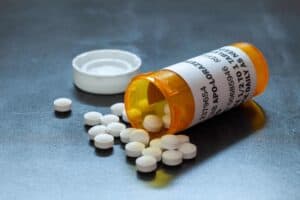
OxyContin, a brand name for oxycodone, is a prescription opioid used to treat chronic or severe pain related to injury, surgery, or conditions like cancer. While effective for short-term pain relief, it carries a high potential for dependence and addiction, especially when taken in higher doses or for extended periods.
When someone develops a tolerance to OxyContin, they often need more of the medicine to achieve the same effect, leading to misuse, withdrawal symptoms, and eventually opioid addiction. According to the National Institute on Drug Abuse, OxyContin is among the most frequently misused prescription opioids in the United States.
If you or a loved one struggles with OxyContin addiction, professional addiction treatment is critical to prevent complications such as opioid overdose, mental health decline, and disruptions to daily life.
How OxyContin Substance Abuse Develops
OxyContin addiction often begins with legitimate medical use. A patient may be prescribed OxyContin for pain management after surgery or injury. Over time, tolerance builds, and the body requires higher doses to achieve the same level of pain relief.
As dependence deepens, stopping the medication suddenly can trigger severe withdrawal symptoms, including restlessness, insomnia, nausea, and muscle aches. Many individuals turn to misuse opioids or seek out other drugs like heroin to avoid withdrawal, which in turn ends up worsening their substance use disorder.
Genetic, psychological, and environmental factors also play a role. Those with a family history of addiction or chronic stress are at higher risk. Understanding these factors helps create a comprehensive, personalized treatment plan that supports lasting recovery.
Request a Call
Struggling with addiction or mental health? You donโt have to face it aloneโrequest a confidential call today.
"*" indicates required fields
Signs and Symptoms of OxyContin Addiction
Recognizing the signs of OxyContin addiction early can help save lives.
Common symptoms include:
- Taking more OxyContin than prescribed
- Cravings and preoccupation with the next dose
- Changes in mood, sleep, or appetite
- Doctor shopping for multiple prescriptions
- Withdrawal symptoms when not taking the drug
- Neglecting responsibilities at work, school, or home
- Combining OxyContin with alcohol or other drugs
If you recognize these signs in yourself or a loved one, seeking professional addiction treatment is the first step toward recovery.

Substance Use Disorder Treatment Services
Here at MPower Wellness, our OxyContin addiction treatment program options in Philadelphia offer a continuum of care tailored to each individualโs treatment plan and recovery needs. We combine medical oversight, counseling, and mental health services to ensure effective, sustainable healing.
Medical Detox and Withdrawal Management to Treat Opioid Addiction
Supervised medical detox is often the first step toward recovery. Our clinical team helps patients safely manage withdrawal symptoms such as nausea, anxiety, and muscle pain. Medications like buprenorphine, methadone, and naltrexone are used to treat opioid withdrawal and reduce cravings.
During detox, patients are closely monitored to prevent complications such as dehydration, depression, or opioid overdose.
Medication-Assisted Treatment (MAT)
Medication Management combines FDA-approved medications with counseling and behavioral therapies to address the physical and emotional aspects of addiction.
Common medications used to treat OxyContin addiction include:
- Buprenorphine: Reduces withdrawal symptoms and opioid cravings.
- Methadone: Stabilizes brain chemistry and prevents relapse.
- Naltrexone: Blocks the euphoric effects of opioids and discourages drug use.
- Naloxone: Reverses opioid overdose in emergencies.
These medications are used under careful medical supervision as part of a personalized disorder treatment plan.
Individual and Group Therapy
Our therapy services help clients understand the root causes of substance abuse, develop coping strategies, and strengthen resilience. Through evidence-based approaches such as Cognitive Behavioral Therapy (CBT) and Motivational Interviewing, individuals learn how to manage triggers and sustain long-term recovery.
Group therapy provides a sense of community and shared healing, while family therapy helps loved ones rebuild trust and communication.
Dual Diagnosis and Mental Health Care
Many people with opioid use disorder also experience mental health conditions like depression, anxiety, or trauma. MPower Wellness provides dual diagnosis treatment, ensuring that both mental and substance-related disorders are addressed simultaneously.
Aftercare and Recovery Support
Recovery doesnโt end after detox or rehab. We connect clients to community resources, ongoing therapy, and peer support networks that reinforce sobriety. Our team helps individuals and families maintain accountability, structure, and stability as they transition back into daily life.

Why Choose MPower Wellness for OxyContin Addiction Treatment
At MPower Wellness, we understand that recovery from OxyContin addiction and other prescribed narcotics such as oxycodone or hydrocodone requires more than detox alone; it demands medical expertise, emotional support, and the involvement of caring family members.
Our program provides effective treatment for individuals struggling with drug addiction and the physical or medical problems that often accompany opioid misuse. We help you or your loved one build a foundation for lasting recovery in a compassionate, structured setting.
Evidence-Based and Compassionate Care
Our addiction treatment approach combines medical expertise with compassion, addressing both the biological and psychological aspects of opioid addiction.
We rely on evidence-based therapies such as medication-assisted treatment (MAT), cognitive behavioral therapy (CBT), and trauma-informed counseling to ensure each person receives the most effective treatment for their unique medical condition and recovery goals.
Integrated Treatment for Mind and Body
We treat the whole person, not just the addiction, by incorporating mental health care, nutritional guidance, and mind-body support into every plan.
This approach helps individuals restore balance to both mind and body, reducing the effects of stress, withdrawal, and other medical problems that may develop during recovery from oxycodone or other narcotics.
Licensed and Experienced Professionals
Our team includes licensed doctors, therapists, and clinicians with advanced training in opioid use disorder (OUD) and drug addiction recovery.
Each professional is skilled in addressing co-occurring medical and emotional conditions, ensuring safe detoxification and sustainable progress in a short time while minimizing health risks associated with opioid dependency.
Personalized Recovery Pathways
Every personโs experience with prescribed opioids such as hydrocodone or OxyContin is different. We develop customized treatment plans that reflect your individual needs, medical condition, and recovery goals.
Whether youโre beginning detox, rebuilding relationships with family members, or transitioning into outpatient care, our programs support every stage of recovery with compassion and structure.
Accessible and Insurance-Friendly
We partner with most major insurance providers to make treatment accessible and affordable. Our admissions team helps verify your insurance coverage and navigate costs, ensuring that financial concerns never delay getting effective treatment for OxyContin or other prescription drug addiction.
MOST INSURANCE ACCEPTED
Up to 100% of the costs covered by insurance. At MPower Wellness, we accept most insurance plans. Verify your insurance to get information about your coverage.
- Opioid Use Disorder is treatable, requiring professional care combining medical detox and Medication-Assisted Treatment to safely manage withdrawal and cravings.
- Recovery necessitates comprehensive care, integrating therapy, such as CBT, and Dual Diagnosis treatment to address underlying mental health conditions.
- Lasting sobriety relies on a personalized approach, including individualized treatment plans, robust aftercare, and ongoing community support for relapse prevention.
Frequently Asked Questions
What Happens When You Stop Taking Oxycodone?
When someone stops taking oxycodone after regular use, the body may react with withdrawal symptoms as it adjusts to the absence of the drug. Common symptoms include anxiety, muscle aches, sweating, nausea, restlessness, and sleep disturbance. The severity and duration depend on dose, length of use, and whether stopping happens gradually or suddenly. Medical support can help reduce discomfort and lower risks during this period.
How Long Does It Take OxyContin to Get Out of Your System?
OxyContin, a long-acting form of oxycodone, can remain detectable in the body for several days after the last dose. In most people, oxycodone is eliminated within about three to four days, though this can vary based on metabolism, dosage, frequency of use, and overall health. Some effects and withdrawal symptoms may last longer than the drug itself remains detectable.
What Is the New Treatment for Opioid Addiction?
Newer approaches to opioid addiction treatment focus on expanding access to medication-assisted treatment, longer-acting formulations of buprenorphine, and more integrated care models that treat mental health and substance use together. These advances aim to improve treatment retention, reduce overdose risk, and support long-term recovery rather than short-term stabilization.
What Is a Common Treatment for Opioid Addiction?
A common treatment for opioid addiction combines medication and therapy. Medications such as buprenorphine or methadone are often used to reduce cravings and withdrawal symptoms, while counseling helps address behavioral patterns and relapse risk. This combined approach is considered standard care for opioid use disorder.
What Is the Best Treatment for OxyContin Addiction?
The most effective approach combines medical detox, medication-assisted treatment (MAT), and therapy. This combination helps manage withdrawal symptoms, reduce cravings, and address the psychological causes of addiction.
Can OxyContin Addiction Be Treated Without Medication?
While some individuals benefit from therapy alone, research from the Substance Abuse and Mental Health Services Administration (SAMHSA) shows that medications like methadone, buprenorphine, and naltrexone significantly improve recovery outcomes for opioid use disorder (OUD).
How Long Does Treatment Take?
Recovery time varies depending on factors like duration of opioid use, overall health, and mental well-being. Many clients engage in treatment for several weeks to several months, followed by ongoing counseling and support.
What Are the Risks of Untreated OxyContin Addiction?
Without professional care, OxyContin addiction can lead to overdose, mental health decline, and life-threatening complications. Long-term opioid abuse affects the heart, lungs, and brain, increasing the risk of death.
How Do I Get Started With Treatment?
Contact MPower Wellness for a confidential consultation. Our team will assess your needs, explain treatment options, and create a personalized recovery process plan that fits your lifestyle and goals.


Get Started With OxyContin Addiction Treatment in Philadelphia, PA Today
If you or someone you care about is struggling with OxyContin use, professional help is available. Our clinical team provides confidential assessments, access to psychiatric care, and individualized treatment planning based on your history, needs, and goals. OxyContin addiction treatment at MPower Wellness is structured to address both physical dependence and the behavioral patterns that sustain opioid use.
Treatment is grounded in evidence-based care and may include medical oversight, therapy, and access to medications used in opioid use disorder treatment to manage withdrawal symptoms and reduce cravings. Care plans are adjusted as progress is made, with a focus on safety, stability, and long-term recovery.
Recovery is a process, and taking the first step can make a meaningful difference. If youโre ready to explore your options, our team is available to help you understand the next steps and determine the appropriate level of care.
Contact MPower Wellness today to speak with a member of our team and learn more about OxyContin addiction treatment.
Tom DeVitis, MA, LPC, CAADC
Executive Director
Dr. Deepraj Singh
Medical Director
Dr. Deepraj Singh is a board-certified psychiatrist and the Medical Director at MPower Wellness. With a career spanning emergency psychiatry to outpatient and inpatient care, she brings a wealth of clinical expertise and a passion for medical education to her work. Dr. Singh previously served on the faculty at Drexel University, where she dedicated herself to teaching resident physicians and medical students.
Last updated: February 6, 2026
Share
Are you struggling?
Treatment Programs
Check Insurance
Check if your insurance will cover the cost of treatment.
"*" indicates required fields
- Your information is secure & protected by HIPPA.