



Home | Substances | Salvia addiction
Treatment for Salvia Addiction in Pennsylvania
Salvia is often misunderstood. Marketed as a legal or “natural” substance, Salvia divinorum can produce intense and unpredictable psychological effects that leave users disoriented, frightened, or emotionally destabilized. At MPower Wellness, our Salvia addiction treatment programs are designed to address both the substance use itself and the underlying emotional or mental health factors that often drive it. We provide structured, evidence-based care that helps individuals regain stability, clarity, and control, while supporting long-term recovery and well-being.
Table of Contents
What Is Salvia, and Why Does Treatment for Salvia Addiction Matter?
Salvia divinorum is a plant native to southern Mexico and Central America, traditionally used in spiritual rituals. It belongs to the mint family and contains a powerful active ingredient, Salvinorin A, which affects the brain in ways different from those of most hallucinogens.
Unlike substances that act on serotonin receptors, Salvinorin A primarily interacts with kappa opioid receptors in the brain. This mechanism can dramatically alter perception, mood, and consciousness within seconds of use, especially when smoking Salvia.
Because of this rapid onset, Salvia may feel unpredictable and overwhelming, even to users who expect a mild or short-lived experience. At MPower Wellness, we know how overwhelming it can be to tackle the perils of addiction alone, which is why we offer many comprehensive treatment plans designed to support you.
Salvia Use, Abuse, and Salvia Dependence Risk
Salvia is often sold legally in shops or online in many states, leading people, especially young adults, to underestimate its risks. While some individuals experiment once, others return to Salvia repeatedly to chase dissociative or hallucinogenic effects.
Over time, Salvia abuse may develop into patterns of compulsive use, psychological dependence, and increased vulnerability to other substances.
Factors that increase addiction risk include:
- Repeated use to escape stress or emotional pain
- Co-occurring anxiety, depression, or trauma
- Polysubstance use with other drugs or hallucinogens
- Poor emotional regulation or impulse control
Although Salvia remains legal in many states, legality does not equal safety. Salvia addiction is a real and treatable substance use concern.
Request a Call
Struggling with addiction or mental health? You don’t have to face it alone—request a confidential call today.
Request a confidential call from a member of our team. We are here to guide you through the admissions process, explain treatment options and costs, and help you understand what to expect.
"*" indicates required fields
Short-Term and Long-Term Effects of Salvia Abuse
Salvia’s effects often begin within a few minutes and may include:
- Altered visual perception
- Distorted sense of reality or time
- Intense hallucinations
- Uncontrollable laughter or emotional swings
- Slurred speech or impaired coordination
- Panic attacks or paranoia
Some users describe a “bad trip” marked by fear, confusion, or a complete loss of bodily awareness, increasing the risk of accidental injury.
Possible Long-Term Effects and Mental Health Impact
With repeated use, long-term effects of Salvia may include:
- Mood swings and emotional instability
- Increased anxiety or depressive symptoms
- Dissociation or depersonalization
- Memory or concentration difficulties
- Worsening of underlying mental health conditions
- Heightened risk of psychosis in vulnerable individuals
Salvia studies and emerging research suggest that frequent use of Salvia may disrupt normal brain functioning and emotional regulation, especially when combined with other addictive substances.
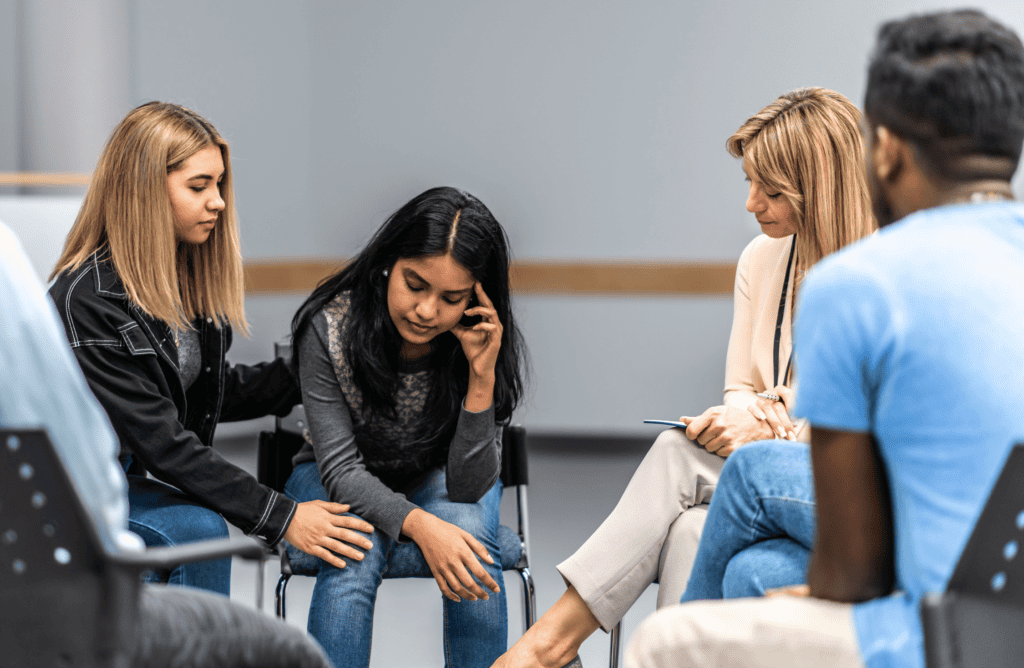
When Salvia Substance Use Treatment Is Necessary
An addiction treatment program, like those offered at MPower Wellness, may become necessary when Salvia use starts to disrupt daily functioning, compromise personal safety, or negatively affect mental health and emotional stability.
Warning signs include:
- Repeated use despite negative consequences
- Strong cravings or urges to use Salvia
- Emotional distress or paranoia after use
- Difficulty stopping on your own
- Using Salvia alongside other drugs
- Changes in mood, perception, or behavior
Early intervention can prevent further harm and reduce the risk of escalating substance use or psychiatric symptoms.
MOST INSURANCE ACCEPTED
Up to 100% of the costs covered by insurance. At MPower Wellness, we accept most insurance plans. Verify your insurance to get information about your coverage.


Salvia Addiction Treatment at MPower Wellness
At MPower Wellness, Salvia addiction treatment is delivered through a comprehensive, individualized model that addresses both substance use and the mental health challenges that often accompany it.
Our programs are designed to meet individuals where they are, offering multiple levels of care and evidence-based support that evolve as recovery progresses.
Comprehensive Assessment and Personalized Treatment Planning
Every Salvia addiction treatment plan begins with a detailed clinical assessment. This process helps our team understand the full scope of each person’s needs and ensures care is tailored rather than one-size-fits-all.
Assessments typically include:
- Patterns of Salvia use and frequency
- Mental health history and current symptoms
- Co-occurring substance use or polysubstance exposure
- Emotional, behavioral, and environmental triggers
- Risk factors such as anxiety, panic attacks, or dissociation
This information allows our team of clinicians to create a personalized treatment plan that supports recovery at every level: psychological, emotional, and behavioral, which might include:
Drug and Alcohol Detox
While Salvia does not always require medical detox in the same way as opioids or alcohol, some individuals may enter treatment with other substances in their system. Drug and alcohol detox provides medically supervised care to ensure safety, manage withdrawal symptoms, and stabilize mental health before beginning therapy-focused treatment.
Partial Hospitalization Program (PHP)
A partial hospitalization program offers full-day clinical treatment with the flexibility to return home in the evenings. PHP is often used as a step down from inpatient care or as a higher level of support for individuals who need structure but not overnight supervision.
Intensive Outpatient Program (IOP)
An intensive outpatient program provides several days of therapy each week while allowing individuals to maintain work, school, or family responsibilities. IOP is a common and effective option for Salvia addiction treatment, especially when combined with mental health counseling and relapse prevention strategies.
Outpatient Treatment Program
Outpatient treatment supports individuals who are stable enough to live independently but still benefit from ongoing therapeutic care. This level of care focuses on maintaining progress, strengthening coping skills, and preventing relapse while integrating recovery into daily life.
Dual Diagnosis Treatment Program
Salvia use frequently overlaps with anxiety, depression, trauma, or other mental health conditions. MPower Wellness specializes in dual diagnosis treatment, addressing both Salvia addiction and co-occurring mental health disorders at the same time.
This integrated approach helps:
- Reduce relapse risk
- Improve emotional regulation
- Stabilize mood and perception
- Address the underlying causes of substance use
Treating both conditions together leads to more sustainable recovery outcomes.
Medication Management
While there is no medication specifically approved for Salvia dependence, medication management may be used to support co-occurring mental health symptoms such as anxiety, depression, panic attacks, or sleep disturbances. Our medical team carefully evaluates each individual to determine whether medications can support emotional stability during recovery.
We’re here to walk with you through your options & answer every question.
Therapeutic Approaches Used in Salvia Addiction Treatment
At MPower Wellness, Salvia addiction treatment combines evidence-based therapies that address the psychological effects of substance use while supporting emotional stability and long-term recovery.
Cognitive Behavioral Therapy (CBT)
Cognitive-behavioral therapy helps individuals recognize how thoughts, emotions, and behaviors are interconnected. In Salvia addiction treatment, CBT is used to identify patterns that lead to use, challenge distorted beliefs about substances, and develop healthier coping strategies that reduce relapse risk.
Dialectical Behavior Therapy (DBT)
Dialectical behavior therapy focuses on emotional regulation, distress tolerance, and impulse control. DBT is especially helpful for individuals who experience intense emotions, anxiety, or mood swings that contribute to Salvia use. These skills support safer decision-making during moments of stress or craving.
Motivational Interviewing
Motivational interviewing helps individuals explore their reasons for change in a supportive, non-judgmental way. This approach strengthens internal motivation, increases engagement in treatment, and supports individuals who may feel uncertain or conflicted about stopping Salvia use.
Trauma Therapy
For many people, substance use is connected to unresolved trauma. Trauma therapy helps individuals process past or ongoing traumatic experiences safely, reducing emotional triggers that may lead to substance use and supporting long-term emotional healing.
Group Therapy
Group therapy provides connection, accountability, and shared understanding. In a supportive group setting, individuals learn from others with similar experiences, practice communication skills, and reduce isolation often associated with addiction and mental health challenges.
Complementary and Mindfulness-Based Wellness Therapies
Complementary therapies such as mindfulness, somatic therapy, art therapy, and yoga therapy help individuals reconnect with their bodies and emotions in grounding, restorative ways. These approaches support nervous system regulation, stress reduction, and overall well-being, enhancing the effectiveness of primary addiction treatment.
Key Takeaways
- MPower Wellness offers specialized, evidence-based treatment programs in Pennsylvania for individuals struggling with Salvia addiction.
- The center provides integrated care that addresses both the substance use and the underlying mental health factors contributing to the addiction.
- Patients receive personalized support through various levels of care, including outpatient services, to help regain stability and achieve long-term recovery.
FAQ: Salvia Addiction Treatment
Your questions matter when deciding whether or not to seek addiction treatment. We want to be sure you have all the information you need to make informed decisions about your treatment plan.
Can Salvia cause addiction even if it is legal in many states?
Yes. Even though Salvia divinorum remains legal in many states, repeated use can lead to Salvia dependence, psychological distress, and increased risk of other substance use. Legal status does not eliminate addiction risk.
How does Salvia affect mental health over time?
Ongoing Salvia use may contribute to anxiety, paranoia, mood instability, and altered perception. For some individuals, these effects can worsen existing mental health conditions or trigger symptoms such as panic attacks or dissociation.
What makes Salvia addiction treatment different from other substance treatment?
Salvia addiction treatment often focuses heavily on psychological effects, emotional regulation, and perception-related symptoms. Treatment plans commonly emphasize therapy, coping strategies, and mental health stabilization rather than medical detox alone.
Is outpatient care effective for Salvia addiction?
Yes. Many individuals respond well to outpatient care, mainly when treatment includes structured therapy, relapse prevention planning, and support for co-occurring mental health concerns.
What should I do if someone I care about is using Salvia repeatedly?
If Salvia use is becoming frequent, risky, or emotionally disruptive, early professional support can help. Reaching out to an addiction treatment provider can offer guidance on assessment, treatment options, and next steps.
Sources
Perron, B. E., Ahmedani, B. K., Vaughn, M. G., Glass, J. E., Abdon, A., & Wu, L. T. (2012). Use of Salvia divinorum in a nationally representative sample. The American journal of drug and alcohol abuse, 38(1), 108–113.
Roth, B. L., Baner, K., Westkaemper, R., Siebert, D., Rice, K. C., Steinberg, S., Ernsberger, P., & Rothman, R. B. (2002). Salvinorin A: a potent naturally occurring nonnitrogenous kappa opioid selective agonist. Proceedings of the National Academy of Sciences of the United States of America, 99(18), 11934–11939.
Wu, L. T., Woody, G. E., Yang, C., Li, J. H., & Blazer, D. G. (2011). Recent national trends in Salvia divinorum use and substance-use disorders among recent and former Salvia divinorum users compared with nonusers. Substance abuse and rehabilitation, 2011(2), 53–68.
Choose MPower Wellness for Salvia Addiction Treatment
MPower Wellness is a leading substance use and mental health treatment center dedicated to compassionate, individualized care. Our programs combine evidence-based addiction treatment with integrated mental health services, offering multiple levels of care, including outpatient support.
Struggling with Salvia addiction doesn’t define who you are. With the right treatment, you can regain clarity, improve your mental health, and build a healthier, more balanced life. Contact us today to learn about Salvia addiction treatment, verify insurance, and take the first step toward recovery and a fresh start.
To learn more, give us a call, fill out our free insurance form, or send us an email—whatever’s easiest for you. We’re here to answer your questions and help you take the next step.

Tom DeVitis, MA, LPC, CAADC
Executive Director
Tom DeVitis is a dedicated behavioral health leader and clinical expert with over a decade of experience in the field of substance abuse treatment. As the Executive Director of MPower Wellness, Tom combines his clinical background as a Licensed Professional Counselor (LPC) and Certified Advanced Alcohol and Drug Counselor (CAADC) with a passion for educational outreach and advocacy.

Dr. Deepraj Singh
Medical Director
Dr. Deepraj Singh is a board-certified psychiatrist and the Medical Director at MPower Wellness. With a career spanning emergency psychiatry to outpatient and inpatient care, she brings a wealth of clinical expertise and a passion for medical education to her work. Dr. Singh previously served on the faculty at Drexel University, where she dedicated herself to teaching resident physicians and medical students.
Last updated: April 2, 2026
Share
Are you struggling?
Reach out today for a confidential conversation with a treatment specialist. We’re here to listen, answer your questions, and offer real support.
Treatment Programs




Other Treatment Modalities



Check Insurance
Check if your insurance will cover the cost of treatment.
"*" indicates required fields
- Your information is secure & protected by HIPAA.