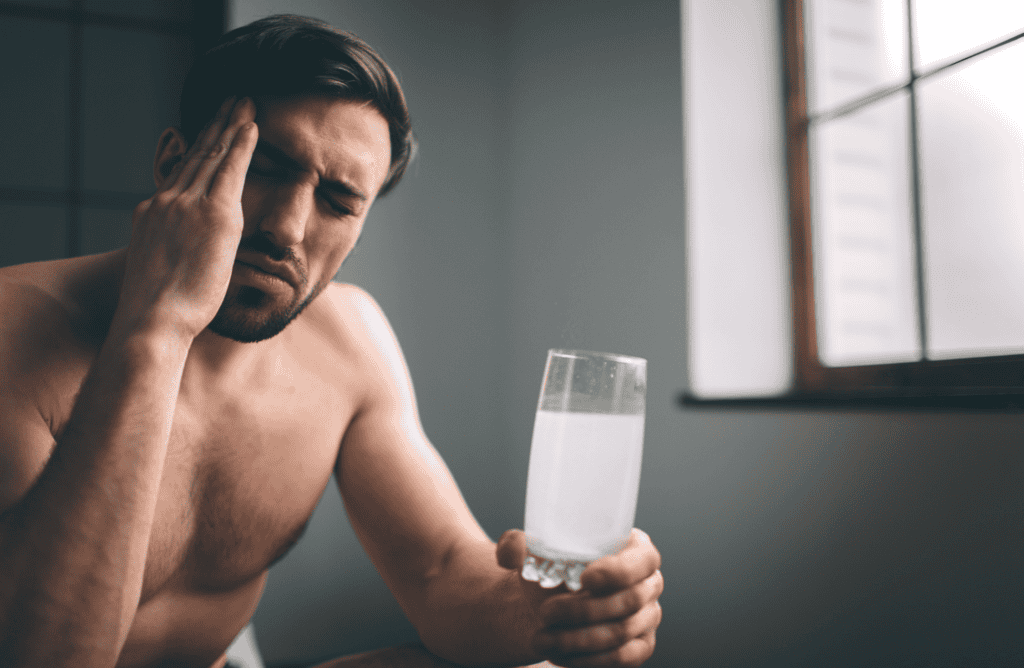
Waking up with a hangover can feel unsettling, especially when the symptoms hit harder than expected. Your body is working to recover from the effects of drinking alcohol, and the process can leave you feeling drained, uncomfortable, or even worried about what is normal. At MPower Wellness, we understand that moments like these can bring up questions about your health, your drinking habits, and what your body is trying to tell you. Learn how to listen to hangover symptoms and when to get help for alcohol addiction.
What Hangover Symptoms Really Signify
Hangovers are incredibly common, but that doesn’t make them any easier when you’re the one waking up feeling awful after a night of drinking too much alcohol. As your body works through a hangover, including balancing blood sugar, clearing the toxic substance called acetaldehyde, and rehydrating, it can leave you feeling physically and mentally drained the next morning. Feeling unwell after drinking alcoholic drinks doesn’t mean anything is “wrong” with you; it simply means your body is trying to recover.
What Are the Most Common Hangover Symptoms?
Most people experience a mix of hangover symptoms, such as:
- Dry mouth and dehydration
- Nausea, vomiting, or an upset stomach
- Headaches or sensitivity to light and sound
- Muscle aches and general body discomfort
- Fatigue or low energy
- Irritability or mood changes
- Trouble concentrating or feeling mentally foggy
These symptoms of a hangover can range from mild to intense, but they typically ease as your body continues to stabilize.
Are Hangovers Dangerous?
Most hangovers aren’t dangerous, just uncomfortable. However, some symptoms can signal something more serious, such as alcohol overdose or early alcohol withdrawal.
Seek immediate medical help for slow breathing, confusion, difficulty staying awake, nonstop vomiting, very low body temperature, or unusually increased blood pressure. If you’re ever unsure, it’s always better to get help than to wait.
What Causes Hangover Symptoms?
Hangover symptoms happen because alcohol disrupts several systems in the body, including hydration, blood sugar, digestion, sleep, and immune function. These shifts create the mix of physical and mental symptoms you feel the next day.
Alcohol Irritates the Stomach
Alcohol inflames the stomach lining and increases acid, which can cause unpleasant symptoms like nausea, vomiting, stomach pain, or general gastrointestinal irritation, especially after drinking too much alcohol or drinking on an empty stomach.
Alcohol Lowers Blood Sugar, Making Hangovers Worse
As the body processes alcohol, blood sugar levels can drop. This leads to shakiness, fatigue, mood changes, and trouble concentrating, which is why hangovers often feel worse as the morning goes on.
Alcohol Causes Dehydration
Alcohol increases urine production, leading to mild dehydration. This can cause headaches, dry mouth, dizziness, and a heavy, sleepy feeling. Without drinking enough water, dehydration intensifies and contributes to throbbing headaches.
Alcohol’s Inflammatory Response and Disturbed Sleep
Alcohol triggers an inflammatory response that can cause body aches, fatigue, swelling, extreme tiredness, and increased sensitivity. These effects are stronger after too much alcohol, making hangover symptoms feel more intense as the body works to rebalance.

Risk Factors for More Severe Hangovers
Some people experience more uncomfortable symptoms after drinking alcohol, even when they do not feel they drank heavily. Bodies process alcohol differently, and several factors can influence how intense or frequent hangovers become. Understanding these risk factors can help you make sense of your experiences and offer yourself more care and awareness when you drink.
How Much Alcohol and How Many Drinks Matter
The amount of alcohol someone consumes plays a major role in how they feel the next day. Drinking wine, especially red wine, or darker colored drinks can increase the chance of stronger hangover symptoms due to the compounds they contain.
Heavy drinking or heavy alcohol consumption, or drinking more than the body can process comfortably, leads to higher blood alcohol content and a greater buildup of toxins. Drinking habits, such as drinking quickly or choosing stronger alcoholic drinks, can also make symptoms worse.
Drinking on an Empty Stomach
When someone drinks alcohol on an empty stomach, the alcohol is absorbed into the bloodstream much faster. This rapid increase in blood alcohol concentration can intensify common symptoms like nausea, vomiting, headache, or dizziness. Eating before or while drinking slows this process and gives the body more time to manage the alcohol being consumed.
Using Other Drugs Along With Alcohol
Combining alcohol with other drugs or medications can make hangover symptoms worse. Certain medications can interact with alcohol and increase drowsiness, nausea, or confusion. Other substances can place additional strain on the body, making it harder to break down alcohol and increasing the chances of severe hangover symptoms.
Family History and Alcohol Abuse
People with a family history of alcohol abuse or alcohol use disorder may experience more severe hangovers or more frequent hangovers. Genetics can influence how the body breaks down alcohol, how sensitive it is to alcohol, which increases inflammation, and how quickly blood alcohol levels rise. These factors can make the body more vulnerable to both uncomfortable symptoms and long-term risks.
Other Factors That Influence Hangover Severity
Several personal factors also play a role in how someone feels after consuming alcohol. Age, hydration level, and immune system reactivity can change how the body responds to drinking.
A person who is tired, stressed, or already experiencing inflammation may notice that hangover symptoms appear more quickly or feel stronger. Paying attention to these patterns can help you understand what your body needs before and after drinking.
Hangover Symptoms Versus Alcohol Withdrawal
Feeling unwell after drinking is common, but not every symptom is a hangover. Hangovers are temporary and usually fade as the day goes on.
Alcohol withdrawal is different; it happens when the body has grown dependent on alcohol and reacts when drinking stops. Understanding the difference can help you know when your body simply needs rest and when it may need medical care.
How to Know If It Is Alcohol Withdrawal
Withdrawal symptoms tend to last longer and feel more intense than a typical hangover. While hangovers improve with rest, hydration, and food, withdrawal often continues or worsens throughout the day.
Common withdrawal symptoms include:
- Morning shaking or trembling
- Sweating
- Anxiety or irritability
- Nausea
- Strong cravings for alcohol
- Restlessness or difficulty sleeping
- A racing heart or feeling on edge
These symptoms are the body’s response to the sudden absence of alcohol after heavy or frequent drinking.
When Alcohol Withdrawal Requires Treatment
Alcohol withdrawal can become dangerous without proper support.
Severe symptoms may include:
- Intense shaking
- Confusion or disorientation
- Vomiting that does not stop
- Very high blood pressure
- Hallucinations
These signs need immediate medical attention, especially for anyone with a history of heavy alcohol use. Reaching out for help to a drug and alcohol detox program is a courageous step, and with the right care, withdrawal can be managed safely so healing can begin.

Remedies for Hangover Symptoms
Hangovers are uncomfortable, but simple and gentle steps can help your body recover. Hydration, nourishment, and rest will not cure a hangover instantly, yet they can ease symptoms and help you feel more stable as your body resets.
Drink Water and Restore Fluids
Dehydration fuels headaches, dry mouth, and fatigue. Drinking plenty of water, along with electrolyte drinks or fruit juice, helps replace lost fluids and gives a mild boost to low blood sugar. Sip slowly throughout the day to support steady recovery.
Eat Bland Foods to Calm Your Stomach
Because alcohol can irritate the stomach, bland foods are often easier to tolerate. Toast, rice, crackers, bananas, and plain oatmeal can help settle nausea without overwhelming your digestive system.
Support Blood Sugar Levels
Low blood sugar can cause shakiness, dizziness, and irritability. Eating carbohydrates or drinking fruit juice can help raise blood sugar gently. Small and gradual meals are often best when your stomach feels sensitive.
Rest to Recover
Alcohol disrupts sleep, so feeling exhausted is normal. Giving yourself time to sleep, nap, or simply lie down can ease both physical and mental symptoms as your body regains energy.
Be Mindful of Coffee
It may sound tempting to drink coffee, but it can worsen dehydration and irritate the stomach. If it makes symptoms feel stronger, choose water, electrolytes, or herbal tea instead.
Use Pain Relievers Carefully
Pain relievers can help with headaches or muscle aches, but some can irritate the stomach or interact poorly if alcohol wears off slowly in your system. Use them as directed and pay attention to how you feel. If symptoms are severe or do not improve, seek medical guidance.
Preventing More Severe Hangovers
Hangovers cannot always be avoided, but a few simple habits can lessen how you feel the next day. These steps are not about restriction. They are about giving your body steadier support when you choose to drink.
Know How Much You Are Drinking
Keeping track of your drinks and choosing lighter beverages can reduce headaches and nausea. Darker drinks often contain compounds that worsen symptoms. Spacing alcoholic drinks with water helps you stay hydrated and gives your body more time to process alcohol.
Eat Before and While Drinking
Food slows alcohol absorption and supports steadier blood sugar. Eating a meal with protein, healthy fats, or carbohydrates before or during drinking can make next-day symptoms milder.
Avoid Drinking Too Quickly
Drinking large amounts in a short time can overwhelm your body and raise your risk of severe hangovers or alcohol poisoning. Slowing your pace helps your body process alcohol more safely.
Understand Your Risk Factors
Everyone reacts to alcohol differently. Family history, body size, hydration, and drinking habits all influence symptoms. Paying attention to your patterns can help you make choices that reduce discomfort.

Finding Support for Hangover Symptoms and Taking the Next Step
Understanding hangover symptoms and what they reveal about your health can help you make more informed and confident choices. Whether you occasionally experience discomfort or are noticing patterns that concern you, you deserve clarity, care, and support. If alcohol use is affecting your daily life, relationships, or overall well-being, reaching out for help can be the first step toward meaningful change.
At MPower Wellness, our team is here to answer your questions and provide the guidance you need to feel steadier and more in control. Whether you want to learn more about alcohol use, distinguish between hangover and withdrawal symptoms, or explore safe ways to get support, we are ready to listen. Contact us today to speak with a member of our team and take the next step toward improved health and well-being.
Sources
National Institute on Alcohol Abuse and Alcoholism. (n.d.). Risk factors for varied vulnerability to alcohol-related harm. https://www.niaaa.nih.gov/health-professionals-communities/core-resource-on-alcohol/risk-factors-varied-vulnerability-alcohol-related-harm
Swift, R., & Davidson, D. (1998). Alcohol hangover: Mechanisms and mediators. Alcohol Health and Research World, 22(1), 54–60.
van Schrojenstein Lantman, M., Mackus, M., van de Loo, A. J. A. E., & Verster, J. C. (2017). The impact of alcohol hangover symptoms on cognitive and physical functioning, and mood. Human Psychopharmacology, 32(5), e2623. https://doi.org/10.1002/hup.2623