If you’ve seen products labeled “delta-8 THC” popping up in stores or online, you’re not alone. It’s often marketed as a milder, legal alternative to marijuana, but this new wave of cannabis products comes with a lot of questions and confusion. You might be wondering what it is, if it’s safe, and why it seems to be everywhere. It’s completely understandable to feel uncertain, especially when the information out there is so conflicting.
We want to help clear things up. Think of this as a straightforward conversation about delta-8, where we look at the facts, the risks, and what you need to know to make informed choices for yourself and your loved ones. You deserve clarity, not confusion, and we’re here to provide it with compassion and expertise.
What Is Delta 8 THC?
Delta-8 THC (tetrahydrocannabinol) is a cannabinoid, which is a naturally occurring compound found in the cannabis plant. However, it only exists in very small amounts. This is where things get complicated. Because it’s not practical to extract delta-8 directly, the vast majority of delta-8 products on the market are created through a chemical synthesis process. Manufacturers take CBD, which is legally derived from hemp, and use chemicals to convert it into delta-8 THC.
This process is where the safety concerns begin. The U.S. Food and Drug Administration (FDA) has warned that this conversion often happens in uncontrolled settings and may involve unsafe chemicals. As a result, the final products can contain harmful contaminants and byproducts that aren’t listed on the label. So, while delta-8 does come from the cannabis plant family, the products you see on shelves are typically synthetic and unregulated, making it hard to know what you’re truly getting.
How Delta-8 THC Differs From Other Cannabinoids
When people talk about THC, they’re usually referring to delta-9 THC, the main psychoactive component in marijuana that causes the traditional “high.” The key difference between delta-8 and delta-9 lies in their chemical structure. It’s a subtle but important distinction: the location of a double bond between their carbon atoms. This small change makes delta-8 THC less potent, which is why users often report a milder, more clear-headed high compared to the more intense psychoactive effects of delta-9.
While delta-8 is less potent, it’s not the same as CBD (cannabidiol), another well-known cannabinoid. CBD is non-intoxicating and doesn’t produce a high at all. Because these three compounds are often discussed together, it’s helpful to see how they stack up.
| Feature | Delta-8 THC | Delta-9 THC | CBD (Cannabidiol) |
|---|---|---|---|
| Origin | Source: Mostly synthetic from hemp CBD | Source: Naturally abundant in marijuana | Source: Naturally abundant in hemp |
| Psychoactive Effect | Effect: Yes, but milder than Delta-9 | Effect: Yes, strong intoxicating effects | Effect: No, non-intoxicating |
| Federal Legal Status | Status: Gray area; derived from legal hemp but often banned by states | Status: Illegal (Schedule I drug); legal for medical/recreational use in some states | Status: Legal if derived from hemp with <0.3% Delta-9 THC |
Effects of Delta-8 THC on the Body
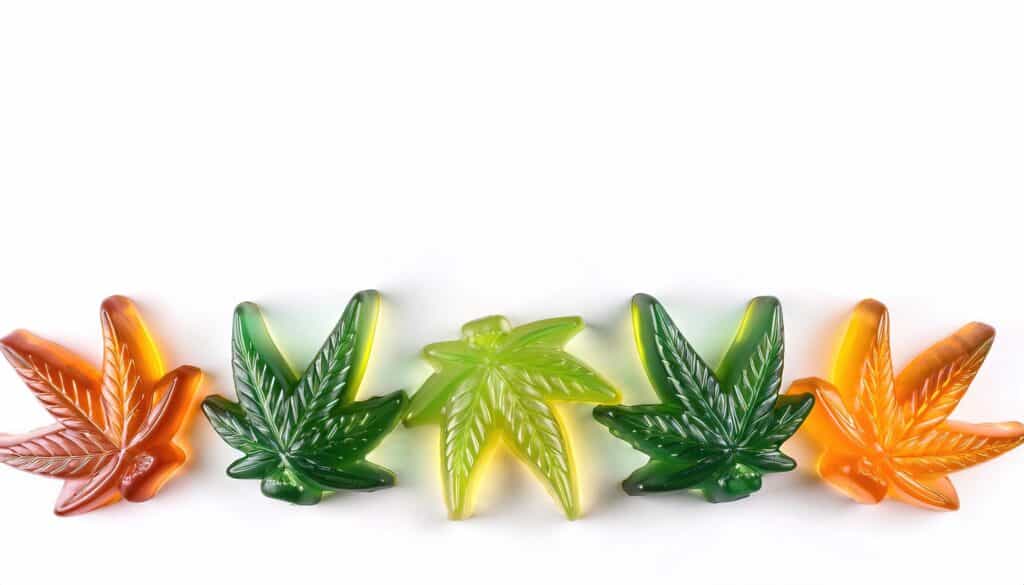
People use delta-8 in many of the same ways as other cannabis products, most commonly through edibles like gummies, vape cartridges, and tinctures. Because it interacts with the body’s endocannabinoid system, it produces psychoactive effects. Many users seek out delta-8 hoping for feelings of relaxation, euphoria, and appetite stimulation with less anxiety than traditional THC.
However, the experience isn’t always positive, and it’s important to be aware of the potential intoxicating effects. The lack of regulation means the dosage and purity can vary widely, leading to unpredictable outcomes. Some of the effects people may experience include:
- Feelings of relaxation or euphoria
- Pain relief and appetite stimulation
- Confusion and dizziness
- Anxiety or paranoia
- Increased heart rate
- Dry mouth and red eyes
- Difficulty with coordination and concentration
Adverse Event Reports
One of the biggest concerns with delta-8 is that its products are not evaluated or approved by the FDA for safe use. This lack of oversight leaves consumers vulnerable to unknown health risks. The data reflects these dangers. According to the FDA, national poison control centers received 2,362 exposure cases related to delta-8 THC products between January 2021 and February 2022. These reports highlight serious adverse events that required medical intervention.
The risk to children is particularly alarming. Of those exposure cases, 41% involved pediatric patients under 18 years old. Even more troubling, 82% of the unintentional exposures affected children, often because delta-8 edibles are made to look like regular candies and snacks. The reported adverse events included vomiting, hallucinations, tremors, anxiety, confusion, and loss of consciousness. In many of these situations, professional medical help was necessary, with 70% of the individuals requiring evaluation at a healthcare facility. If you are concerned about your or a loved one’s use of delta-8, confidential help is available and can provide the support you need.
Legal Status in the United States
The legality of delta-8 is confusing and exists in a federal gray area. The 2018 Farm Bill legalized hemp and its derivatives as long as they contain less than 0.3% delta-9 THC. Because most delta-8 is made from hemp-derived CBD, some manufacturers argue it is federally legal under this bill. However, the Drug Enforcement Administration (DEA) considers all synthetically derived tetrahydrocannabinols to be illegal controlled substances, which could include delta-8.
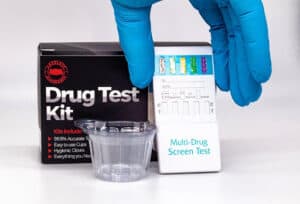
This conflict has left states to create their own rules. Many states have moved to ban or heavily regulate delta-8 products due to safety concerns and their intoxicating effects. As a result, its legal status can change depending on where you are. It’s also critical to know that using delta-8 can cause you to fail a drug test. Standard drug testing screens for THC metabolites and cannot tell the difference between delta-8 and delta-9 THC. This means that even if delta-8 is legal in your state, its use could lead to a positive THC result with serious consequences for your employment or other areas of your life.
Frequently Asked Questions
Delta 8 THC, also known as delta 8 tetrahydrocannabinol, is a psychoactive substance found in very small amounts in the cannabis plant, including the cannabis sativa plant. While it is naturally occurring, most delta 8 THC products on the market are made through chemical synthesis using hemp plants. Manufacturers extract CBD from hemp and use a chemical process to convert it into delta 8, which has a slightly different chemical structure than delta 9 THC. The difference lies in the placement of carbon atoms, which affects how delta 8 interacts with cannabinoid receptors in the endocannabinoid system.
There are growing safety and public health concerns around delta 8 THC. The FDA has issued warning letters to manufacturers over misleading marketing and lack of quality control, and poison control centers have reported increased calls related to delta 8 exposure, according to the National Poison Data System. Many delta 8 products contain high concentrations of THC and may include harmful chemicals left over from the extraction and conversion process. Because these products are largely unregulated, risks can include anxiety, intoxication, and the need for medical care, especially for children who accidentally consume delta 8 food products.
Yes. Delta 8 THC can cause a positive result on drug tests because it is chemically similar to delta 9 THC and metabolizes in comparable ways. Even if a product is labeled as hemp-derived, THC products containing delta 8 may still trigger a failed test. While some people believe delta 8 offers health benefits or milder intoxicating effects, research is limited, and misuse can still contribute to addiction and negative effects on mental health. Organizations like the American Chemical Society have noted the need for more chemical research and safety data, while the Food and Drug Administration continues to raise concerns about how these substances are produced and marketed.
Navigating the Risks of Delta 8 THC and Finding Support
As we’ve seen, the world of delta-8 is filled with uncertainty. Its unregulated nature means there’s a real risk of consuming contaminants, its health effects can be serious, and its legal status is shaky at best. If you or someone you care about finds that using delta-8 or any other substance is causing problems in your life, please know that you are not alone and effective help is available.
Reaching out for support is a sign of strength. At MPower Wellness of Exton, we provide compassionate, evidence-based care to help you find your footing again. Our outpatient programs, including our partial hospitalization (PHP) and intensive outpatient (IOP) options, are designed to fit into your life while providing the structure and therapy you need. We also offer dual diagnosis support for those who are navigating co-occurring mental health challenges like anxiety or depression alongside substance use.
It can feel overwhelming to navigate the risks of substances like delta-8, but you don’t have to do it alone. The path to recovery is different for everyone, and it starts with a simple, hopeful step. If you’re ready to explore what support looks like for you or your family, we’re here to talk. You can reach us by calling (484) 517-3005 or by visiting us at MPower Wellness of Exton. For more information or to ask a question, please feel free to contact us.
Sources
- U.S. Food and Drug Administration. (May 4, 2022). 5 Things to Know about Delta-8 Tetrahydrocannabinol – Delta-8 THC. U.S. Food and Drug Administration.
- National Center for Biotechnology Information. (2024). Chemistry and Pharmacology of Delta-8-Tetrahydrocannabinol. National Library of Medicine.
- Oregon Liquor and Cannabis Commission. Delta-8-THC. Oregon Liquor and Cannabis Commission.
- University of Illinois. (March 24, 2025). Know your deltas: The difference between 8, 9, and 10. University of Illinois.
- PubChem. (August 16, 2025). Delta-8-Tetrahydrocannabinol. National Center for Biotechnology Information.
- National Center for Biotechnology Information. (January 4, 2022). Delta-8-THC: Delta-9-THC’s nicer younger sibling?. National Library of Medicine.
- Medical University of South Carolina. (May 28, 2024). Discussing delta-8 THC: Q&A with MUSC scientists who study cannabis. Medical University of South Carolina.
- Kansas Legislative Research Department. (February 1, 2024). Delta-8-THC. Kansas Legislative Research Department.
- University of South Carolina. Delta-8 Tetrahydrocannabinol Policy and Related Health Impact. University of South Carolina.
- National Center for Biotechnology Information. (August 21, 2024). Delta-8 Tetrahydrocannabinol Exposures Reported to US Poison Control Centers. National Library of Medicine.
- Centers for Disease Control and Prevention. (September 14, 2021). Health Alert Network (HAN) – 00451. Centers for Disease Control and Prevention.
- Drug Enforcement Administration. (2023). Cannabis. Drug Enforcement Administration.
- National Institute on Drug Abuse. (August 18, 2025). Frequently Asked Questions about Conducting Research with Cannabis, Marijuana, and Hemp. National Institute on Drug Abuse.
- Library of Congress. (August 20, 2025). The 2018 Farm Bill’s Hemp Definition and Legal Challenges to State Bans on Certain Hemp Products. Congressional Research Service.
- Substance Abuse and Mental Health Services Administration. (September 24, 2025). Home. Substance Abuse and Mental Health Services Administration.
- Indian Health Service. (October 11, 2024). Warning Signs of Substance and Alcohol Use Disorder. Indian Health Service.
- National Center for Biotechnology Information. (April 25, 2023). Integrated vs non-integrated treatment outcomes in dual diagnosis. National Library of Medicine.