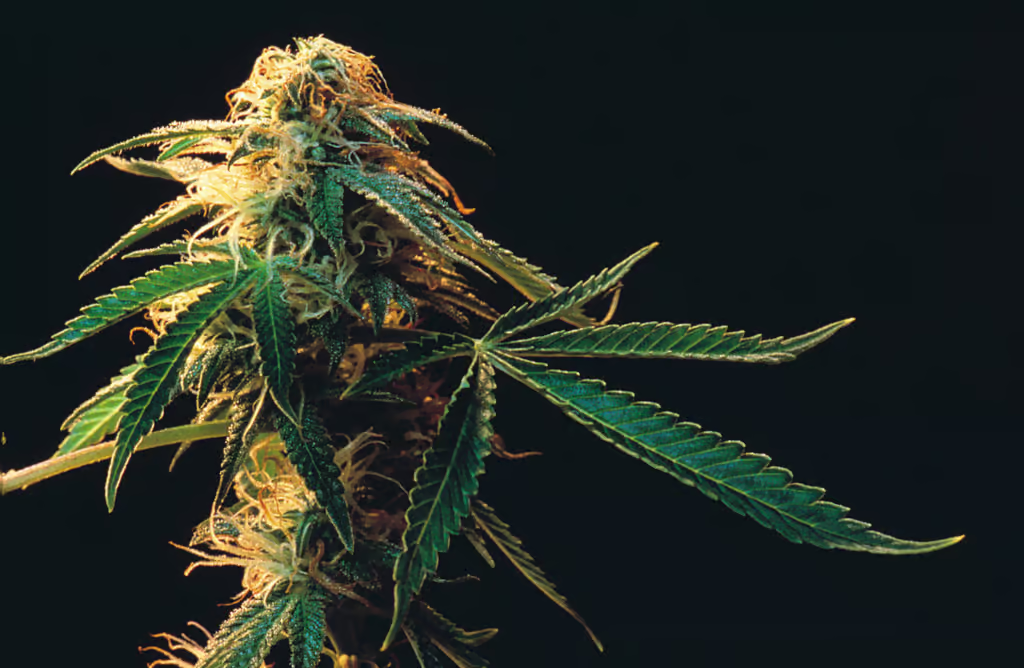
The question: Is weed illegal in Pennsylvania? continues to be a popular inquiry, especially as marijuana laws evolve around the country. The answer is nuanced. While medical marijuana is legal in Pennsylvania, recreational marijuana remains illegal under state law. This distinction often confuses, particularly for individuals who assume marijuana is fully legal or carries little legal or health risk. At MPower Wellness, we work with individuals affected not only by substance use but also by the stress, legal consequences, and mental health challenges that can arise from marijuana.
Marijuana Under Current Law: Is Weed Illegal in Pennsylvania?
Under current Pennsylvania marijuana laws, recreational marijuana is illegal. This means that possessing, growing, selling, or consuming cannabis without medical authorization can still result in criminal charges.
Although many states have moved to legalize recreational cannabis, Pennsylvania has not yet passed legislation to legalize marijuana for adult recreational use. Over the past eight years, lawmakers have introduced multiple proposals through the state legislature, including various house bills and senate bills, but none have fully legalized recreational marijuana.
Until such legislation is passed, marijuana remains classified as a controlled substance under Pennsylvania law, and enforcement is handled at the state and local levels.
Medical Marijuana in Pennsylvania: What Is Legal and What Is Not?
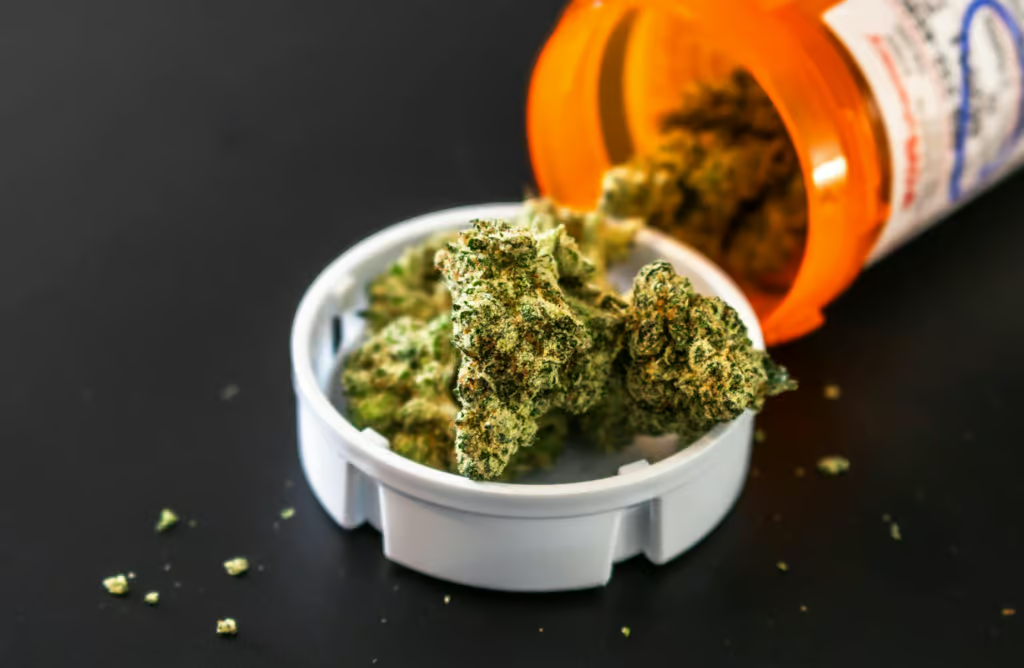
While recreational cannabis remains illegal, medical marijuana is legal in Pennsylvania through the Pennsylvania Medical Marijuana Program, which was established under the Medical Marijuana Act. This program allows approved patients to legally access medical cannabis for specific qualifying medical conditions.
Participation in the program requires a formal process. Individuals must receive a physician’s approval, register with the Pennsylvania medical marijuana program, and obtain a valid medical marijuana ID card. Only then may they purchase approved medical marijuana products from licensed dispensaries.
At MPower Wellness, we recognize that these legal protections apply only to registered patients. For anyone without authorization, marijuana is still not considered legal in Pennsylvania, even if used for perceived medical reasons.
Marijuana Charges and Criminal Consequences for Drug Paraphernalia
Marijuana possession laws in Pennsylvania depend largely on whether a person is a registered medical marijuana patient and the amount involved. Without medical authorization, possessing marijuana may result in a criminal offense, even when the amount is small.
For non-medical users, possession of small amounts of marijuana may be charged as a summary offense or a misdemeanor offense, depending on the circumstances and whether it is a subsequent offense. Penalties can include fines, probation, or jail time, with some marijuana charges carrying potential sentences of up to one year.
In addition to marijuana itself, marijuana paraphernalia and drug paraphernalia can lead to separate charges. Even without cannabis present, possession of items associated with consuming or storing marijuana may still be treated as a criminal offense under state law.
Recreational Use in PA: Efforts to Legalize Recreational Marijuana
There has been growing momentum to legalize recreational marijuana in Pennsylvania, but legalization has not yet occurred. Over the past several years, lawmakers and advocacy groups, including the Pennsylvania Cannabis Coalition, have pushed for reform through the legislative process.
The lieutenant governor has led a statewide listening tour to gather public input, and public discussions have taken place through press conferences and committee hearings. The law and justice committee and the health committee have both reviewed proposals, and some House members and House Democrats have publicly supported legalization efforts.
Despite these actions, no recreational marijuana bill has passed. Until a bill is approved by the Pennsylvania legislature and signed into law, recreational cannabis remains illegal.
Federal Law and Marijuana Offenses in Pennsylvania
Even if Pennsylvania were to legalize recreational marijuana, federal law would still classify marijuana as a controlled substance. This creates additional legal considerations, particularly for individuals who cross state lines, work in federally regulated industries, or receive federal benefits.
Medical marijuana patients are protected under state law, but federal restrictions may still apply in certain situations. This ongoing conflict between state and federal law continues to create uncertainty around cannabis use.
Marijuana Use, Mental Health, and Addiction Risk
Although marijuana is often perceived as harmless, marijuana use can create challenges for some individuals, particularly when it becomes a coping mechanism for emotional distress. For people with anxiety, depression, trauma, or post-traumatic stress disorder, marijuana use may temporarily numb discomfort while worsening symptoms over time.
In recovery settings, marijuana use can interfere with emotional regulation, motivation, and the development of healthy coping strategies. When marijuana use continues despite negative consequences, legal issues, or mental health decline, professional support may be beneficial.

When Support for Marijuana Use Is Helpful
Treatment may be appropriate when marijuana use begins to disrupt daily functioning, relationships, or emotional stability. Repeated legal issues, difficulty stopping use, or reliance on cannabis to manage stress can all signal the need for additional support.
Early intervention can reduce the risk of escalating marijuana charges, severe penalties, or involvement with other illegal drugs.
Addiction Treatment Options at MPower Wellness
At MPower Wellness, we provide compassionate, individualized care for individuals navigating marijuana use, legal stress, and co-occurring mental health conditions. Our addiction treatment model addresses substance use patterns while supporting long-term recovery and emotional well-being.
Each program is designed to support stabilization, behavior change, and long-term recovery, allowing individuals to step into the level of support that best fits their clinical needs and life circumstances.
Drug and Alcohol Detox
While marijuana does not always require medical detox, some individuals enter treatment using marijuana alongside other substances or experiencing significant emotional distress. Drug and alcohol detox provides medically supervised support to ensure safety, manage withdrawal symptoms when present, and stabilize mental health before engaging in ongoing addiction treatment.
Partial Hospitalization Program (PHP)
A partial hospitalization program provides full-day treatment without overnight stays. PHP is ideal for individuals who need a high level of structure and clinical support but can safely return home in the evenings. This program supports recovery by combining intensive therapy with increasing independence.
Intensive Outpatient Program (IOP)
The intensive outpatient program offers several days of treatment each week while allowing individuals to maintain work, school, or family responsibilities. IOP is a common option for marijuana-related treatment, especially for individuals who need consistent support to reduce use, manage cravings, and strengthen relapse prevention skills.
Outpatient Treatment Program
Outpatient treatment is designed for individuals who are stable enough to live independently but benefit from continued therapeutic care. This level of care focuses on maintaining progress, addressing triggers, and integrating recovery tools into daily life while supporting long-term emotional stability.
Dual Diagnosis Treatment Program
Marijuana use frequently overlaps with anxiety, depression, trauma, or other mental health conditions. The dual diagnosis treatment program addresses both substance use and mental health disorders at the same time, reducing relapse risk and supporting more sustainable recovery outcomes.
Therapeutic Approaches Used in Marijuana Recovery
At MPower Wellness, therapeutic care for marijuana use focuses on addressing both the behavior and the underlying emotional patterns that often contribute to it. Using evidence-based therapies, we help individuals develop self-awareness, strengthen coping skills, and make lasting changes that support long-term recovery.
Cognitive Behavioral Therapy (CBT)
Cognitive behavioral therapy helps individuals identify how thoughts, emotions, and behaviors influence marijuana use. Through CBT, individuals learn to recognize patterns that lead to use, challenge unhelpful beliefs, and develop healthier coping strategies that reduce reliance on substances and support relapse prevention.
Eye Movement Desensitization and Reprocessing (EMDR)
Eye movement desensitization and reprocessing (EMDR) is a trauma-focused therapy used to help individuals process experiences that may contribute to ongoing marijuana use. For some people, marijuana becomes a way to manage unresolved stress, anxiety, or traumatic memories.
EMDR helps the brain reprocess these experiences so they are less emotionally triggering, reducing the urge to rely on marijuana for relief. By addressing the underlying emotional drivers of use, EMDR supports improved emotional regulation, decreasing cravings, and more stable, long-term recovery.
Motivational Interviewing
Motivational interviewing is a collaborative, non-judgmental approach that helps individuals explore their relationship with marijuana use and clarify their reasons for change. This therapy strengthens internal motivation, increases engagement in treatment, and supports individuals who may feel uncertain or conflicted about reducing or stopping use.
Group Therapy
Group therapy offers connection, accountability, and shared understanding. In a supportive group setting, individuals can explore challenges related to marijuana use, practice communication skills, and learn from others who are navigating similar recovery journeys. This sense of community helps reduce isolation and strengthens long-term recovery.
Mindfulness-Based and Complementary Therapies
Mindfulness-based and complementary therapies help individuals reconnect with their bodies and emotions in grounding, restorative ways. Practices such as mindfulness, somatic therapy approaches, and other wellness-focused therapies support nervous system regulation, stress reduction, and emotional balance, enhancing the overall effectiveness of addiction treatment.
FAQ: Is Weed Illegal in Pennsylvania?
We understand how important it is to get the answers to your questions before making decisions about marijuana use and the legal implications. If you have any additional questions, give us a call.
Yes. Recreational marijuana is illegal in Pennsylvania under the current state law. Possessing, using, growing, or selling marijuana without medical authorization can still result in criminal charges, even if marijuana is legal in other states.
Yes. Medical marijuana is legal for approved patients through the Pennsylvania Medical Marijuana Program. Individuals must receive physician approval, register with the state, and obtain a valid medical marijuana ID card to purchase cannabis from licensed dispensaries legally.
Yes. Marijuana possession without medical authorization may lead to fines, probation, or jail time, depending on the amount, prior offenses, and specific circumstances. In some cases, penalties can include up to one year of incarceration.
No. While some local ordinances reduce penalties for possession of small amounts, marijuana remains illegal under Pennsylvania state law. Decriminalization does not provide the same legal protections as legalization.

Is Weed Illegal in Pennsylvania? MPower Wellness Offers Support
MPower Wellness is a substance use and mental health treatment center rooted in compassion, respect, and individualized care. We understand that challenges with marijuana use often come with stress, uncertainty, and emotional weight, especially when legal concerns or mental health struggles are involved. Our role is to offer steady support, clinical guidance, and a space where people feel heard rather than judged.
Struggling with marijuana use or its effects doesn’t define you. It may simply signal that you need support and understanding. With the right care, you can regain stability, reconnect with yourself, and move forward in a healthy, sustainable way. Contact us today to learn more about treatment options and find more answers related to: Is weed illegal in Pennsylvania?
Sources
Commonwealth of Pennsylvania Department of Health. (n.d.). Medical marijuana. Pennsylvania.gov. https://www.pa.gov/agencies/health/programs/medical-marijuana
Lampe, J. R., Sacco, L. N., & Sheikh, H. Z. (2024). The federal status of marijuana and the policy gap with states (CRS Product No. IF12270). Library of Congress, Congressional Research Service. https://www.congress.gov/crs-product/IF12270