If you’re asking, “why are drugs bad for you?” you’re likely feeling a mix of concern, curiosity, and maybe even a little fear. It’s a heavy question, whether you’re asking for yourself or someone you care about. The reality is that substance use can feel like a tangled web, affecting not just your body but your entire life. It’s okay to feel overwhelmed by it all. The first step, just asking this question, is a huge move toward understanding. We want you to know you’re not alone in this, and we’re here to walk through the answers with you, without judgment and with a focus on hope and healing.
Why Are Drugs Bad for You?
The harms from drug use ripple outward, touching more than just the person using the substance. While the individual faces direct health risks, the effects extend to their family, friends, and community. Think of it like a stone tossed into a pond; the circles keep expanding. These consequences can generally be grouped into three main areas: physical health, mental well-being, and social or lifestyle impacts.
When someone is struggling, it can strain relationships, impact their ability to work, and create financial instability. On a larger scale, these challenges add up, affecting society as a whole. For instance, the estimated total social costs for methamphetamine alone are around $5 billion annually, which shows just how widespread the impact of substance use can be.
Physical Effects
Every substance has a different impact on the body, but nearly all of them carry a risk of significant physical harm. These effects can show up right away or develop slowly over time, creating a wide range of health problems. Understanding these physical consequences is a key part of seeing the full picture of substance abuse and its dangers.
In the short term, a person might experience immediate, temporary effects after using a drug. These can include:
- Increased heart rate and blood pressure
- Nausea or vomiting
- Changes in appetite and sleep patterns
- Impaired coordination and judgment
Over the long term, repeated drug use can lead to chronic and sometimes irreversible damage to the body. This is where the most severe health risks lie. Long-term effects often include organ damage, particularly to the heart, liver, and lungs. It can also lead to an increased risk of infectious diseases like HIV and hepatitis, especially if drug use involves sharing needles. Furthermore, prolonged use can cause significant neurological harm, changing the way the brain works and functions.
Tolerance and dependence
When someone uses a substance regularly, their body starts to adapt. This leads to tolerance, which means they need to take larger doses to feel the same effects they once did. At the same time, the body can develop a physical dependence on the substance. This isn’t the same as addiction.
Dependence means the body has grown so used to the drug’s presence that it experiences withdrawal symptoms, like tremors, nausea, or intense cravings, when the person tries to stop. It’s a physical response to the absence of the drug.
Drug Overdose
A drug overdose is a medical emergency that happens when a person takes more of a substance than their body can handle. An overdose can be accidental or intentional, and its effects can range from severe illness to death. The risk is incredibly serious. Common signs include difficulty breathing or respiratory depression, loss of consciousness, and unresponsiveness. If you suspect someone is experiencing an overdose, it is critical to call 911 immediately. Getting medical help as quickly as possible can save a life.
Does Illicit Drug Use Cause Mental Disorders?
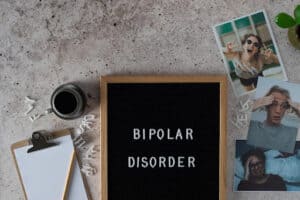
It’s a classic chicken-and-egg question: does drug use lead to mental health issues, or do people with mental health challenges turn to drugs? The answer is that it works both ways, and the relationship is complex. This is known as having co-occurring disorders, or a dual diagnosis. Many people start using substances to self-medicate the symptoms of an underlying condition like anxiety, depression, or PTSD.
They’re trying to find relief, but unfortunately, the substance often makes things worse over time. Drug use can trigger or intensify the symptoms of mental disorders by changing the brain’s chemistry. That’s why integrated treatment that addresses both mental health and substance use at the same time is so important for lasting recovery.
What Is Drug Addiction?
Drug addiction is more than just physical dependence; it’s a chronic, relapsing brain disease. According to the National Institute on Drug Abuse, addiction is characterized by compulsive drug seeking and use, despite knowing the harmful consequences. When a person uses a substance repeatedly, it can change the brain’s reward system, making it harder and harder to feel pleasure from everyday activities. This can create an intense drive to keep using the substance, even when it’s causing problems at work, at home, or with their health.
Recognizing the signs that someone has a drug problem is the first step toward getting help. Some common signs include:
- Changes in behavior, like secrecy or neglecting responsibilities.
- Mood swings, irritability, or unexplained personality changes.
- Physical signs like sudden weight loss or gain, poor hygiene, or constant fatigue.
- Continuing to use the substance despite negative impacts on relationships or finances.
What Are Treatment Options for Substance Use?
The most important thing to know is that recovery is possible. No matter how difficult things seem, treatment can help people regain control of their lives. There are many different paths to recovery, and the right approach depends on the individual’s needs. For many, the journey begins with outpatient and dual diagnosis programs that provide structured support while allowing them to live at home.
Therapies like cognitive behavioral therapy (CBT) are effective in helping people identify and change negative thinking patterns and behaviors. The first step is usually a confidential, professional assessment to figure out the right level of care. If you’re ready to explore what that could look like, our team is here to help you understand the different treatment programs available.
Frequently Asked Questions
Illegal drugs and injection drug use carry especially high risks. Sharing needles or injecting substances can lead to infectious diseases like hepatitis C and other serious medical emergencies. Injection drug use can also cause vein damage, abscesses, and long-term harm to the spinal cord and heart. Many illegal substances contain unknown chemicals or contaminants, which increases the risk of overdose and unpredictable reactions in the body.
Not everyone who takes drugs becomes addicted, but many factors increase risk, including family history, mental illness, early drug use in the teen years, and regular use over time. Both illicit drugs and some prescription drugs can lead to drug addiction and substance use disorders. According to research from the National Institute on Drug Abuse, long term effects may include changes to the brain, increased overdose risk, and ongoing mental health issues even after stopping use.
Drugs affect both the body and the brain, often at the same time. Drug use can disrupt the nervous system, alter brain chemistry, and increase the risk of mental health problems like anxiety, depression, and other mental disorders. Physically, long term drug use is linked to high blood pressure, heart attack, lung cancer, chronic bronchitis, gum disease, and infections like hepatitis B and hepatitis C. Over time, substance abuse can damage general health and lead to harmful consequences that affect nearly every part of a person’s life.
Understanding Why Drugs Are Bad for You
Understanding the harms of drug use is a critical first step, but it’s what you do with that knowledge that truly matters. If you or someone you love is struggling, please know that you don’t have to face it alone. Help is available, and a healthier, more hopeful future is achievable. Reaching out is a sign of incredible strength.
Taking that next step can feel daunting, but our compassionate team at MPower Wellness of Exton is here to make it as simple as possible. We can answer your questions and provide a confidential assessment to help you find the right path forward. You can start the process by calling us at (484) 517-3005 or by contacting us. Recovery is a journey, and it begins with a single, brave step.
Sources
- National Institute on Drug Abuse. (July 6, 2020). Treatment and recovery. National Institute on Drug Abuse.
- SAMHSA. (April 24, 2023). Find help and treatment for mental health, drug, alcohol issues. SAMHSA.
- SAMHSA. (December 30, 2024). Helplines: mental health, drug, alcohol issues. SAMHSA.
- SAMHSA. Findtreatment.gov: home. SAMHSA.
- U.S. General Services Administration. (November 21, 2025). Find help for substance abuse. USAGov.