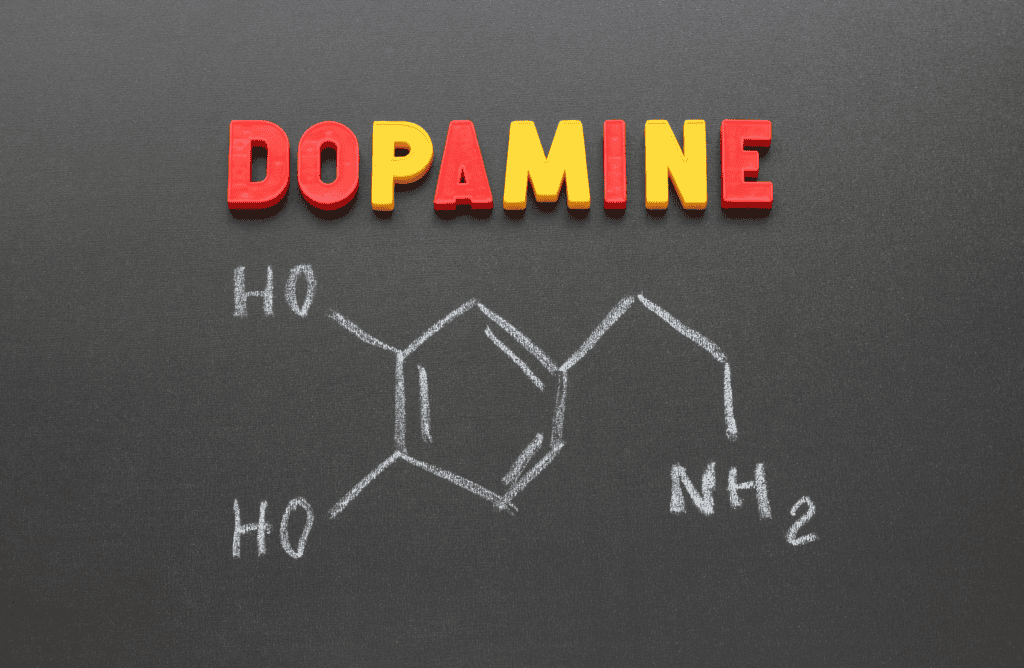
Dopamine is a chemical messenger that influences motivation, mood, movement, and the brain’s reward pathway. When dopamine levels become too low, a person may feel unmotivated, emotionally overwhelmed, or disconnected, which can increase the risk of substance abuse as the brain searches for a quick boost in dopamine release. Recognizing these patterns is an important first step toward effective dopamine deficiency treatment. At MPower Wellness, we help individuals understand dopamine-related symptoms and address the link between low dopamine levels and addiction with compassionate, evidence-based support.
How Understanding Dopamine Production Informs Dopamine Deficiency Treatment
Dopamine is produced by nerve cells in specific regions of the brain, including the substantia nigra and ventral striatum. Once released, dopamine interacts with dopamine receptors and travels along pathways that support motivation, focus, pleasure, and motor control.
Dopamine transporters help regulate dopamine activity by controlling how much of the neurotransmitter remains available in the brain. When dopamine production or dopamine neurotransmission is disrupted, the dopamine system becomes unbalanced, which can affect how a person thinks, feels, and functions. Dopamine deficiency treatment is available to restore the balance in your body.
Why Dopamine Matters for Mental and Physical Health
Dopamine plays an essential role in both mental health and physical health. When dopamine levels are balanced, the brain can regulate motivation, mood, cognitive performance, and the body’s reward pathway effectively. Dopamine also supports movement, sleep, attention, and autonomic nervous system function.
When dopamine levels fall, people may experience:
- Changes in motivation or interest
- Difficulty concentrating
- Mood instability or emotional fatigue
- Slower movements or reduced motor control
- Sleep disturbances
- Lower resilience to stress
These shifts often begin subtly but, over time, can interfere with daily functioning and overall well-being.
Dopamine Deficiency and Its Impact on Substance Abuse
Dopamine plays a central role in the human brain, influencing mood, motivation, reward, movement, and daily functioning. When dopamine levels drop too low, the dopamine system becomes unbalanced, and this shift can deeply affect dopamine neurotransmission, mental health, and long-term emotional stability. These changes often increase vulnerability to substance abuse, especially when the brain is searching for ways to feel “normal” again.
How Dopamine Shapes the Reward Pathway
Dopamine is a chemical messenger produced by dopamine-producing neurons in regions such as the substantia nigra and ventral striatum. It travels through dopamine receptors and dopamine transporters to regulate motivation, pleasure, and the reward pathway.
When the dopamine system functions well, the brain reinforces healthy behaviors like completing tasks, connecting socially, or engaging in physical activity. But lower dopamine or disrupted dopamine neurotransmission can make these experiences feel dull or unmotivating. This disconnect affects cognitive performance, influences mood, and can make even simple daily responsibilities feel overwhelming.
Why Low Dopamine Levels Increase Risk for Substance Abuse and Mental Health Conditions
Low dopamine levels can occur due to genetic factors, medical conditions such as Parkinson’s disease or attention deficit hyperactivity disorder, nutritional deficiencies, metabolic state changes, or prolonged physiological stress. When nerve cells cannot produce dopamine effectively, or when the enzyme dopamine beta hydroxylase is disrupted, a person may begin to feel emotionally flat, drained, or unmotivated.
Because drug use temporarily boosts dopamine release in the central nervous system, many individuals turn to substances to compensate for:
- low dopamine levels
- decreased dopamine activity
- difficulty feeling reward or pleasure
- emotional numbness or low mood
Over time, this cycle creates physical and psychological dependence, especially when substances become the primary way to increase dopamine levels.
Substances That Strongly Affect Dopamine Activity
Different substances interact with dopamine in different ways. Stimulants cause rapid dopamine release, opioids influence dopamine transporters indirectly, alcohol affects dopamine receptors, and certain drugs overwhelm dopaminergic control systems.
With repeated drug use, dopamine-producing neurons become less responsive, requiring more dopamine stimulation to feel the same effect. This pattern leads to greater risk for substance misuse and long-term changes in brain function.
How Dopamine Deficiency Makes Recovery More Challenging
A person entering addiction recovery with low dopamine levels may experience early stages of withdrawal more intensely. Low dopamine impacts the autonomic nervous system, motor control, and cognitive performance, and can lead to:
- mood instability
- slowed movement or motor symptoms
- muscle stiffness or muscle cramps
- postural instability
- sleep disturbances
- increased cravings
- low motivation
Because dopamine plays such an essential role in emotional resilience, individuals with dopamine deficiency may find it harder to stay focused, maintain abstinence, or feel a positive effect from daily activities.

Therapies at MPower Wellness That Support Dopamine Production
Restoring healthy dopamine activity is an important part of addiction recovery. Many therapies offered at MPower Wellness help reduce physiological stress, support emotional regulation, and naturally increase dopamine release. These approaches work together to strengthen the nervous system and help the brain relearn how to experience motivation, connection, and well-being without substances.
EMDR Therapy
EMDR helps process traumatic memories that disrupt dopamine neurotransmission. By reducing physiological stress, EMDR creates space for healthier dopamine activity and emotional stability.
Motivational Interviewing
Motivational interviewing therapy improves motivation, decision-making, and confidence. Positive behavior change can reinforce the reward pathway and help boost dopamine levels over time.
Individual Therapy
One-on-one sessions help identify emotional triggers, support mental health, and reduce stress that affects dopamine production. These conversations help individuals build healthier habits and coping skills.
Group Therapy
Connection and social support stimulate natural dopamine release. Group therapy helps reduce isolation, increases accountability, and strengthens the brain’s reward system.
Cognitive Behavioral Therapy (CBT)
CBT helps reframe negative thought patterns that drain dopamine and contribute to cravings or low motivation. This therapy supports cognitive performance, mood balance, and healthier routines.
Dialectical Behavior Therapy (DBT)
DBT teaches emotional regulation, distress tolerance, and mindfulness. These skills reduce impulsive behaviors and support dopamine stability during recovery.
Trauma Therapy
Unresolved trauma affects dopamine-producing neurons and the autonomic nervous system. Trauma therapy helps heal these disruptions, improving mood and nervous system balance.
Somatic Therapy
Somatic therapy approaches release stored tension from the nervous system, improve body awareness, and help regulate stress responses that interfere with dopamine production.
Art Therapy
Creative expression through art therapy activates pleasure centers in the brain and can naturally boost dopamine levels, especially during early recovery when low dopamine is common.
Yoga Therapy
Yoga therapy combines breathwork, movement, and mindfulness to regulate the autonomic nervous system and support healthy dopamine release. This practice helps reduce stress hormones and improve emotional resilience.
Dopamine Deficiency Treatment FAQs
Navigating dopamine deficiency can feel complicated, especially when symptoms overlap with stress, mood changes, or substance use. These FAQs address common questions and provide clarity on how dopamine levels, nutrition, medical testing, and treatment options influence recovery and overall well-being.
Yes. Tyrosine is the amino acid the brain uses to produce dopamine. Research suggests that increasing food intake of tyrosine-rich foods such as eggs, dairy, poultry, beans, and nuts may support dopamine production in younger and older adults. A trained provider can help you determine whether nutritional changes may benefit your dopamine levels.
Studies show that diets high in saturated fat can interfere with dopamine receptors and reduce functional connectivity in the brain. Because diet plays an important role in mental health, lowering saturated fat and supporting metabolic state with balanced nutrition can help stabilize dopamine activity.
Decreased dopamine levels can be linked to several health conditions, including Parkinson’s disease, mood disorders, sleep disturbances, and attention deficit hyperactivity disorder. Dopamine deficiency depends on the underlying cause, genetics, nerve cell health, and stress exposure.
A dopamine transporter test helps evaluate dopamine transporters in the central nervous system. This scan offers valuable insight into dopamine neurotransmission and brain function, especially in older adults or individuals with unexplained motor symptoms.
Vitamin D and certain essential amino acids play supportive roles in dopamine production and overall nervous system health. While increasing dopamine levels is not guaranteed through supplements alone, they may help maintain enough dopamine for healthy mood regulation.
Yes. Selective serotonin uptake inhibitors may help when dopamine deficiency co-occurs with mood disorders. Dopamine agonists or L-DOPA may be used in specific health conditions, such as early stages of Parkinson’s disease. Medication decisions depend on symptoms, medical history, and mental health needs.
Daily practices like physical activity, balanced food intake, reducing physiological stress, and maintaining consistent sleep can boost dopamine levels. These routines strengthen the autonomic nervous system and support both emotional stability and physical health.
Yes. Too much dopamine can disrupt brain function, increase blood pressure, and contribute to impulsive behaviors. Balance is essential, which is why dopamine deficiency treatment focuses on regulating dopamine activity, not simply increasing it.
Age affects the way nerve cells produce dopamine and respond to stress. Older adults may experience dopamine decline due to medical conditions or reduced cellular longevity, while younger adults may be more affected by lifestyle factors, substance use, or genetic factors.
Yes. Low dopamine levels can influence mood, motivation, and emotional resilience. Symptoms like low self-esteem, irritability, or emotional fatigue may be tied to a dopamine imbalance and may improve with appropriate treatment.
Low dopamine levels can make recovery more challenging by reducing motivation and increasing cravings. MPower Wellness uses therapies designed to boost dopamine levels naturally, support mental health, and rebuild the reward pathway for long-term recovery.
Diet plays a major role in dopamine maintenance. Nutrients like amino acids, vitamin D, and antioxidants help nerve cells produce dopamine. Limiting saturated fat and supporting gut-brain health can also promote stable dopamine release.

Finding Support for Dopamine Deficiency Treatment with MPower Wellness
Dopamine plays a powerful role in how you think, feel, and move through the world. When dopamine levels fall, life can begin to feel heavier, more confusing, or harder to manage. Understanding dopamine deficiency is an important first step, but you do not have to navigate these changes alone.
If you are noticing symptoms of low dopamine or you want help understanding what your body is trying to tell you, MPower Wellness is here to support you. Contact us today to learn more about dopamine deficiency treatment or to speak with someone who can help you take the next step toward healing and balance.
Sources
Juárez Olguín, H., Calderón Guzmán, D., Hernández García, E., & Barragán Mejía, G. (2016). The role of dopamine and its dysfunction as a consequence of oxidative stress. Oxidative Medicine and Cellular Longevity, 2016, 9730467. https://doi.org/10.1155/2016/9730467
Liu, C., & Kaeser, P. S. (2019). Mechanisms and regulation of dopamine release. Current Opinion in Neurobiology, 57, 46–53. https://doi.org/10.1016/j.conb.2019.01.001
National Institutes of Health. (2020). Dopamine affects how the brain decides whether a goal is worth the effort. https://www.nih.gov/news-events/nih-research-matters/dopamine-affects-how-brain-decides-whether-goal-worth-effort
Volkow, N. D., Michaelides, M., & Baler, R. (2019). The neuroscience of drug reward and addiction. Physiological Reviews, 99(4), 2115–2140. https://doi.org/10.1152/physrev.00014.2018