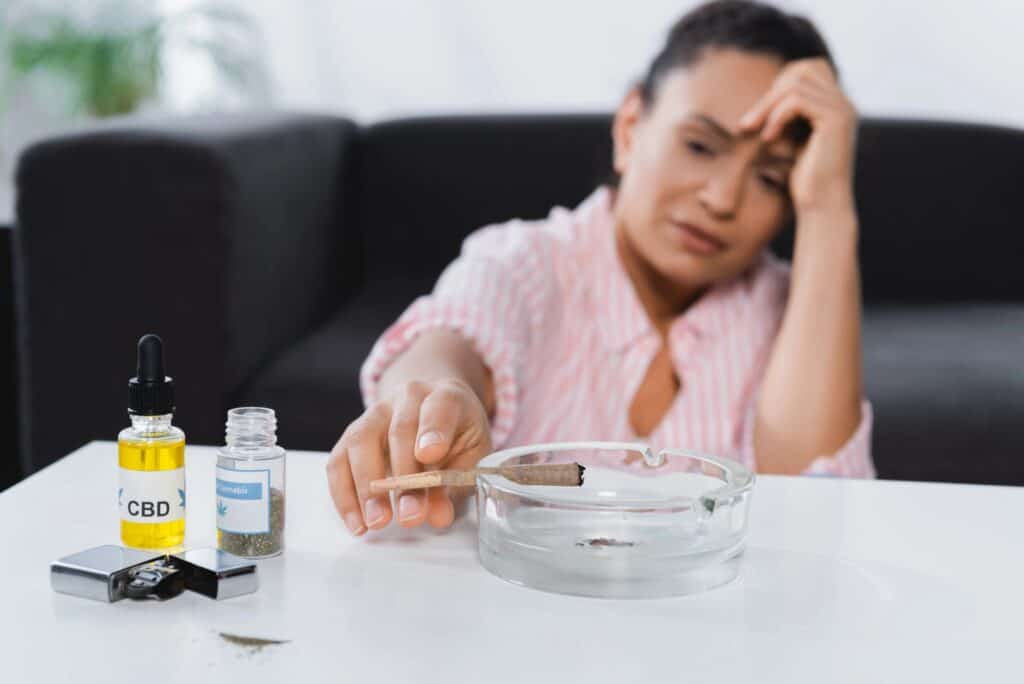
If you’ve ever used cannabis and suddenly felt sick, dizzy, and overwhelmed with anxiety, you might have experienced what’s known as “greening out.” It’s that awful feeling when a pleasant high takes a sharp turn, leaving you feeling terrible instead of relaxed. It can be a frightening and confusing experience, especially if you don’t know what’s happening.
You might be worried, wondering if it’s dangerous or what you can do to feel better. Please know, you’re not alone in this, and what you went through is a common reaction to consuming too much cannabis. We’re here to walk you through what greening out is, why it happens, and how you can manage it if it ever happens again.
What Is Greening Out?
Greening out is a simple way of saying you’ve had too much cannabis, leading to a host of unpleasant physical and psychological symptoms. Think of it as an overdose of THC (tetrahydrocannabinol), the main psychoactive ingredient in marijuana.
While it’s important to know that a fatal overdose caused solely by marijuana is unlikely, the symptoms can feel incredibly severe and distressing. It’s not the pleasant, euphoric high you might have been expecting. Instead, your body and mind are reacting to more THC than your system can comfortably handle at that moment. This experience is temporary, but it can be quite intense, turning what should have been a relaxing time into something scary and uncomfortable.
Greening Out Symptoms
So, what does greening out actually feel like? It’s different for everyone, but the experience typically involves a combination of distressing physical and psychological symptoms. Instead of feeling relaxed, you might feel like you’re losing control. The feeling can be overwhelming, but remember, these symptoms are temporary and will pass. Most symptoms start to fade within a few hours, though they can sometimes linger for up to a day.
Here’s a look at what you might experience:
- Nausea and vomiting: Your stomach may feel unsettled, and you might feel the need to throw up.
- Dizziness and lightheadedness: The room might feel like it’s spinning, making it hard to stand or walk.
- Increased heart rate: You may feel your heart pounding in your chest, which can add to feelings of panic.
- Sweating or chills: Your body temperature can feel out of whack, causing you to sweat, shiver, or feel cold and clammy.
- Pale skin: Some people lose color in their face and appear pale.
- Anxiety and paranoia: Your thoughts might start racing, leading to intense worry, fear, or a feeling that something bad is about to happen.
- Panic attacks: The combination of physical and mental symptoms can sometimes trigger a full-blown panic attack.
- Confusion and disorientation: You may have trouble focusing or understanding what’s going on around you.
What Causes Greening Out?
The main reason for greening out is simple: consuming more THC than your body can handle. Your personal tolerance plays a huge role here. However, several other factors can increase the chances of this uncomfortable experience happening.
Modern cannabis is significantly more potent than it was in the past. According to the National Institute on Drug Abuse, the average THC concentration in marijuana has surged from around 4% in 1995 to over 15% in recent years. This increase in potency makes it easier to accidentally consume too much.
Other common causes include:
- High-Potency Products: Concentrates, dabs, and certain strains of weed are packed with very high levels of THC, making it easy to overdo it, even with a small amount.
- Edibles: Cannabis-infused foods have a delayed effect. It can take anywhere from 30 minutes to two hours to feel anything. This leads many people to think it’s not working and to consume more, only to be hit with an overwhelming dose later on.
- Mixing Substances: Combining cannabis with other substances, especially alcohol, can amplify the effects of THC and increase impairment. This combination can make you feel much more intoxicated than using either one alone.
- Low Tolerance: If you’re new to cannabis or haven’t used it in a while, your tolerance will be low. Starting with a high dose is a common mistake that can easily lead to greening out.
Is Greening Out Dangerous?
While greening out is rarely life-threatening on its own, it’s not something to take lightly. The real danger often lies in the severe psychological distress it can cause, like intense panic attacks, and the way it impairs your judgment. When you’re disoriented and anxious, you’re more likely to have an accident, fall, or put yourself in an unsafe situation. This is reflected in the rising number of marijuana-related emergency room visits. Data from the Centers for Disease Control and Prevention shows a significant increase in these incidents, highlighting the potential for severe, non-fatal reactions that require medical attention.
For most, greening out is a one-time, unpleasant event. But if it happens frequently, it could be a sign of a more significant issue. Chronic, heavy cannabis use can sometimes lead to long-term risks like dependency or a condition called Cannabinoid Hyperemesis Syndrome (CHS), which causes severe, recurring nausea and vomiting. If you find yourself in this situation, it may be time to think about seeking support for a potential substance use disorder.
What Actions To Take If A Person Is Greening Out
If you or a friend is greening out, the most important thing to do is stay calm and remember that the feeling will pass. The goal is to make yourself as comfortable and safe as possible while you wait for the effects to wear off. Panicking will only make the experience feel worse.
Here are a few practical steps you can take:
- Find a Safe Space: Move to a quiet, comfortable place where you can sit or lie down without feeling overwhelmed.
- Hydrate: Sip on some water. Staying hydrated can help, but avoid alcohol or caffeine, which can make anxiety worse.
- Have a Light Snack: If you feel up to it, eating something small can help stabilize your blood sugar.
- Rest and Breathe: Close your eyes and focus on taking slow, deep breaths. This can help calm your racing heart and mind.
- Try a Distraction: Put on some calming music or a familiar, comforting TV show to help take your mind off how you’re feeling.
While most cases of greening out don’t require medical intervention, you should go to the hospital if you experience severe symptoms like chest pain, trouble breathing, extreme paranoia, or loss of consciousness. It’s always better to be safe and seek help if you feel something is seriously wrong.
When to Consider Professional Help for Cannabis Use
A single episode of greening out doesn’t automatically mean there’s a problem, but if it happens often, it might be a sign of a larger issue, such as a cannabis use disorder. It’s time to consider professional help if you notice patterns like an inability to cut down on use, cannabis affecting your responsibilities at work or home, or needing more to get the same effect.
At MPower Wellness of Exton, we offer a compassionate and understanding environment to explore these concerns without judgment. Our outpatient addiction treatment programs, like our intensive outpatient program (IOP) and partial hospitalization program (PHP), are designed to be flexible, allowing you to get the support you need while managing your daily life. Therapies like cognitive behavioral therapy (CBT) can also help address underlying issues such as anxiety or depression that may be contributing to your cannabis use. If you’re wondering if your use has become a problem, we encourage you to reach out for a confidential assessment.
Frequently Asked Questions
The most intense symptoms of greening out, such as dizziness and nausea, typically last from 30 minutes to a few hours. The exact duration depends on factors like the amount of THC consumed, your personal tolerance, and the method of consumption, as edibles can have longer-lasting effects.
While the worst of it passes relatively quickly, you might feel tired, groggy, or a bit off for the rest of the day. Giving your body time to rest and hydrate is the best way to help yourself recover.
Anyone can experience greening out, but the risk of greening is higher for new cannabis users, long time smokers increasing their dose, or people with psychiatric disorders. Using cannabis alongside smoking tobacco or other substances can elevate the threat and worsen adverse effects. People with substance use disorder or ongoing cannabis use may also face more negative consequences. Modern cannabis products amplify senses more intensely, increasing potential risks.
If someone is greening out, help them sit or lie down in a calm space with fresh air and reassurance. Encourage slow breathing, hydration, and avoiding more cannabis or other drugs. Most symptoms like vomiting, dizziness, and anxiety will pass with time, but medical help should be sought if symptoms worsen or breathing problems occur. Respiratory problems or severe panic attacks should never be ignored.
If greening out happens repeatedly or is tied to ongoing cannabis use, it may signal a deeper issue that needs support. Outpatient treatment, outpatient recovery services, or a counseling center can help address cannabis use and reduce future risks. In more serious cases involving substance use disorder or co-occurring mental health conditions, inpatient rehab may be appropriate. Getting outpatient recovery services can help people learn to use cannabis sensibly or opt out entirely to protect their health.
Navigating Potential Risks of Cannabis Use and Avoiding Greening Out
Greening out is a distressing experience, but it’s also a manageable one. The key is prevention: know your tolerance, start with a low dose, and go slow, especially with edibles. At our core, we believe in empowering you with knowledge, not judgment. Understanding your relationship with cannabis is a powerful step toward your overall well-being, and support is always here if you need it.
Taking the first step toward recovery can feel daunting, but you don’t have to do it alone. The compassionate team at MPower Wellness of Exton is here to guide you through greening out with understanding and expertise. If you or a loved one is struggling with cannabis use, please call us at (484) 517-3005 or contact us online to learn more about our programs. Reaching out is a sign of strength, and we’re ready to help you find your path forward.
Sources
- MedlinePlus. (August 1, 2025). Marijuana intoxication. MedlinePlus.
- California Department of Public Health. (June 25, 2025). Cannabis Poisoning. California Department of Public Health.
- Centers for Disease Control and Prevention. (February 15, 2024). Cannabis and Mental Health. Centers for Disease Control and Prevention.
- National Center for Biotechnology Information. (June 5, 2014). Adverse Health Effects of Marijuana Use. National Center for Biotechnology Information.
- National Institute on Drug Abuse. (July 16, 2024). Cannabis Potency Data. National Institute on Drug Abuse.
- National Center for Biotechnology Information. (January 19, 2016). Changes in Cannabis Potency over the Last Two Decades (1995-2014). National Center for Biotechnology Information.
- Centers for Disease Control and Prevention. (March 7, 2025). Cannabis Facts and Stats. Centers for Disease Control and Prevention.
- National Center for Biotechnology Information. (July 3, 2023). Cannabinoid Hyperemesis Syndrome. National Center for Biotechnology Information.
- Substance Abuse and Mental Health Services Administration. (September 24, 2025). Home. Substance Abuse and Mental Health Services Administration.
- National Center for Biotechnology Information. (March 20, 2024). Cannabis Use Disorder. National Center for Biotechnology Information.