
Art Therapy Philadelphia, PA
Table of Contents
What is Art therapy?
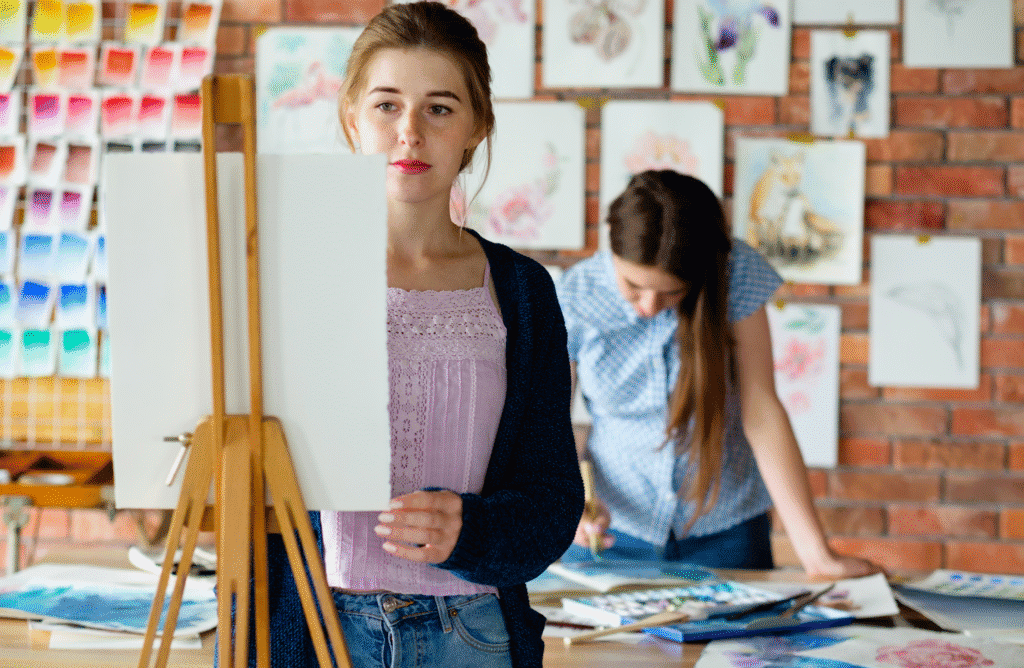
Art therapy is a specialized form of creative arts therapy that integrates the creative process with psychotherapy to promote emotional healing and self-discovery. Clients use active art making, such as painting, drawing, collage, or sculpture, to explore thoughts and feelings grounded in both psychological theory and clinical practice that may be difficult to express through words alone.
You don’t have to be an artist to benefit from art therapy. The focus isn’t on creating something perfect; it’s about engaging in the process of creating art to support emotional expression, stress reduction, and personal growth.
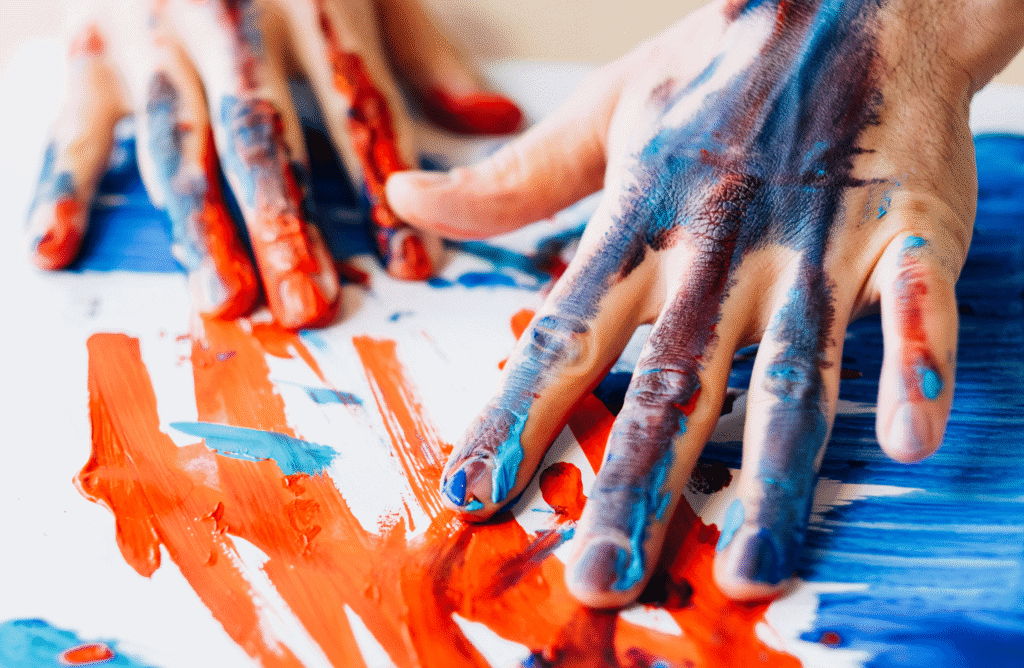
Art Therapy for Mental Health and Recovery
At MPower Wellness, our art therapy program is more than a creative outlet; it’s a clinically informed approach that supports emotional healing, personal growth, and recovery from mental health and behavioral challenges. Our licensed art therapists combine artistic expression with therapeutic techniques to help individuals identify feelings, process experiences, and build healthier coping skills.
Art therapy can be especially beneficial for individuals navigating substance use disorders, anxiety, trauma, depression, and eating disorders, offering a nonverbal pathway to healing when words may not feel accessible.
Substance Use and Addiction Recovery
For those in recovery, art therapy helps bridge the gap between emotion and expression. Clients use creative mediums to explore triggers, visualize progress, and develop self-awareness. Each of the skills learned truly supports relapse prevention. Creating art can also provide a sense of structure and accomplishment that supports ongoing sobriety.
Anxiety and Depression
Art therapy offers individuals experiencing anxiety or depression a safe way to externalize overwhelming emotions. Techniques such as guided drawing, collage, or painting can reduce stress levels and promote mindfulness. Mixing evidence-based therapies with art therapy results in improved emotional regulation and a regained sense of control and safety in general day-to-day concerns.
Trauma and PTSD
For individuals coping with trauma or post-traumatic stress disorder (PTSD), art therapy provides a gentle entry point for processing painful memories without re-experiencing distress. Visual storytelling and symbolic art allow clients to reframe their experiences, build resilience, and regain a sense of control and safety.
Eating Disorders and Body Image
In treating eating disorders, art therapy helps clients reconnect with their bodies in a compassionate way. Through imagery, sculpting, or reflective art-making, individuals can explore themes of identity, control, and self-worth while developing a healthier relationship with food and body image.
Across all of these conditions, art therapy services foster self-discovery, empowerment, and emotional release. It allows those participating to transform difficult emotions into tangible, meaningful expressions, supporting both clinical goals and personal growth.
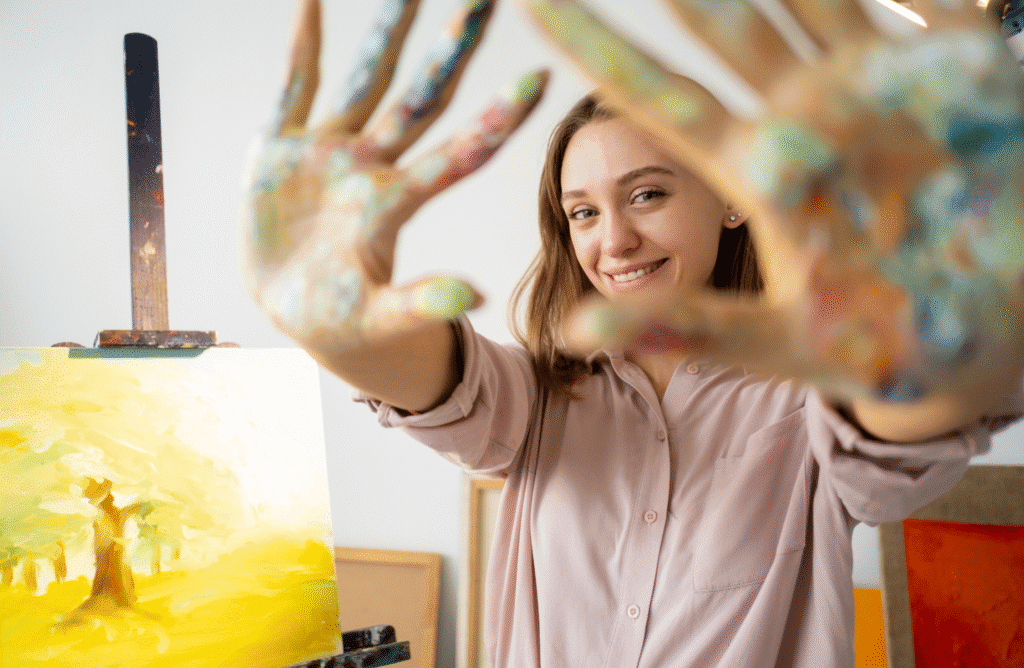
How We Use Art Therapy to Support Mental Health
At MPower Wellness, art therapy in Philadelphia is an essential part of our holistic approach to mental health care. By combining creativity with structured therapy, clients gain a deeper understanding of their emotions and learn to transform pain into purpose.
Anxiety and Depression
Through art making, clients learn to manage symptoms of anxiety and depression by engaging in mindful, relaxing, and emotionally expressive activities.
Trauma and PTSD
For those healing from traumatic experiences, creating art provides a nonverbal way to process memories, build safety, and restore control within a trusted therapeutic relationship.
Personal Growth and Insight and the Creative Process
The creative process encourages self-expression and helps clients increase awareness, uncover emotional patterns, and experience meaningful positive changes in how they relate to themselves and others.
Addiction and Recovery
Art therapy plays a powerful role in recovery from addiction and substance abuse, helping individuals explore the emotions and experiences that often accompany substance use disorders. While traditional methods like talk therapy focus on things like verbal communication, art therapy offers a creative and nonverbal way to process feelings of shame, anger, or grief, which are often accompanied by substance abuse.
At MPower Wellness, we pair our alcohol and drug addiction treatment programs with holistic approaches like art therapy to ensure that recovery stems from a well-rounded place.
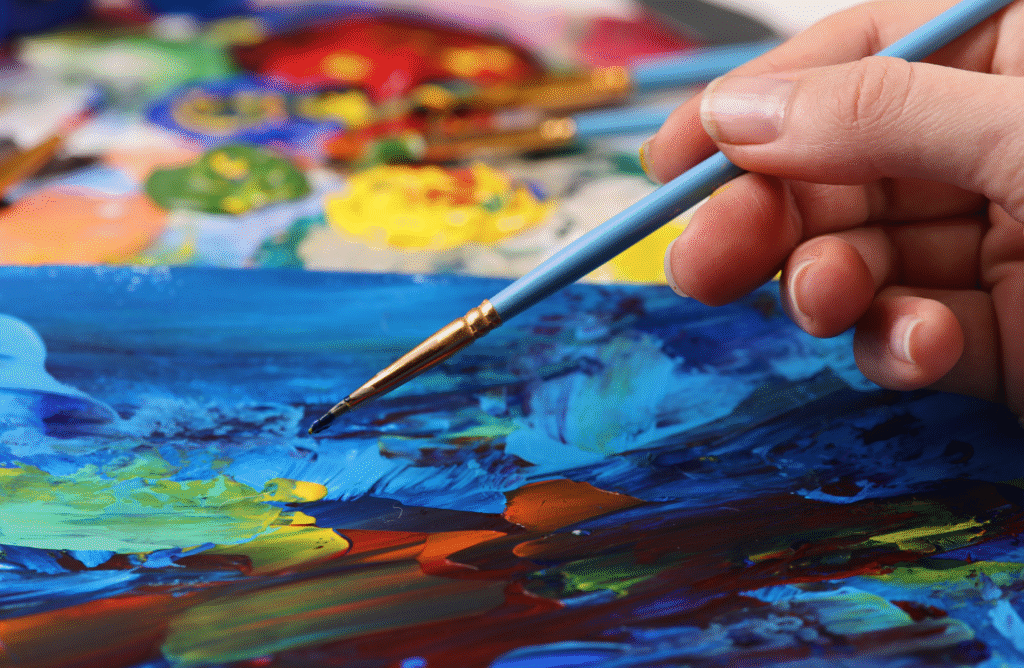
What to Expect in Art Therapy
Suppose you are interested in learning more about how art therapy can impact physical and mental disorders. In that case, our team can provide you with resources and education to help you make an informed decision about whether art therapy would be a good fit for you. Each session is guided by a licensed art therapist who tailors the experience to your individual needs, emotional goals, and comfort level.
Initial Assessment
Your therapist begins by exploring your treatment goals and assessing your current emotional and psychological needs.
Creative Art Making
Patients engage with a variety of art media, from painting and drawing to collage and sculpture, to express and explore thoughts and emotions.
Reflection and Discussion
After creating, you and your therapist reflect on your artwork to gain insight into underlying emotions, behaviors, and experiences.
Continued Growth
Over time, the creative process becomes a tool for resilience, helping you develop coping skills, emotional intelligence, and self-understanding.
MOST INSURANCE ACCEPTED
Up to 100% of the costs covered by insurance. At MPower Wellness, we accept most insurance plans. Verify your insurance to get information about your coverage.
Why Choose Art Therapy at MPower Wellness
Our art therapists are trained professionals who integrate applied psychological theory with creativity to promote healing across all stages of recovery.
Inclusive and Accessible
No prior art-making experience is required, rather just a willingness to explore. We welcome clients from all walks of life and create a nonjudgmental, supportive environment.
Part of a Holistic Healing Approach
Art therapy works alongside other MPower services, such as music therapy, family therapy, and individual counseling, to support whole-person recovery.
Art Therapists Focused on the Human Experience
Our approach honors the connection between art, emotion, and the human experience, using creative expression to help clients reconnect with themselves and the world around them.
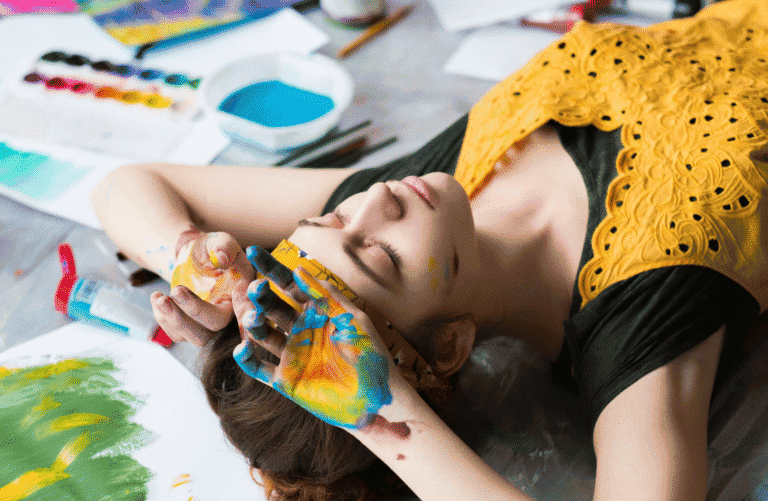
Frequently Asked Questions About Art Therapy
How Does Art Therapy Work?
During a session, clients engage in active art making, such as painting, drawing, collage, or sculpture, in a supportive and nonjudgmental environment. The artwork serves as a visual language, helping clients communicate experiences or feelings that might be difficult to express with words.
Our experienced art therapists work within a strong therapeutic relationship, using the art you create to identify themes, foster self-awareness, and inspire positive changes through the integration of creativity and psychological theory.
Who Can Benefit From Art Therapy?
Art therapy is designed for individuals of all ages and backgrounds, including children, teens, adults, and families. While we do not offer services for children, it can be effective for school-aged kids through adulthood.
It’s especially effective for people coping with anxiety, depression, trauma, or addiction, and for those navigating life transitions or relationship challenges. Because it engages both the body and mind, art therapy is also valuable for clients in forensic institutions, senior communities, and wellness centers who may prefer nonverbal forms of expression.
Do I Need to Be Good at Active Art Making to Participate?
Not at all. The goal of art therapy isn’t to create a masterpiece; it’s to explore your inner world through art making. You don’t need any background in drawing, painting, or other art media.
Our art therapists focus on the creative process, helping you express emotions, develop insight, and experience the therapeutic benefits of self-expression without pressure or judgment.
Is Art Therapy Evidence-Based?
Yes. The art therapy profession is grounded in decades of research and applied psychological theory. Studies supported by the American Art Therapy Association show that creative arts therapy can reduce symptoms of anxiety, depression, and trauma, while improving overall mental health and well-being.
At MPower Wellness, we combine art therapy with other evidence-based approaches like family therapy, mindfulness, and counseling for a truly holistic treatment experience.
How Can I Start Art Therapy in Philadelphia?
Beginning art therapy at MPower Wellness is simple. Contact us to schedule an initial consultation with a member of our team. We’ll discuss your goals, verify your insurance coverage, and tailor a creative arts therapy plan that supports your individual needs.

Begin Your Healing Through Creative Arts Therapy
If you’re ready to explore how creativity can support your mental health, we invite you to connect with MPower Wellness. Our art therapy in Philadelphia program offers the tools, guidance, and compassionate care you need to find balance and renewal. Contact us today to learn more, and let’s get you on the right path to healing.
Sources
Hu, J., Zhang, J., Hu, L., Yu, H., & Xu, J. (2021). Art therapy: A complementary treatment for mental disorders. Frontiers in Psychology, 12, 686005. https://doi.org/10.3389/fpsyg.2021.686005
Medical Reviewer
Dr. Singh
Share
Are you struggling?
Treatment Programs
Related Articles
Check Insurance
Check if your insurance will cover the cost of treatment.
"*" indicates required fields
- Your information is secure & protected by HIPPA.