
Chat with us, powered by LiveChat

"*" indicates required fields

Yoga Therapy for Addiction Recovery PA

Table of Contents

What Is Yoga Therapy for Addiction Recovery PA?

Yoga therapy is a gentle, structured approach that combines movement, breathwork, and mindfulness practices to support people in addiction recovery. Unlike traditional yoga classes, yoga therapy focuses on emotional stability, physical healing, and stress reduction so individuals can reconnect with their bodies in a safe and supportive way. At MPower Wellness, yoga for substance use plays an important part in helping adults find balance and grounding throughout their recovery journey and in their sober life.

Addiction Recovery with Yoga Therapy

Yoga therapy for addiction recovery encourages awareness of the present moment, helping you tune in to your emotions, physical sensations, and stress signals. Through a holistic approach that combines gentle movement and mindfulness practices, you can learn to manage cravings, reduce stress levels, and strengthen your connection to yourself on your road to inner peace. These yoga sessions work alongside addiction treatment by calming the nervous system and supporting emotional healing.

Why Yoga Therapy Helps Adults in Treatment

Yoga therapy can be especially helpful for adults managing chronic stress, anxiety, depression, and physical discomfort. By practicing simple breathing exercises and mindful movement, many individuals experience relief from tension, improved focus, and a more profound sense of peace during the healing process. MPower Wellness offers a variety of therapy programs, including yoga therapy, to help you feel more grounded as you move through treatment programs and build long-term wellbeing.

Request a Call

Struggling with addiction or mental health? You donโ€™t have to face it aloneโ€”request a confidential call today.

Request a confidential call from a member of our team. We are here to guide you through the admissions process, explain treatment options and costs, and help you understand what to expect. thats for request a call

"*" indicates required fields

This field is for validation purposes and should be left unchanged.

Benefits of Yoga Therapy in Addiction Treatment

Yoga therapy can be a supportive part of addiction treatment by helping you reconnect with your body, manage emotional stress, and feel more centered during recovery. At MPower Wellness, yoga therapy offers gentle guidance to help you strengthen both physical and mental well-being.

Reducing Stress and Supporting the Nervous System

Breathing exercises and slow, steady movement help lower stress hormones and calm the nervous system. These practices can ease chronic stress, tension, and restlessness, helping you stay grounded throughout treatment.

Improving Emotional and Mental Well-Being

Mindfulness and meditation used in yoga therapy encourage self-awareness and emotional balance. These tools can help reduce anxiety and depression, support focus, and create space for healthier responses to difficult emotions.

Supporting Physical Health in Recovery

Yoga therapy can offer relief for chronic pain conditions and physical discomfort often connected to substance abuse. Gentle movement helps increase flexibility, reduce stiffness, and support overall physical health during your healing journey.
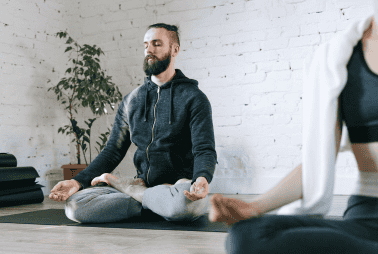
Spirituality is not required for a yoga practice. You can develop skills with yoga independent of personal belief that will ease illness, enhance self awareness, and increase stability in life.

What to Expect in Yoga Therapy Sessions

Yoga therapy sessions at MPower Wellness are designed to help you feel safe, supported, and connected to your healing process. Each session focuses on gentle practices that can be adapted to your comfort level and personal needs.

Led by a Trained Yoga Therapist

A certified yoga therapist will guide you through each session with calm, supportive instruction. You will move at your own pace, giving you space to explore what feels right for your body and emotions.

Mindfulness and Breathing Techniques

Sessions often include breathing exercises and mindfulness practices that help quiet the mind and ease emotional stress. These techniques can be used anytime you need grounding during your recovery journey.

Gentle Movement and Relaxation

You will work with simple poses and guided relaxation to release tension and increase awareness of physical sensations. These movements help support emotional regulation and provide comfort during challenging moments in treatment.

MOST INSURANCE ACCEPTED

Up to 100% of the costs covered by insurance. At MPower Wellness, we accept most insurance plans. Verify your insurance to get information about your coverage.

How Yoga Therapy Fits Into Addiction Treatment Programs

Yoga therapy can be a valuable part of addiction treatment by helping you reconnect with your body and emotions while you work on building long-term recovery. At MPower Wellness, yoga therapy is offered as a complementary treatment that supports both physical and emotional healing.

A Complementary Treatment in Addiction Recovery

Yoga therapy works alongside detox and other treatment programs to help reduce stress, improve emotional balance, and support your overall recovery journey. These practices can help you stay present, manage cravings, and find steadiness during difficult moments.

Integrated with Mental Health and Behavioral Support

Yoga therapy supports treatment for mental health challenges such as anxiety, depression, and trauma-related symptoms. When combined with other therapeutic approaches, yoga helps address unhealthy habits and emotional triggers that may contribute to substance abuse.

Enhancing Long-Term Recovery

Regular yoga sessions can improve well-being, increase resilience, and support healthier coping strategies. These benefits make yoga therapy an effective tool for relapse prevention and long-term stability in addiction recovery.

Who Can Benefit from Yoga Therapy?

Yoga therapy can support a wide range of individuals in addiction recovery. Its gentle, adaptable nature makes it accessible for people at all stages of treatment.

Adults Recovering from Substance Abuse

Yoga therapy can help adults coping with substance abuse by easing stress, supporting emotional regulation, and helping manage cravings. These practices promote a sense of calm and stability during treatment.

Individuals with Physical or Emotional Pain

People experiencing chronic pain, tension, trauma, or emotional symptoms often find relief through mindful movement and breathing. Yoga therapy helps you tune into your body in a safe and supportive environment.

People Seeking a Mind-Body Approach to Wellness

If you are looking for ways to strengthen the connection between your mind, body, and emotional well-being, yoga therapy can be a meaningful part of your healing journey.

Weโ€™re here to walk with you through your options & answer every question.

Why Choose Yoga Therapy at MPower Wellness

At MPower Wellness, yoga therapy is thoughtfully woven into your addiction treatment plan to support your emotional, physical, and mental well-being. Our treatment programs integrate mindfulness, movement, and therapeutic support to help you build strength and balance throughout your recovery journey.

Integrated Care from Experienced Professionals

Our yoga therapists work closely with our addiction specialists, mental health professionals, and treatment teams. This collaboration ensures that yoga therapy complements the rest of your care, whether you are in detox, inpatient treatment, partial hospitalization, or outpatient programs.

Safe, Supportive Environment

Sessions are designed to help you feel grounded and supported. Each practice encourages relaxation, gentle movement, and emotional awareness, making it easier to navigate challenges that surface during addiction recovery.

Tailored to Your Healing Journey

Yoga therapy is adapted to your needs, comfort level, and recovery goals. Whether you are working through stress, physical tension, cravings, or emotional struggles, these sessions provide a meaningful way to reconnect with your body and support long-term stability.


Ready to look for all the ways to help you in your next phase? We offer yoga therapy as a part of our program. Contact us today to learn more.

Yoga Therapy for Addiction Recovery FAQ

Choosing a new therapy during addiction recovery can bring up a lot of questions. This FAQ is here to give you clear, simple answers so you can feel more confident about what yoga therapy offers and how it can support your healing at MPower Wellness.

Yoga therapy is guided by a trained yoga therapist who understands addiction recovery and mental health. Sessions focus on healing, emotional regulation, and supporting the nervous system rather than fitness or performance.

Yes. Many people find that breathing exercises, mindfulness practices, and gentle movement help reduce stress levels and lessen the intensity of cravings. Yoga therapy teaches grounding techniques that support you during difficult moments.

Absolutely. Sessions are adapted to your comfort level and physical abilities. Yoga therapy uses gentle movement and body awareness techniques that can support chronic pain, tension, or limited mobility.

No experience is needed. Yoga therapy is designed for adults at all stages of recovery, including those who have never practiced yoga before.

Practices like mindfulness, meditation, and guided breathing help calm the nervous system and reduce symptoms of anxiety, depression, and emotional overwhelm. These benefits support overall emotional stability during treatment.

Yes. Yoga therapy is integrated into treatment programs when it aligns with your needs and goals. Your treatment team will help determine how yoga can best support your healing journey.

Your yoga therapist will guide you through simple breathing exercises, gentle movement, and mindfulness techniques at your own pace. Sessions are designed to make you feel comfortable, supported, and safe.

Many individuals find that yoga therapy helps them feel more grounded and connected to their bodies, which can support trauma recovery. Techniques focus on safety, awareness, and emotional regulation.

Both options may be available depending on your treatment plan. Group sessions encourage connection and community, while individual sessions provide more personalized support.

Contact MPower Wellness for an assessment. Our team will help you understand your treatment options and determine whether yoga therapy is a good fit for your recovery plan.

Start Yoga Therapy for Addiction Recovery in PA

Yoga therapy can be a powerful part of your healing journey, helping you reduce stress, reconnect with your body, and find steady ground as you move through addiction recovery. At MPower Wellness, our team is here to support you with care that feels safe, intentional, and aligned with your treatment goals.

If you are ready to explore yoga therapy for addiction recovery in PA, as part of your recovery, we are here to guide you. Contact MPower Wellness today to learn more about our treatment programs or schedule a confidential consultation. You do not have to do this alone.

Sources

Kuppili, P. P., Parmar, A., Gupta, A., & Balhara, Y. P. S. (2018). Role of yoga in management of substance-use disorders: A narrative review. Journal of Neurosciences in Rural Practice, 9(1), 117โ€“122. https://doi.org/10.4103/jnrp.jnrp_243_17

Marcus, M. T., & Zgierska, A. (2009). Mindfulness-based therapies for substance use disorders: Part 1. Substance Abuse, 30(4), 263โ€“265. https://doi.org/10.1080/08897070903250027

Walia, N., Matas, J., Turner, A., Gonzalez, S., & Zoorob, R. (2021). Yoga for substance use: A systematic review. Journal of the American Board of Family Medicine, 34(5), 964โ€“973. https://doi.org/10.3122/jabfm.2021.05.210175

To learn more, give us a call, fill out our free insurance form, or send us an emailโ€”whateverโ€™s easiest for you. Weโ€™re here to answer your questions and help you take the next step.

Medical Reviewer

Dr. Singh

Dr. Deepraj Singh is a board-certified psychiatrist. She graduated from Albany Medical College and completed her residency at Drexel University. Due to her passion for learning as well as teaching, she joined the Drexel University faculty to teach resident physicians and medical students. She started out her career in emergency psychiatry, but has expanded into working in outpatient, day program, inpatient and targeted case management programs. She is also certified in ECT and TMS. She performed ECT for persons with severe depression, anxiety, and bipolar disorders. She has always been interested in ways to improve care for her patients. This has led her to pursuing leadership roles such as medical directorships at various outpatient programs and inpatient facilities. These opportunities have allowed her to make changes at an organization level as well as community level. She strives to provide a comfortable atmosphere and a thorough evaluation. She believes in the holistic approach to care, aspires to integrate the biopsychosocial aspects as well physical health, and nutrition into her evaluation and treatment of her patients.

Share

Are you struggling?

Reach out today for a confidential conversation with a treatment specialist. We’re here to listen, answer your questions, and offer real support.

Check Insurance

Check if your insurance will cover the cost of treatment.

"*" indicates required fields

MM slash DD slash YYYY

REQUEST A CONFIDENTIAL CALL

Request a call and an Mpower Wellness team member will be in touch.

"*" indicates required fields