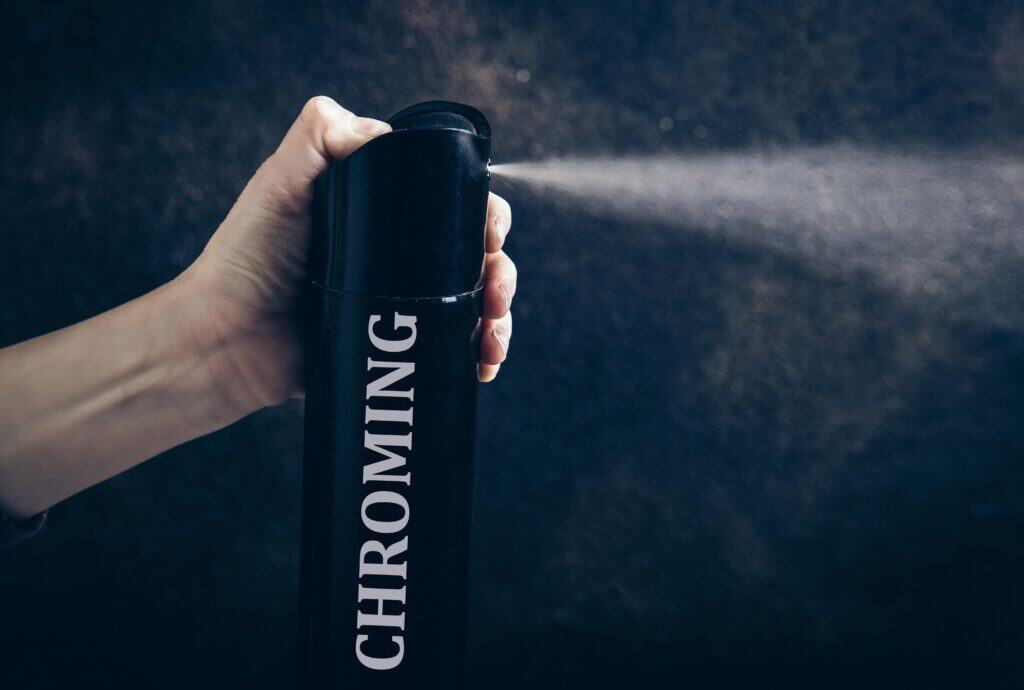
As a parent, you do everything you can to keep your kids safe. But sometimes, new dangers pop up that you’ve never even heard of, often spreading quietly through social media. One of these is a dangerous trend called “chroming.” It might sound harmless, but it involves common household products and carries serious risks. If you’re feeling concerned or just want to understand what this is, you’re in the right place. We’re going to walk through what chroming is, why it’s so dangerous, and what you can do to protect the adolescents in your life.
What is Chroming?
Chroming is the dangerous act of inhaling toxic fumes from everyday household products to get a brief, euphoric high. It’s a form of inhalant abuse that has gained recent attention due to social media trends. The term originally came from sniffing chrome-based spray paint, but now it’s used more broadly to describe inhaling the chemicals from a wide range of volatile substances.
Social media platforms have played a significant role in making this trend popular among kids and adolescents. Viral videos and challenges can make the activity seem like a harmless thrill, completely downplaying the severe health risks. Because the products are legal and easy to find, many young people don’t realize how dangerous inhaling these toxic fumes can be. The accessibility of these items is what makes chroming a hidden danger in many homes.
Some of the most common household products used for chroming include:
- Aerosol sprays (deodorant, hair spray, air fresheners)
- Permanent markers and felt-tip pens
- Nail polish remover
- Paint thinners and spray paint
- Glue and other solvents
- Gasoline or lighter fluid
Health Risks Associated with Chroming
The temporary high from chroming comes at a very high cost. Inhaling these chemicals prevents oxygen from reaching your brain and body, which can cause immediate and long-term damage. The most terrifying part is that chroming can be fatal even the very first time someone tries it. There is no safe way to engage in this trend.
One of the most severe dangers is “Sudden Sniffing Death Syndrome,” where inhaling chemicals can cause the heart to stop suddenly, leading to cardiac arrest. According to the Drug Enforcement Administration, this can happen within minutes. The short-term effects of inhalant abuse are also alarming and can include dizziness, slurred speech, hallucinations, nausea, and seizures. Long-term, the damage is even more devastating. Chronic use can lead to irreversible brain damage, liver and kidney failure, memory loss, and addiction. It’s a dangerous path that can quickly spiral from a social media dare to a life-altering health crisis.
Recognizing the Signs of Chroming
As parents, it’s helpful to know what to look for if you’re concerned about chroming. The signs can often be subtle, but being aware can help you spot a problem early. The indicators of inhalant abuse can generally be grouped into physical signs, behavioral changes, and the evidence left behind.
Here are some specific signs to watch for:
- Physical Signs: You might notice a chemical smell on your child’s breath or clothes. Look for paint or other stains on their face, hands, or clothing. Other physical symptoms include slurred speech, a dazed or drunk-like appearance, frequent nausea, and unexplained nosebleeds or a constantly runny nose.
- Behavioral Signs: Sudden changes in behavior are often a red flag. This could look like extreme mood swings, a sudden loss of interest in hobbies or friends, declining grades, or becoming more secretive and withdrawn from the family. Noticing these shifts in your teen could point to a number of issues, including substance use. For more information, you can read about the common signs of drug use in teenagers.
- Evidence of Use: Finding paraphernalia is one of the most direct signs. You might discover hidden stashes of empty aerosol cans, solvent containers, or chemical-soaked rags or clothes in their room, car, or backpack.
Preventive Measures and Open Communication
Prevention starts with open and honest conversation. Talking to your kids about the dangers of social media trends like chroming is one of the most powerful things you can do. Approach the topic calmly and without judgment, creating a safe space for them to listen and ask questions. Explain the specific risks you’ve learned about, from brain damage to cardiac arrest.
You can also take practical steps at home, like securing household chemicals in locked cabinets and being mindful of your child’s online activity and social circles. Fostering strong communication can make all the difference, and you can learn more about how family therapy can build these skills. If these conversations reveal a deeper issue, know that professional support is available. Contact MPower Wellness for a confidential assessment to discuss your concerns.
Frequently Asked Questions
The term “chroming” originally came from the dangerous practice of inhaling the toxic fumes from chrome-based spray paint to get a temporary high. It was a specific kind of inhalant abuse that was known for the metallic paint used.
Over time, the term has become a general slang word for inhaling fumes from many different household products, not just paint. This now includes things like aerosol deodorants, permanent markers, and nail polish remover.
Chroming is extremely dangerous because the chemicals can cause the heart to stop suddenly, a condition known as “Sudden Sniffing Death Syndrome.” This can happen without warning, even on the very first time a person tries it. There is no way to predict or prevent it.
The toxic fumes replace oxygen in the lungs and can lead to immediate cardiac arrest, suffocation, or seizures. Unlike many other substances, the risk of death is not necessarily tied to long-term use.
The recent popularity of chroming is largely driven by social media trends and challenges on platforms like TikTok. These videos can make the activity seem like a harmless joke or a dare, downplaying the severe dangers involved.
Because the household products used are legal and easy to find, adolescents might not see them as a serious threat. This accessibility, combined with peer pressure and curiosity, makes it a hidden but significant risk for many young people.
Yes, people can develop an addiction to chroming. This practice is a form of inhalant abuse that can lead to a powerful psychological dependence. The high is very short-lived, which can cause a person to use the substance repeatedly in a short amount of time.
This pattern can build a compulsive desire to continue using despite the serious health consequences. Overcoming an addiction to inhalants often requires professional treatment and support.
The terms “chroming” and “huffing” are often used to describe the same thing: inhaling chemical fumes to get high. While “chroming” started with chrome paint, “huffing” is a more general term that often refers to soaking a rag in solvents and inhaling from it.
Today, you’ll hear both terms used to describe any form of inhalant abuse, whether it’s from aerosol cans, markers, or gasoline. The specific term used is less important than recognizing that the behavior itself is extremely dangerous.
Seeking Help for the Effects of Chroming
If you suspect your child is engaging in chroming or any form of substance use, reaching out for professional help is a sign of strength, not failure. It can be overwhelming, but you don’t have to navigate this alone. For families in Pennsylvania, MPower Wellness offers a compassionate, expert resource with a multidisciplinary approach to recovery. We offer specialized programs, such as dual diagnosis treatment, to address all aspects of your child’s well-being.
A good next step is to take inventory of the aerosol products in your home and ensure they are stored securely. Then, find a calm moment to talk with your teen about the things you’ve learned. These conversations can be difficult, but they are crucial for their safety and well-being.
If you feel lost or need guidance, please don’t hesitate to reach out. Call us at (484) 517-3005 to speak with someone who understands, or contact us online to learn more. At MPower Wellness of Exton, we’re here to support your family with compassionate and effective care.
Sources
- Substance Abuse and Mental Health Services Administration. (June 13, 2017). Understanding adolescent inhalant use. SAMHSA.
- National Center for Biotechnology Information. (2003). Inhalant use and inhalant use disorders in the United States. PubMed Central.
- National Institute on Drug Abuse. (September 18, 2024). Inhalants. National Institute on Drug Abuse.
- Drug Enforcement Administration. (April 2021). Inhalants. U.S. Department of Justice.
- National Library of Medicine. (December 27, 2023). Inhalants. MedlinePlus.
- Indiana Department of Environmental Management. (February 10, 2021). Safe storage and use of hazardous household products. IN.gov.
- Pennsylvania Department of Drug and Alcohol Programs. (September 20, 2023). Prevention resources for parents and guardians. Commonwealth of Pennsylvania.
- Substance Abuse and Mental Health Services Administration. (June 9, 2023). National helpline for mental health, drug, alcohol issues. SAMHSA.
- The Permanente Journal. (April 20, 2023). The clinical assessment and treatment of inhalant abuse. The Permanente Journal.