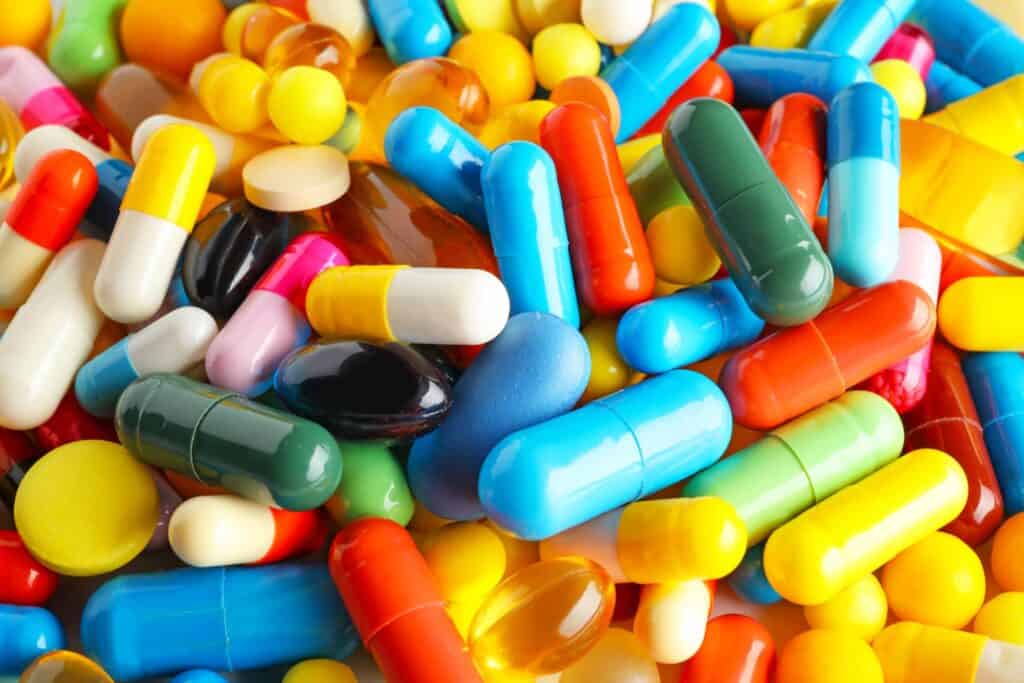
Designer drugs represent one of the most unpredictable and rapidly evolving threats in the current substance use landscape. Unlike traditional illicit substances with known chemical profiles, synthetic drugs are engineered to bypass legal classification while mimicking the effects of illegal compounds, which means their potency, composition, and risks change constantly.
Outpatient rehab Pennsylvania at MPower Wellness is available for individuals managing dependence on synthetic substances across Malvern, West Chester, Coatesville, and Chester Springs, offering evidence-based care that fits around professional and family obligations.
What Are Synthetic Drugs?
When people ask “what are synthetic drugs?”, they are looking at a complex and continuously shifting category of chemical compounds. Designer drugs are laboratory-made substances specifically created to mimic the effects of illegal drugs like cannabis, cocaine, or ecstasy. Underground chemists slightly alter the molecular structure of banned compounds to temporarily bypass legal regulations, which is why these substances are frequently marketed under deceptive labels like research chemicals or legal highs.
Since the passing of the Controlled Substances Act in 1970, illicit chemists have worked to stay ahead of scheduling laws. By the late 1990s, the development of these compounds accelerated significantly, and today, synthetic drugs flood the market in constantly changing forms. They are produced in unmonitored clandestine labs with no safety standards, no quality control, and no consistent formulation from one batch to the next.
Because these are man-made drugs whose ingredients shift rapidly, a formula sold one week may be chemically different the following week. This constant variation is what makes them exceptionally dangerous. Every dose is an unknown quantity, and the lack of any regulatory oversight means there is no floor on how potent or toxic any given batch might be.
Why the Chemical Unpredictability Matters
The unpredictability of synthetic sources of drugs creates a specific clinical problem: medical professionals cannot reliably treat overdoses when they do not know what substance was taken. First responders frequently arrive at scenes involving synthetic drug emergencies without the information needed to administer effective treatment. Many of these compounds also evade conventional drug screening, which means a clean test result provides no meaningful assurance of safety.
Different Types of Synthetic Drugs
Designer drugs are generally categorized by how they affect the human brain. The United States government has identified several distinct categories of designer drugs recognized by the DEA. Each group mimics a different traditional substance, but they often carry much higher risks.
Designer drugs are generally categorized by how they affect the brain, and the government has identified several distinct categories based on the traditional substances they are engineered to mimic. Each category carries its own risk profile, but all share the same fundamental danger of unknown potency and rapidly changing composition.
Synthetic Cannabinoids
Often marketed under names like Spice or K2, synthetic cannabinoids mimic the effects of marijuana but can be hundreds of times more potent than the natural compound. This intensity frequently produces severe anxiety, rapid heart rate, psychosis, and acute kidney injury in ways that standard cannabis does not. The misconception that these substances are a safe legal alternative to marijuana has contributed to widespread harm.
Synthetic Cathinones
Widely known as bath salts or Flakka, synthetic cathinones act as powerful central nervous system stimulants designed to mimic cocaine or methamphetamine. Their effects are often significantly more intense and unpredictable than the traditional stimulants they replicate. Because of their severe neurological and cardiovascular impact, professional meth addiction treatment protocols are frequently necessary for individuals who have developed dependence on cathinone-based compounds.
Synthetic Hallucinogens
This category includes compounds like NBOMe, engineered to mimic the effects of LSD or MDMA. These substances disrupt brain function deeply and cause unpredictable visual and auditory hallucinations that standard hallucinogens do not reliably produce. The margin between a psychoactive dose and a toxic one is extremely narrow, making accidental overdose a significant and documented risk.
Synthetic Opioids
Largely based on fentanyl analogs, synthetic opioids are designed to mimic heroin or prescription opioid painkillers but are frequently far more potent than the compounds they replicate. The risk of fatal overdose is substantial, and because many of these analogs do not respond predictably to naloxone, standard overdose reversal protocols are not always effective. Opiate addiction treatment center care is essential for individuals managing dependence on synthetic opioid compounds.
Designer Drugs and Their Street Names
The market for designer drugs is deliberately deceptive. These substances rarely circulate under their chemical names, and sellers use constantly shifting street names and packaging designed to lower suspicion. Understanding designer drugs examples and how they are presented is one of the most practical tools for recognizing potential exposure.
Many of these items are pressed into synthetic pills that are visually indistinguishable from legitimate prescription medications. A synthetic medication stamped to look like standard oxycodone may contain a fentanyl analog at an unknown concentration. The people manufacturing counterfeit synthetic pills have no interest in accurate dosing, and the consequences of that indifference are frequently fatal.
| Drug Category | Designer Drugs Examples (Street Names) | Mimicked Substance |
|---|---|---|
| Synthetic Cannabinoids | Spice, K2, Black Mamba, Fake Weed, Genie | Marijuana (Cannabis) |
| Synthetic Cathinone | Bath Salts, Flakka, Vanilla Sky, Cloud Nine | Cocaine, Methamphetamines |
| Synthetic Hallucinogens | N-Bomb, 25I, Smiles, Legal Acid | LSD, MDMA (Ecstasy) |
| Synthetic Opioids | China White, Fenty, Dance Fever, Tango and Cash | Heroin, Prescription Painkillers |
It is terrifying to realize how easily a fake pill can disguise itself. If you want a clear example of synthetic drugs, look at counterfeit pain medication. A pill stamped to look like standard oxycodone is often a deadly synthetic medication. The people making these fake pills do not care about accurate dosing.
When you review these synthetic drugs examples, the pattern of deception becomes obvious. Sellers use harmless-sounding names to hide the severe danger inside. Examples of designer drugs often sound like party supplies or herbal incense. This is a deliberate tactic to lower your guard. Understanding the reality behind any synthetic drugs example helps you see past the marketing. Staying informed about common synthetic drug examples is your best defense against accidental harm.
What Are the Dangers of Synthetic Drugs?
Because these compounds are produced in clandestine labs with no regulatory oversight, there is no reliable way to know the chemical makeup or potency of any given dose. The concentration shifts wildly between batches, and what produced a particular effect one week can be lethal the next. This is not a marginal risk. It is the defining characteristic of every synthetic drug on the market.
This hidden nature makes medical emergencies involving synthetic drugs exceptionally difficult to treat. Many of these compounds evade conventional drug screening entirely, which means that when an overdose occurs, clinicians are often working without the most basic information about what substance was taken. First responders cannot administer targeted treatment for a substance they cannot identify, and every minute spent guessing is a minute lost.
Short-Term Effects of Synthetic Drugs
The short-term effects of synthetic drugs can escalate to life-threatening physical trauma with very little warning. Because the pharmacological profile of any given batch is unknown, the body has no baseline against which to regulate its response. A dose that produces mild stimulation one day can trigger cardiovascular collapse the next.
Documented acute effects include dangerously rapid heart rate, soaring blood pressure, severe paranoia, extreme agitation, and sudden kidney injury. Seizures have been reported even in first-time users. The complete absence of a consistent formulation means that every use functions as an uncontrolled clinical experiment. There is no established safe dose, no reliable ceiling on potency, and no way to predict how the central nervous system will respond until it already has.
Long-Term Effects and Organ Damage
The dangers of synthetic drugs don’t disappear after the acute phase. Repeated exposure causes cumulative damage to the brain, cardiovascular system, kidneys, and liver. Chronic synthetic cannabinoid use has been linked to persistent psychosis that does not resolve after stopping the substance. Prolonged stimulant cathinone use produces structural changes in the brain similar to those seen in long-term methamphetamine users. Synthetic opioid exposure at high concentrations causes hypoxic brain injury that affects cognitive function, memory, and emotional regulation in ways that can be permanent.
These long-term consequences develop faster than most people expect because the potency of synthetic compounds is so much higher than the traditional substances they mimic. The damage accumulates at an accelerated rate, often before the user recognizes that a clinical problem has developed.
The Chemical Risk Is Real, But So Is the Path to Recovery
You can receive high-level medical support without sacrificing your career or family duties. An outpatient rehab Pennsylvania program offers therapy and medical oversight while you live at home. This allows you to practice your new coping skills in the real world immediately. You deserve a provider with deep experience and a track record of positive outcomes. Take that vital step today, and reach out for a private, personalized assessment.
Facing a dependency on designer drugs can feel isolating, but you have the power to change your story. Understanding the unpredictable nature of these substances is the first step toward reclaiming your health. By choosing to seek professional help, you actively take back control of your life and your future. If you are ready to rebuild your personal capability, reach out to MPower Wellness of Exton. You can contact us to speak privately with our compassionate team by calling (484) 517-3005 today. We will help you build a practical, flexible plan that fits your life and respects your dignity.
FAQ
Designer drugs are synthetic drugs created in laboratories to mimic the effects of other drugs such as cocaine, marijuana, heroin, ecstasy, or amphetamines. Many synthetic drugs are classified as new psychoactive substances because they are chemically altered versions of controlled substances designed to bypass drug laws. Common examples include synthetic marijuana, synthetic cannabinoids, synthetic cathinone known as bath salts, synthetic stimulants, and novel benzodiazepines. These synthetic compounds are often sold online, in gas stations, or through illegal drug markets despite serious public health concerns.
Synthetic drug use is dangerous because many synthetic substances contain unknown chemicals and unpredictable doses that can severely affect the brain and body. Unlike naturally occurring drugs, synthetic analogs are often much stronger and more toxic. The effects of synthetic drugs may include rapid heart rate, chest pain, hallucinations, anxiety, paranoia, seizures, vomiting, high blood pressure, and dangerous changes in behavior. Some synthetic opioid compounds and cannabinoids have also been linked to overdose deaths and severe toxic effects reported by healthcare providers and public health agencies.
Common examples of designer drugs include synthetic cannabis products like Spice and K2, synthetic cathinone called bath salts, N Bomb hallucinogens, synthetic opioids related to fentanyl, and synthetic stimulants designed to mimic methamphetamine, cocaine, or MDMA. Some synthetic cannabinoids are marketed as legal alternatives to marijuana even though they can be far more harmful. According to organizations like the Drug Enforcement Administration and the National Institute on Drug Abuse, new synthetic drugs continue emerging rapidly, making it difficult for authorities and healthcare professionals to determine their exact chemical makeup and risks.
Yes. Many synthetic drugs can lead to addiction, dependence, and severe withdrawal symptoms. Repeated substance use may change how the brain responds to dopamine, stress, pleasure, and emotions, increasing the risk of compulsive drug use. People using synthetic stimulants, synthetic opioids, or synthetic cannabinoids may experience cravings, mood swings, insomnia, nausea, anxiety, depression, and physical illness during withdrawal. Because the chemicals in many synthetic substances are unknown, treatment can sometimes be more medically complicated than with other drugs.
Treatment for addiction to synthetic drugs often involves medical supervision, detox support, therapy, mental health treatment, and long term addiction recovery planning. Since many synthetic compounds affect the brain differently, professional treatment is important to monitor dangerous symptoms like seizures, hallucinations, rapid heart rate, or psychosis. Treatment programs may also help people address co occurring mental health concerns, substance use disorders, and the emotional causes behind drug use. Support groups, counseling, family support, and continued education can help people safely recover and reduce the risk of relapse.
Sources
National Institutes of Health. (September 29, 2023). Designer drugs. National Institutes of Health.
National Institutes of Health. (April 6, 2020). Designer drugs: mechanism of action and adverse effects. National Institutes of Health.
Indian Health Service. Designer Drugs. Indian Health Service.
Drug Enforcement Administration. (January 21, 2025). Drug fact sheets. Drug Enforcement Administration.
Drug Enforcement Administration. Slang terms and code words: a reference for law enforcement personnel. Drug Enforcement Administration.
Rhode Island Department of Behavioral Healthcare, Developmental Disabilities, and Hospitals. Drug slang. Rhode Island Department of Behavioral Healthcare, Developmental Disabilities, and Hospitals.
National Institute on Drug Abuse. NIDA – commonly used drugs charts. National Institute on Drug Abuse.
Substance Abuse and Mental Health Services Administration. (November 7, 2024). What are stimulants? Side effects, short and long term. Substance Abuse and Mental Health Services Administration.
Substance Abuse and Mental Health Services Administration. (October 16, 2014). Drug-related emergency department visits involving synthetic cannabinoids. Substance Abuse and Mental Health Services Administration.
National Institutes of Health. (April 25, 2018). The new classes of synthetic illicit drugs can significantly interfere with serotonin and dopamine systems. National Institutes of Health.
Substance Abuse and Mental Health Services Administration. (September 19, 2015). Update: drug-related emergency department visits involving synthetic cannabinoids. Substance Abuse and Mental Health Services Administration.
Drug Enforcement Administration. About synthetic drugs. Drug Enforcement Administration.
Substance Abuse and Mental Health Services Administration. (May 20, 2014). The DAWN report: drug-related emergency department visits involving synthetic cannabinoids. Substance Abuse and Mental Health Services Administration.
District of Columbia Office of the Attorney General. (February 1, 2004). Dangers of synthetic drugs. District of Columbia Office of the Attorney General.
National Institute on Drug Abuse. (April 7, 2016). Synthetic cannabinoids. National Institute on Drug Abuse.
National Institutes of Health. Designer drugs: past history and future prospects. National Institutes of Health.
Food and Drug Administration. (January 30, 2023). Milestones in US food and drug law. Food and Drug Administration.
Arizona State University Academy for Justice. (April 4, 2023). Controlled substances act at 50. Arizona State University.
National Institutes of Health. The clandestine drug laboratory situation in the United States. National Institutes of Health.
Washington State Patrol. (April 1, 2024). Clandestine laboratory analysis. Washington State Patrol.
Drug Enforcement Administration. (April 1, 2025). Clandestine drug labs in the United States. Drug Enforcement Administration.
New York Office of Addiction Services and Supports. Synthetic cannabinoids. New York Office of Addiction Services and Supports.
National Institutes of Health. (August 23, 2017). Synthetic cathinone and cannabinoid designer drugs pose a major risk for psychiatric patients. National Institutes of Health.
National Institutes of Health. (February 8, 2025). Clinical and public health challenge of handling synthetic cathinones and cannabinoids. National Institutes of Health.
Centers for Disease Control and Prevention. (August 1, 2023). About synthetic cannabinoids. Centers for Disease Control and Prevention.
Drug Enforcement Administration. Counterfeit pills. Drug Enforcement Administration.
Pacific Northwest National Laboratory. Fentanyl analogs. Pacific Northwest National Laboratory.
National Institutes of Health. (January 9, 2019). Non-medical use of novel synthetic opioids: a new challenge to public health. National Institutes of Health.
National Institutes of Health. (July 8, 2016). Synthetic cannabinoids to avoid urine drug screens. National Institutes of Health.
University of Illinois at Chicago. What drugs are likely to interfere with urine drug screens? University of Illinois at Chicago.
National Institutes of Health. (June 1, 2014). Substance abuse intensive outpatient programs. National Institutes of Health.
San Diego County. (February 18, 2026). Substance use outpatient services. San Diego County.
Centers for Medicare & Medicaid Services. Mental health care (intensive outpatient program services). Centers for Medicare & Medicaid Services.
Substance Abuse and Mental Health Services Administration. (June 9, 2023). National helpline for mental health, drug, alcohol issues. Substance Abuse and Mental Health Services Administration.
University of California San Diego. Substance use disorder care. University of California San Diego.
United States Geological Survey. (January 1, 2016). Chester county, Pennsylvania land change animation. United States Geological Survey.
Pennsylvania Spatial Data Access. Search results. Pennsylvania Spatial Data Access.