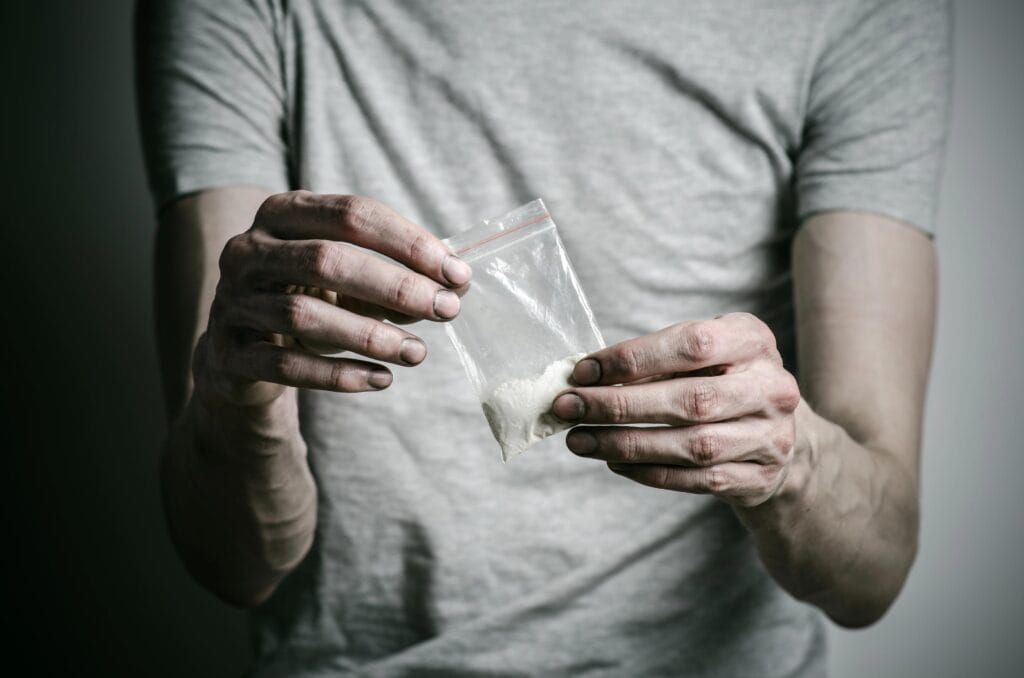
When you stop using cocaine, the first thing you’ll probably notice is a sudden and jarring emptiness, as if all the excitement and pleasure in your brain have been switched off at once. The emotional crash can feel overwhelming, flooding you with exhaustion, craving, and a deep sense of unease. If you’ve ever wondered, “what does cocaine withdrawal feel like?” knowing the exact symptoms and timeline can make this experience feel less terrifying and more manageable. By understanding what’s happening to your mind and body, you’re already beginning to regain a sense of control and move toward healing.
What Is Cocaine Withdrawal?
What does coming down from cocaine actually feel like? It often feels like a sudden drop into deep sadness and severe exhaustion. This crash happens because of a massive shift in your brain chemistry. Cocaine creates intense euphoria by flooding your mind with dopamine.
Your brain adapts to this flood by turning down its own natural dopamine production. When the drug leaves your system, your dopamine levels crash hard. This leaves your brain completely depleted and unable to function normally. You will likely struggle to feel any natural pleasure or reward.
It is incredibly important to know that this is not a personal failure. You are simply dealing with a temporary dependence. Your brain is reacting to a chemical imbalance. The World Health Organization notes that about 2 million people in the U.S. used cocaine in the past month.
You are absolutely not alone in facing this challenge. A professional cocaine addiction treatment program understands exactly how to treat this condition safely, often beginning with supervised detox centers in Pennsylvania to manage the most intense early symptoms. Extensive research confirms that drug use changes the brain over time. However, the brain is resilient and can recover. Recognizing the physical cause of your distress is a powerful first step toward true healing.
The Physical and Psychological Cocaine Withdrawal Symptoms
People often ask about the specific signs of a cocaine crash. The symptoms of cocaine withdrawal are generally different from those of opioid or alcohol detox. You will face a heavy psychological burden rather than a severe physical illness.
Recognizing these cocaine withdrawal symptoms is an important step forward. These uncomfortable feelings are proof that your body is beginning to heal. Understanding what is happening can help you stay grounded.
Psychological Cocaine Withdrawal Symptoms
The mental aspect of cocaine detox symptoms can be overwhelming. You may experience intense craving for the drug. Mood swings and extreme irritability are very common during this time.
Many people face deep depression and a total lack of motivation. In some cases, severe paranoia or hallucinations can occur. These mental health challenges require careful attention and professional support. Finding proper Depression Treatment Philadelphia can make this phase much safer.
Physical Cocaine Withdrawal Symptoms
Physical symptoms of stimulant withdrawal are less dangerous but still exhausting. You will likely experience extreme fatigue and overall sluggishness. This slowing of movement and thought is called psychomotor retardation.
Sleep disturbances are another major physical hurdle. You might sleep for days initially, followed by severe insomnia. Your appetite will likely increase sharply as your body demands energy. Acknowledging this physical exhaustion helps you give yourself grace while recovering.
Cocaine Withdrawal Symptom Timeline: How Long Does It Last?
Understanding the cocaine withdrawal timeline can bring a sense of relief. The journey is not forever, and the worst symptoms will pass. The process generally happens in three distinct phases over time.
| Withdrawal Phase | Timeframe | Primary Symptoms |
|---|---|---|
| The Initial Crash | First 24-48 hours | Intense sleep, deep depression, extreme fatigue. |
| Acute Withdrawal | 1-2 weeks | Intense cravings, mood swings, anxiety, irritability. |
| Protracted Withdrawal | Weeks to months | Mild cravings, emotional blunting, sleep disturbances. |
The Initial Crash (First Few Days)
The initial crash happens within hours of your last use. Cocaine crash symptoms hit hard and fast as dopamine drops. You may feel profound sadness and an inability to feel joy. During this time, people often sleep for 24 to 48 hours straight. Your body is desperately trying to recover from intense overstimulation.
Acute Withdrawal (1-2 Weeks)
The acute withdrawal phase begins after you wake from the crash. This period usually lasts for one to two weeks. You will likely experience intense craving and frequent mood swings. Your energy levels will fluctuate wildly from day to day. Anxiety and irritability peak during this challenging middle phase. Staying focused on your recovery goals is crucial here.
Protracted Withdrawal (Weeks to Months)
The final stage is known as the protracted withdrawal phase. This period can last for several weeks or even months. You might deal with lingering emotional blunting and mild cravings. Your brain is slowly learning how to regulate dopamine naturally again. Ongoing clinical support helps you manage these lingering psychological effects safely.
The Unique Dangers: Mental Health and The Cocaine Crash
The psychological nightmare of a cocaine crash is a severe medical concern. The sudden drop in dopamine creates overwhelming feelings of hopelessness. A 2022 clinical study found that 27% of people using cocaine have attempted suicide.
This high risk makes mental health monitoring absolutely vital during detox. The profound depression you feel is incredibly heavy. It is crucial to remember that these feelings are a chemical symptom. The despair is not your actual reality.
Co-occurring mental health conditions like anxiety, depression, and trauma often surface or intensify during withdrawal. This is why dual diagnosis treatment centers in PA play such a critical role in early recovery. Treating both substance use and underlying mental health concerns at the same time produces significantly stronger long-term outcomes than addressing either issue alone.
Factors That Influence the Withdrawal Timeline
Everyone experiences withdrawal differently, and there is no wrong way to heal. Several factors determine the severity and length of your specific timeline.
- Length of use: Long-term use builds deeper physical dependence.
- Dosage and purity: High doses of pure powder or crack cocaine increase tolerance faster.
- Polysubstance use: Mixing stimulants with alcohol or opioids complicates your detox timeline.
- Individual metabolism: Your unique biology processes and clears substances at its own pace.
- Co-occurring mental health: Existing depression or anxiety can make psychological symptoms feel heavier.
Understanding these variables helps you set realistic expectations for your recovery.
Detoxing From Cocaine: Do I Need Medical Detox?
Many people wonder if medical detox is truly necessary for stimulants. Detoxing from cocaine is rarely physically fatal compared to alcohol withdrawal. However, the psychological risks make clinical oversight incredibly important.
The severe depression and intense cravings lead to a high risk of relapse. Medical professionals provide a safe, structured environment to protect you. They offer supportive medications through professional medication management to ease anxiety and improve sleep.
Behavioral therapy begins immediately to help you cope with the emotional crash. Asking for medical help is a strategic and empowered choice. It shows that you are ready to reclaim control of your life safely.
Treatment Options After Cocaine Detox
Detox is only the first step. Lasting recovery requires ongoing therapeutic support to address the behavioral and emotional patterns driving cocaine use. Several levels of care can support you depending on your needs.
Inpatient Residential Treatment
Inpatient drug rehab PA provides 24-hour medical and emotional support in an immersive setting. This level of care suits those needing maximum structure during the earliest, most vulnerable phase of recovery.
Partial Hospitalization Program
A partial hospitalization program Pennsylvania offers structured daily treatment while allowing you to return home in the evenings. PHP delivers nearly the same clinical intensity as residential care with more independence.
Intensive Outpatient Program
An intensive outpatient program Pennsylvania provides multiple therapy sessions per week while you maintain work or school responsibilities. IOP builds practical relapse prevention skills in real time.
Standard Outpatient Care
Outpatient Rehab Pennsylvania maintains long-term progress with weekly therapy and ongoing clinical support. This phase protects the gains made during higher levels of care.
Evidence-Based Therapies
Core therapies that support cocaine recovery include CBT therapy Philadelphia, which helps rewire the thought patterns that drive cravings, and dialectical behavior therapy Philadelphia, which teaches emotion regulation skills. Many clients also benefit from group therapy Philadelphia for peer accountability and connection.
Reclaim Your Power and Start Healing Today
Understanding the timeline and symptoms of withdrawal removes the fear of the unknown. The crash is deeply uncomfortable, but it is a temporary chemical reaction. Medical oversight ensures that you remain safe from severe depression and early relapse. You have the strength to navigate this process and rebuild a meaningful life. If you are ready to explore outpatient treatment in Chester County, call (484) 517-3005 today. Learn more about our specialized care at MPower Wellness of Exton. Reclaiming your personal power begins with one practical decision to ask for support. Contact us now.
FAQs
Cocaine withdrawal often feels emotionally and mentally exhausting rather than physically painful. Many people experience intense cravings, low mood, anxiety, fatigue, excessive sleep, irritability, and difficulty concentrating after stopping cocaine. Because cocaine’s effects heavily impact dopamine levels in the brain, the withdrawal process can leave people feeling emotionally drained, unmotivated, and disconnected as the brain adjusts to functioning without the drug.
Common cocaine withdrawal symptoms include depression, mood swings, sleep disturbances, insomnia, increased appetite, muscle aches, fatigue, strong cravings, and trouble focusing. Some people also experience psychological symptoms such as anxiety, paranoia, emotional instability, and suicidal thoughts during substance withdrawal. Symptoms of cocaine withdrawal can vary depending on several factors including cocaine use history, crack cocaine versus powdered cocaine use, physical dependence, and whether alcohol or other substances were also involved.
The length of cocaine withdrawal depends on multiple factors including how long the person used cocaine, how frequently they used it, and whether other drugs or substances were involved. Many people experience the strongest withdrawal symptoms during the first several days, followed by emotional effects and cravings that may continue for weeks or even months. While physical symptoms often improve earlier in recovery, psychological effects such as anxiety, depression, and cravings can linger longer without the right support and treatment.
Cocaine withdrawal is not usually considered as physically dangerous as withdrawal from alcohol or certain other drugs, but it can still create serious mental health concerns. Some people experience severe depression, suicidal thoughts, emotional instability, or risky behaviors during withdrawal and early recovery. Cocaine abuse may also increase the risk of heart attack, sleep problems, and complications related to other substances being used alongside cocaine. Because of these risks, medical supervision, addiction treatment, and ongoing support are often recommended during cocaine detox and recovery.
Recovery from cocaine addiction often involves addiction treatment, therapy, support groups, outpatient care, group therapy, and relapse prevention support. Treatment options may help people understand the emotional and physical symptoms connected to substance abuse while developing healthier coping skills for long term recovery. With the help of a medical director, treatment team, or supportive loved one, many people are able to overcome addiction, reduce cravings, and build a healthier drug free life over time.
Sources
National Institute on Drug Abuse. (2024). The Neurobiology of Cocaine Addiction. PMC – NIH.
SAMHSA. (June 9, 2023). National Helpline for Mental Health, Drug, Alcohol Issues. SAMHSA.
Learn Genetics. (2024). Drug Use Changes the Brain Over Time. University of Utah.
American Society of Addiction Medicine. (August 3, 2021). ASAM Clinical Guidelines. American Society of Addiction Medicine.
Centers for Disease Control and Prevention. (2025). National Surveillance of Cocaine Use and Related Health. CDC.
National Library of Medicine. (March 23, 2026). Clinical Guidelines for Withdrawal Management and Treatment of Substance Use Disorders. NCBI Bookshelf.