If you’ve heard the term “hashish” but aren’t sure what it is, you’re not alone. With the cannabis landscape constantly changing, it can be tough to keep up with the different products available. Maybe you’re worried about a friend or family member, or perhaps you’re trying to understand the potential risks for yourself. It’s okay to have questions, and getting clear, honest answers is the first step toward making informed decisions. Let’s walk through what hashish is, how it differs from marijuana, and what its use might mean for your health and well-being.
What Is Hashish and How Is It Different From Marijuana?
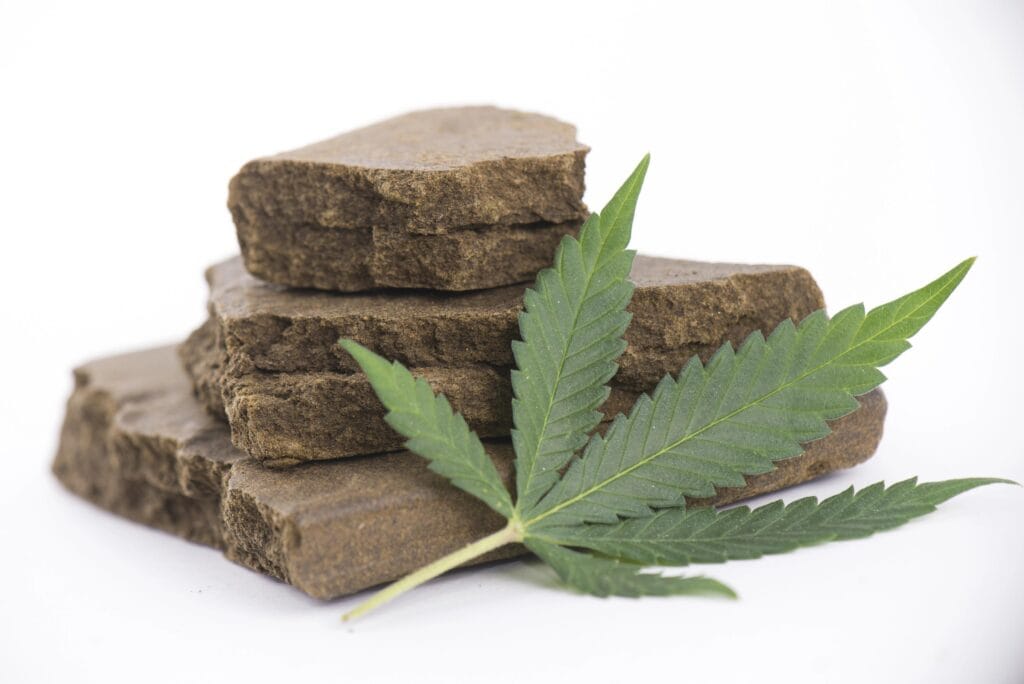
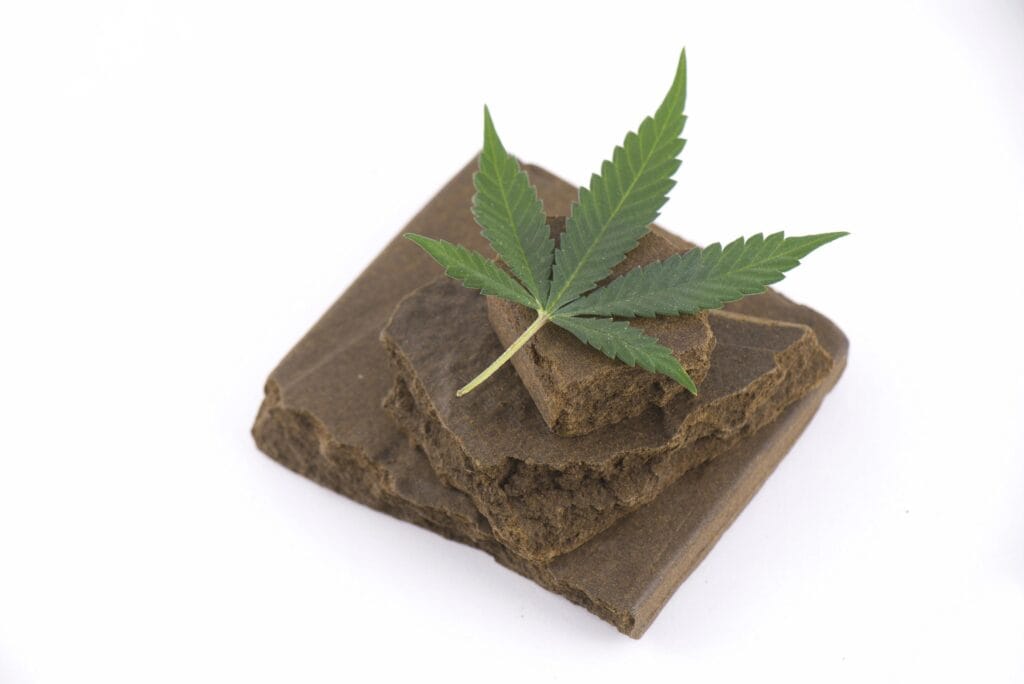
Hashish, often called hash, is a concentrated form of cannabis. It’s made by separating the resin glands, or trichomes, from the cannabis plant and compressing them into a solid block, which can be brown or golden in color. Think of it this way: if you imagine the cannabis plant, marijuana is the dried flower, while hashish is the potent resin collected from those flowers. This substance has a long history, with its origins tracing back thousands of years to Central Asia and the Middle East, where it was used in cultural and medicinal practices.
The main difference between hashish and marijuana comes down to potency. Because it’s a concentrate, hashish has a much higher concentration of THC, the main psychoactive compound in cannabis. While marijuana flower typically contains 10-30% THC, the THC content in hashish can range anywhere from 20% to 80%. This significant difference in cannabinoids means the effects of hashish can be much stronger and more immediate, which also increases the associated risks. Understanding the distinction is crucial, as the rising THC concentrations in cannabis products can lead to more severe health implications. For those seeking more information on different forms of cannabis, learning about marijuana addiction and its various forms can provide a broader context.
Short and Long-Term Effects and Risks of Hashish
The high concentration of THC in hashish leads to a range of effects, which can vary from person to person. It’s important for users to be aware of both the immediate feelings it can produce and the potential long-term harm it can cause.
- Short-Term Effects: Immediately after use, many people experience a sense of euphoria or relaxation. Senses may feel heightened, and the perception of time can become distorted. However, not all short-term effects are pleasant. Some individuals may experience anxiety, paranoia, confusion, or impaired coordination and memory.
- Long-Term Risks: With regular use, the risks become more serious. Long-term users may face cognitive challenges, such as difficulty with memory and problem-solving. There’s also a significant risk of developing dependency. Furthermore, research has linked heavy cannabis use to mental health issues, including an increased risk for depression, anxiety, and in some cases, psychosis.
Another often-overlooked danger is the presence of adulterants. To increase weight and profit, hashish can be mixed with other substances, including materials like tea leaves, which introduce caffeine and other unknown elements. This makes it impossible to know exactly what you’re consuming. Unfortunately, perceptions of harm among youths have shifted.
For instance, one report noted a decline in how risky teens perceive regular marijuana use. This changing attitude, combined with the availability of high-potency products like hashish, creates a concerning environment for young people. You can learn more about the risks and side effects of marijuana from health authorities.
Understanding Hashish Addiction and Dependency
It’s a common misconception that marijuana and its derivatives aren’t addictive. The reality is that regular use of a high-potency substance like hashish can lead to a condition known as Cannabis Use Disorder (CUD). This is a recognized medical condition where a person is unable to stop using cannabis even though it’s causing health and social problems in their life.
Because hashish is so potent, dependency can develop more quickly than with lower-THC marijuana. If you’re worried that your use or a loved one’s use is becoming a problem, here are some common signs of addiction to watch for:
- Needing to use more hashish to get the same effect (tolerance).
- Experiencing withdrawal symptoms like irritability, anxiety, or trouble sleeping when not using.
- Spending a lot of time thinking about, obtaining, or using the substance.
- Continuing to use despite negative consequences at work, school, or in relationships.
- Trying to cut back or stop but being unable to do so.
Recognizing these signs is the first, most courageous step toward getting help. You don’t have to navigate this alone; effective treatment and support are available.
Pathways to Recovery: Treatment for Hashish Addiction
If you recognize the signs of hashish dependency in yourself or someone you care about, please know that recovery is entirely possible. Professional treatment offers a hopeful and effective path forward, providing the tools and support needed to build a life free from substance use. At MPower Wellness, we offer compassionate, evidence-based care tailored to your unique needs.
Our outpatient programs provide the flexibility to get help while maintaining your daily responsibilities like work, school, or family commitments. Because hashish use can sometimes be linked to underlying mental health conditions like anxiety or depression, it’s crucial to address both issues at the same time. Our dual diagnosis treatment is designed to do just that, offering integrated care for co-occurring disorders. We use proven therapies like cognitive behavioral therapy (CBT) to help you develop healthy coping skills, manage triggers, and create lasting change.
Frequently Asked Questions
Hashish production involves collecting and compressing the resin from cannabis sativa or cannabis indica plants. Methods like dry sift and bubble hash separate the trichomes from plant material, which are then pressed into a concentrated form. In some regions like Northern Africa and the Middle East, traditional techniques are still widely used to create pure hashish.
Hashish produces psychoactive effects similar to marijuana but often stronger due to its high concentration of THC. Common effects include altered perception, heightened sensory perception, increased appetite, and dry mouth. Some users may also experience anxiety, distorted perception, or difficulty with problem solving, especially with higher doses.
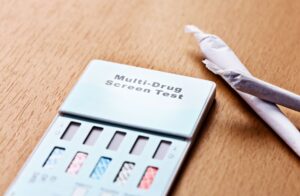
Yes, hashish use can be detected through standard urine testing methods. THC from cannabis flower products is stored in fatty tissues and can remain in the body for extended periods, especially in heavy chronic users. This means hash users may test positive for cannabis even days or weeks after use.
Taking the First Step Toward Wellness
Navigating the world of cannabis flower products like hashish can be confusing, but one thing is clear: its high potency carries real risks, including the potential for addiction. Understanding these risks, from its impact on mental health to the faster development of dependency due to high THC levels, is key to making choices that protect your well-being. But just as important is knowing that if use has become a problem, it is a treatable condition.
Reaching out for help is not a sign of weakness; it’s a powerful act of strength and self-care. At MPower Wellness of Exton, we see that strength in every person who walks through our doors. We offer supportive pathways to recovery, such as dual diagnosis programs that address both substance use and mental health together, providing a solid foundation for healing.
You don’t have to figure this out on your own. The first step is simply starting a conversation. If you’re ready to explore your options for treatment, call us at (484) 517-3005 or contact us online to speak with a member of our compassionate team. We are here to provide the help and support you deserve.
Sources
- National Institute on Drug Abuse. (September 24, 2024). Cannabis (marijuana). National Institute on Drug Abuse.
- Yale School of Medicine. (August 30, 2023). Not your grandmother’s marijuana: Rising THC concentrations in cannabis can pose devastating health risks. Yale School of Medicine.
- National Institute on Drug Abuse. (December 17, 2025). Reported use of most drugs remains low among U.S. teens. National Institute on Drug Abuse.
- Substance Abuse and Mental Health Services Administration. (September 9, 2025). Know the effects, risks and side effects of marijuana. Substance Abuse and Mental Health Services Administration.
- National Center for Biotechnology Information. (January 15, 2016). Neuropsychological consequences of chronic drug use. National Center for Biotechnology Information.
- Centers for Disease Control and Prevention. (December 5, 2024). Understanding your risk for cannabis use disorder. Centers for Disease Control and Prevention.
- National Center for Biotechnology Information. (March 20, 2024). Cannabis use disorder. National Center for Biotechnology Information.
- Substance Abuse and Mental Health Services Administration. (October 1, 2015). Brief counseling for marijuana dependence: A manual for treating adults. Substance Abuse and Mental Health Services Administration.
- Substance Abuse and Mental Health Services Administration. (September 26, 2025). Managing life with co-occurring disorders. Substance Abuse and Mental Health Services Administration.