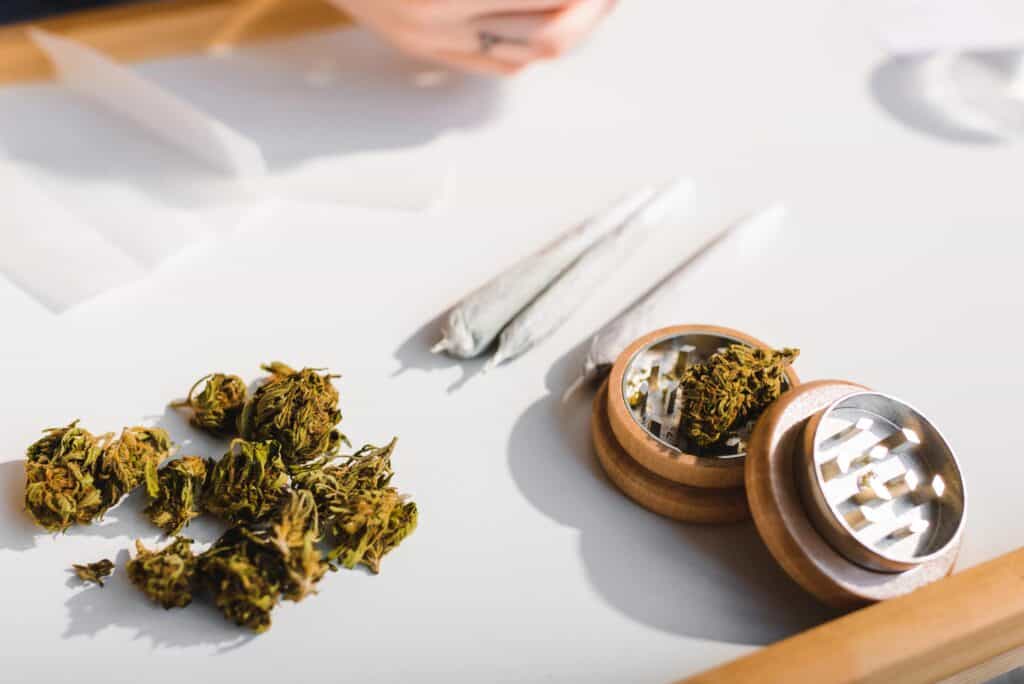
Someone mentions “Zaza,” and you cannot tell whether they are talking about a trendy strain of weed or something far more dangerous. That confusion is exactly why so many parents and loved ones search for “what does Zaza mean?” The word points to two completely different things: a slang term for high-potency cannabis, or a brand of addictive gas station pills that contain tianeptine. Telling them apart matters, because one is a recreational drug and the other has been linked to overdoses and death. Knowing which substance you are dealing with is the first step to keeping someone you love safe.
What Does “Zaza” Mean? Cannabis Slang vs. Tianeptine Pills
When you ask what Zaza means, context is everything. The term represents two entirely different substances. One is a trendy slang word for marijuana. The other is a highly addictive, unapproved supplement. It is incredibly easy for parents, teachers, and even medical professionals to confuse the two meanings.
Sometimes, people hear the word and get entirely lost. You might even wonder what zazen means. That term actually refers to a type of seated meditation. It has nothing to do with modern drug trends. In today’s culture, the word you are hearing is almost certainly Zaza.
| Feature | Zaza (Cannabis Slang) | Zaza (Tianeptine Pills) |
|---|---|---|
| What it is | Premium, high-potency marijuana flower or concentrates. | An unregulated synthetic antidepressant drug. |
| Where it is found | Dispensaries, social media, and street sales. | Gas stations, vape shops, and convenience stores. |
| Primary Effects | Strong psychoactive highs, altered perception, relaxation. | Opioid-like euphoria, sedation, and pain relief. |
| Addiction Risk Level | Moderate, but requires clinical care for severe dependency. | Extremely high, causing severe physical withdrawal. |
Understanding this difference is critical for your family’s safety. Many people believe they are simply dealing with a trendy cannabis product. In reality, they might be facing a life-threatening synthetic chemical. If you are concerned about your loved one’s substance use, marijuana addiction treatment can provide a safe path forward. You do not have to navigate this confusion alone. Professional guidance can help you find clarity and a practical solution.
On one hand, this word is primarily slang for high-quality, exotic cannabis, usually describing premium strains with very high THC levels. On the other hand, Zaza is a specific brand name for over-the-counter supplements. These pills contain tianeptine, an unregulated and potentially dangerous substance that is highly addictive and acts much like an opioid in the brain.
If someone you love is using tianeptine, finding effective prescription drug addiction treatment is a crucial step toward preventing severe health consequences. Knowing which version is being discussed can literally save a life. The U.S. Food and Drug Administration has issued strict warnings about these pills. You are not alone in finding this confusing, and breaking down each form gives you the clarity you need to keep your loved ones safe.
Zaza Meaning in Weed Culture
The word Zaza has a fascinating history in modern language. It did not start as a brand name or a scientific term. Instead, it grew organically from street culture and music. In the late 2010s, rappers and dealers in the South needed a quick code word. They started with the word “exotic” to describe rare marijuana. Over time, they shortened “exotic” to “za-tic” in casual conversation. Eventually, that became “za” and then doubled into “Zaza.” The term quickly went viral on social media platforms.
Zaza as High-Potency Cannabis
People often ask what kind of smoke Zaza actually is. In the cannabis community, the term describes elite, top-shelf flower. These specific strains are known for being visually striking. They usually feature vibrant colors and emit a pungent, aromatic smell.
More importantly, these products carry extremely high THC levels. Decades ago, average cannabis contained roughly four percent THC. Today, premium strains routinely test above twenty percent. Some concentrates and oils push those levels past sixty percent. This massive increase in potency means the drug impacts the brain much more intensely.
Zaza Slang: Unraveling the Cultural Significance
The cultural impact of this slang is massive. It’s a common piece of Gen Z slang used across the internet. Young people use the word to signal wealth, status, and luxury. Smoking this specific type of cannabis is seen as a sign of having the best of the best.
However, the term has broadened significantly. Today, many teenagers use the word to describe almost any type of weed. This casual language normalizes high-potency drug use among youth. It makes powerful substances seem like harmless, trendy lifestyle choices. Acknowledging this cultural shift helps parents understand the pressures their children face online.
Health Risks of High-Potency Cannabis
The potency of modern Zaza is not just a marketing point; it changes how the drug affects the body and brain. Regular use of high-THC cannabis raises the risk of cannabis use disorder, a condition marked by cravings, tolerance, and an inability to cut back despite negative consequences. Heavy users can also develop cannabinoid hyperemesis syndrome, which causes cycles of severe nausea and vomiting that often send people to the emergency room.
The mental health effects deserve just as much attention. High-potency products have been linked to increased anxiety, paranoia, and, in vulnerable people, a higher risk of psychosis. Because the brain keeps developing into the mid-twenties, teenagers and young adults who use potent cannabis regularly face the greatest risk of lasting cognitive and emotional harm.
None of this means every person who tries Zaza will develop a serious problem, but the higher the potency, the harder it becomes to predict how the drug will affect any given person. For someone already living with anxiety, depression, or a family history of substance use, potent cannabis can quietly deepen those struggles over time.
Tianeptine: The Core Substance Behind Zaza
While the cannabis slang is popular, the other form of Zaza is incredibly dangerous. In many gas stations and convenience stores, you will find brightly colored pills sold under this exact name. These products contain a drug called tianeptine. This is an unregulated antidepressant that is not approved for medical use in the United States.
How Tianeptine Ended Up on Store Shelves
Tianeptine was originally developed decades ago as an antidepressant and is still prescribed in some countries. It was never approved for any medical use in the United States, which is exactly what lets manufacturers sell it in a legal gray area. By labeling the pills as dietary supplements or research chemicals, sellers sidestep the oversight that governs actual medications.
That marketing is a big part of why Zaza pills are so dangerous. Colorful packaging and store-shelf availability make the product feel harmless, so buyers rarely suspect they are taking something that behaves like an opioid. Many people first reach for it hoping to ease anxiety, low mood, or opioid withdrawal, and only later realize they have traded one dependence for another.
Manufacturers exploit legal loopholes to sell these pills as dietary supplements. Because the bottles look professional, many people assume they are safe. However, tianeptine interacts directly with the brain’s mu-opioid receptors, creating a powerful high that mimics prescription painkillers.
The scale of the problem is growing fast. United States poison control centers saw a 24-fold increase in tianeptine calls between 2014 and 2019, and reports have continued to climb since then.
Why Is Zaza Dangerous?
The dangers of these synthetic pills cannot be overstated. Public health officials frequently refer to this drug as gas station heroin. The risks are severe and escalate quickly.
- Overdose risk: The FDA has linked these products to serious harm, overdoses, and death.
- Severe toxicity: High doses cause respiratory depression, coma, and cardiovascular failure.
- Adulteration: These pills are completely unregulated, meaning they could be laced with fentanyl or other deadly chemicals.
- Rapid dependency: Users develop a massive physical tolerance in a very short amount of time.
If an overdose occurs, emergency responders often use naloxone to reverse the effects. Even so, immediate medical care is always necessary.
Recognizing the Signs of Tianeptine Use
Because tianeptine is sold in ordinary stores, its use is easy to miss. Warning signs can include empty supplement bottles with names like Zaza or Tianaa, taking far more of a product than the label suggests, and defensiveness about a daily supplement. Physical clues often mirror opioid use, including drowsiness, small pupils, slowed breathing, and mood swings that track with when the next dose is due.
Tianeptine Withdrawal: Symptoms and Timeline
People frequently wonder if these gas station pills are truly addictive. Studies show that a vast majority of users meet clinical criteria for opioid-type dependence. When someone tries to stop taking the pills, they experience agonizing withdrawal symptoms such as severe agitation, muscle pain, vomiting, and intense cravings.
Withdrawal often begins within just a few hours of the last dose, and that rapid onset makes quitting cold turkey at home both miserable and risky. Because the symptoms can be so intense, medically supervised care is essential during the earliest stage of recovery. Once someone is stabilized, a structured prescription drug addiction treatment program offers the best chance at lasting healing. You can learn more about these severe risks directly from the U.S. Food and Drug Administration.
Finding Lasting Support for Zaza Drug Misuse
Discovering that you or a loved one is struggling with Zaza misuse can be frightening. Whether the issue involves high-potency cannabis or dangerous tianeptine pills, you are not out of options. Addiction is never a failure of character or a lack of willpower. It’s a complex health condition that responds well to the right clinical care.
If you live in Chester County or the surrounding Main Line suburbs, help is right in your community. You do not have to leave your family or your job to get well. Outpatient treatment lets you reclaim your footing while staying connected to your daily life. It takes courage to ask for help, but that first step changes everything.
Treatment and Recovery Options at MPower Wellness
At MPower Wellness of Exton, we focus on rebuilding your capability and agency with evidence-based programs designed around your specific needs. Our partial hospitalization program in Pennsylvania provides intensive daily support, while our Intensive Outpatient Program offers more flexibility for those transitioning back into work and school.
Many people who misuse Zaza are also coping with anxiety, depression, or trauma, so our dual diagnosis treatment addresses substance use and mental health at the same time. Our clinical team uses medication management to stabilize mood and reduce cravings, paired with cognitive behavioral therapy to help you identify triggers and build healthier coping skills. Aftercare planning then keeps that progress going long after your first day of treatment.
Recovery is rarely a solo effort, which is why we involve families whenever it helps. Learning what Zaza is, how dependence develops, and how to set supportive boundaries gives the people around you the tools to encourage lasting change instead of accidentally enabling use.
Take the Next Step Toward Recovery
Understanding what does Zaza mean is the first step toward protecting yourself and your family from a hidden danger. Whether you are facing the impact of high-potency cannabis or a serious dependence on gas station tianeptine pills, you have the power to change the story. Recovery is about rebuilding your identity and finding a capable, purposeful version of yourself, and you do not have to struggle in silence. Reach out to MPower Wellness of Exton today by calling (484) 517-3005, and let us help you reclaim your agency and build a healthier life right here in Chester County.
FAQs
If you’re wondering what does zaza mean, the answer depends on the context. In cannabis culture, zaza is a slang term used to describe premium, high-potency cannabis or exotic strains with unique flavors, aromas, and genetics. The term became popular through rap lyrics, social media, and Gen Z slang. However, in some cases, “zaza” may also refer to zaza pills, which are unrelated to marijuana and often contain tianeptine, a potentially dangerous substance sometimes called “gas station heroin.” Understanding the context is important because the health risks are very different.
Not exactly. While zaza weed refers to high-quality or exotic cannabis strains, it is not a specific strain of marijuana. Instead, the term is often used to describe cannabis with higher THC levels, premium genetics, and distinctive colors, flavors, or effects. However, because “zaza” is slang rather than a scientific classification, its meaning can vary depending on who is using the term. In some communities, it simply means “really good weed.”
Unlike zaza weed, zaza pills do not contain cannabis. They typically contain tianeptine, a substance sold as a dietary supplement in some locations despite being associated with serious health risks. Misusing these products can lead to dependence, severe withdrawal symptoms, breathing problems, confusion, seizures, and overdose. Because of these risks, many health experts advise avoiding tianeptine products and seeking immediate medical care if someone experiences concerning symptoms after taking them.
Yes. Smoking zaza, especially cannabis with high THC concentrations, can increase the risk of developing cannabis use disorder in some individuals. Regular use may contribute to tolerance, withdrawal symptoms, anxiety, panic attacks, and difficulty stopping despite negative consequences. While not everyone who uses cannabis becomes addicted, frequent or heavy use can increase the likelihood of dependence, particularly among young adults and people with underlying mental health conditions.
If cannabis or zaza use is affecting your relationships, work, school, physical health, or mental well-being, it may be time to seek professional help. Addiction treatment may include counseling, behavioral therapy, peer support groups, treatment for co-occurring mental health conditions, and other evidence-based approaches. Reaching out early can help prevent substance misuse from becoming more severe and support long-term recovery.
Sources
Centers for Disease Control and Prevention. (August 3, 2018). Characteristics of Tianeptine Exposures Reported to the National Poison Data System — United States, 2000–2017. Morbidity and Mortality Weekly Report.
U.S. Food and Drug Administration. (May 9, 2025). Tianeptine Products Linked to Serious Harm, Overdoses, Death. U.S. Food and Drug Administration.
Substance Abuse and Mental Health Services Administration. (June 9, 2023). National Helpline for Mental Health, Drug, Alcohol Issues. Substance Abuse and Mental Health Services Administration.
U.S. Drug Enforcement Administration. TIANEPTINE. DEA Diversion Control Division.
Pennsylvania Department of Human Services. (May 5, 2025). Behavioral Health MCOs. Department of Human Services.
National Institutes of Health. (June 20, 2023). From Antidepressant Tianeptine to Street Drug ZaZa. PMC – NIH.