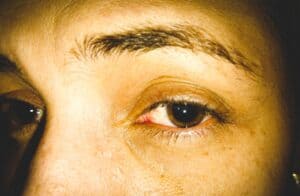
The signs of meth use are easy to spot once you know what to look for. Dilated pupils, days without sleep, rapid weight loss, sores on the face and arms, and a mood that goes from euphoric to paranoid in an hour are the classic signs of methamphetamine abuse. Methamphetamine is a highly addictive stimulant, extremely addictive even compared with cocaine, and meth addiction takes hold faster than almost any other dangerous drug. In 2024, 2.4 million Americans used the drug.
What Are the Signs of Meth Use?
Meth symptoms and signs fall into three groups, and the signs and symptoms of methamphetamine use rarely show up one at a time. Physical indicators come first. Behavioral symptoms follow within weeks of regular meth use. Mood symptoms and psychosis come with heavier or longer methamphetamine abuse. Someone can be in real trouble without showing all of them.
Physical signs of meth use
- Dilated pupils, often with rapid eye movement.
- Excessive sweating and a body temperature that runs hot even at rest.
- Rapid, noticeable weight loss and loss of appetite.
- Skin sores, scabs, and picked at lesions on the face, arms, and hands. Meth users often feel bugs under the skin and scratch at them, one of the signs and symptoms most specific to methamphetamine.
- Meth mouth, the severe dental problems that come with chronic methamphetamine use. Tooth decay, gum disease, cracked teeth, and tooth loss, from dry mouth, teeth grinding, sugar cravings, and neglected hygiene.
- Twitching and tremors.
- Burns on lips or fingers from a hot pipe, or track marks from injecting.
- Disrupted sleep patterns. Awake for two to five days, then asleep for one or two.
Behavioral symptoms
- Increased energy that does not match how little they slept. Talking fast, fidgeting, cleaning at 3 a.m.
- Repetitive, obsessive activity like taking things apart or scrubbing one spot.
- Social isolation. Pulling away from family, old friends, and the interpersonal relationships that came before the methamphetamine. Social isolation gets worse as the addiction does.
- Loss of interest in work, school, hobbies, and responsibilities.
- Secrecy, lying, and money problems, the signs of substance abuse that show up with every drug. Missing cash, pawned items, unexplained debt.
Mood symptoms and psychological signs
- Erratic mood swings. Euphoric and confident, then irritable, then flat and hopeless as the methamphetamine wears off. Mood swings this wide in someone who used to be steady are a warning sign.
- Anxiety, agitation, and aggression that appear out of nowhere in someone with no history of either.
- Paranoia. The person believes they are being watched, followed, or recorded.
- Hallucinations, both visual and auditory, in heavy or long term users.
- Suicidal ideation during the crash, which is when the risk of self harm peaks.
If you are asking yourself how do you know someone is using, look at the combination rather than any one sign. Weight loss alone could be anything. Weight loss with no sleep, sores, and paranoia usually means meth abuse, and the symptoms, signs, and timeline together point to methamphetamine addiction.
Understanding Meth Addiction, Causes and Risk Factors, Including Co Occurring Disorders
Methamphetamine is a potent central nervous system stimulant. It floods the brain with dopamine, the chemical that lets people feel pleasure, at levels nothing natural comes close to. The euphoric high is intense and short, and the crash afterward drives the next dose. Over time the brain stops making its own dopamine, and the person cannot feel pleasure from anything but methamphetamine. That is how meth addiction works, and it explains most of the effects of meth on mood.
Methamphetamine comes in two forms. Powder, which is snorted or swallowed, and crystal meth, the smokable form that looks like glass shards. Most of the supply comes from industrial labs in Mexico, though makeshift laboratories using anhydrous ammonia still exist. It is a Schedule II drug, with a narrow medical use as Desoxyn and a high potential for drug abuse and addiction.
Causes and risk factors for methamphetamine addiction overlap with other substance abuse and other drug addiction, and many factors stack.
- Family history. A first degree relative with a methamphetamine addiction or any addiction puts someone at greater risk.
- Co occurring disorders. Depression, ADHD, PTSD, and antisocial personality disorder are all linked to a greater likelihood of meth use. Many people start using methamphetamine to self medicate a mental health condition that was never treated, and co occurring disorders make the addiction harder to treat.
- Environmental factors. Growing up around drug use, trauma, poverty, or a peer group where meth is normal.
- Other drugs first. Most people with methamphetamine addiction used other substances before meth, and methamphetamine use often starts as a way to stay awake through a job, a party, or a comedown from something else.
- Early first use. The younger someone starts, the greater the risk of addiction.
None of these cause addiction by themselves. Together they explain why one person tries it once and walks away while another has a meth addiction within a month.
Health Consequences and Effects of Meth Addiction on the Body and Mind
The effects of meth addiction pile up across organ systems, and the health consequences of methamphetamine abuse arrive faster than with most drugs. The Drug Abuse Warning Network counted about 563,000 emergency department visits involving methamphetamine in 2024, making it the fourth most common drug in U.S. emergency rooms after alcohol, cannabis, and opioids.
- Heart and blood vessels. Elevated heart rate and blood pressure, irregular rhythm, and an increased risk of heart attack and stroke, even in people in their 20s.
- Brain. Long term methamphetamine abuse causes measurable changes in the parts of the brain that handle emotion, memory, and motor control. The National Institute on Drug Abuse reports that some of the damage is partly reversible with long abstinence, and some is very long lasting.
- Psychosis. Paranoia, hallucinations, delusions, and repetitive movements. Methamphetamine induced psychosis can last for months after the person stops, and in some people it never fully clears.
- Teeth and skin. Meth mouth and skin sores are the visible signs of methamphetamine addiction, and often the reason people are too ashamed to get help.
- Infections. Injecting raises the risk of HIV and hepatitis B and C, and meth use worsens the progression of HIV in people who already have it.
- Body temperature. Hyperthermia and convulsions during binges, which can be fatal on their own.
Methamphetamine addiction also wreaks havoc on everything around the person.
Crystal Meth Withdrawal and Overdose
Meth withdrawal starts within 24 hours of the last dose. Symptoms include crushing fatigue, sleeping for days, intense cravings, depression, anxiety, and an inability to feel pleasure for weeks. Methamphetamine withdrawal is rarely dangerous physically, but the depression can bring on suicidal thoughts, and the intense cravings pull people back into meth addiction. Withdrawal symptoms ease over one to two weeks, with mood and sleep patterns taking months to normalize.
Meth overdose looks like the drug’s usual effects pushed past what the body can take. Chest pain, racing or irregular heartbeat, very high body temperature, seizures, confusion, and collapse. Stroke and heart attack are the usual causes of death. Much of the methamphetamine supply is now cut with fentanyl, so an overdose that looks like slow breathing and blue lips is an opioid overdose and needs naloxone. Call 911 either way.
Frequently Asked Questions
Paranoia, hallucinations, delusions such as believing you are being tracked, and repetitive compulsive behavior. Agitation and the sensation of insects under the skin are close behind.
A reagent test. Marquis reagent turns orange to brown with methamphetamine, and Simon’s reagent turns blue. Kits identify the drug in a sample. They do not tell you whether a person has been using the drug. For that, a urine test detects meth for about three days.
Usually the opposite. Blood pressure runs high during meth use and drops during withdrawal, along with heart rate and energy. A spike in blood pressure during withdrawal is more often a sign the person has used again or taken other substances.
Meth Abuse and Addiction Treatment in Exton, PA
Meth addiction is one of the hardest addictions to beat alone and very treatable with help. There is no medication for meth addiction yet, so treatment relies on behavioral therapy, contingency management, and treating the co occurring depression, trauma, or ADHD underneath the meth use. Long term recovery is realistic, and much of the brain damage heals with time.
MPower Wellness treats methamphetamine addiction in Exton, PA, alongside the mental health conditions that usually come with it, through dual diagnosis programs built around work and family. If the person is still using and needs a safe place to come down first, we can connect them with detox and take it from there. Loved ones are welcome to make the first call. Call (484) 517-3005, contact us online, or verify your insurance to start admissions.
Sources
- Substance Abuse and Mental Health Services Administration. (2025). Key substance use and mental health indicators in the United States: Results from the 2024 National Survey on Drug Use and Health.
- Substance Abuse and Mental Health Services Administration. (2025). Drug Abuse Warning Network (DAWN): National estimates from drug-related emergency department visits, 2024.
- National Institute on Drug Abuse. (n.d.). What are the long-term effects of methamphetamine misuse?
- Drug Enforcement Administration. (n.d.). Methamphetamine drug fact sheet.