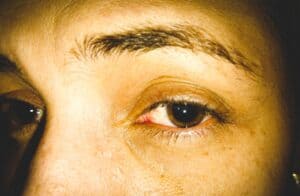
The signs of cocaine use come and go in cycles, which is what makes them easy to miss. Dilated pupils, a runny nose that never clears, a burst of confidence and fast talk, then a crash into irritability and sleep. Cocaine is a powerful, fast acting illicit substance, and cocaine addiction can take hold within weeks of the first line. In 2024 the Drug Abuse Warning Network counted about 392,000 emergency room visits involving cocaine. Most had someone at home who had noticed the following signs.
What Are the Signs of Cocaine Use? The Signs and Symptoms to Watch For
The signs and symptoms of cocaine use fall into three groups. The physical ones show up during and right after use. Behavioral symptoms build over weeks. The psychological ones come with heavier cocaine abuse and the crashes between binges. Not everyone shows all of them, and the whole picture matters more than any one sign.
Physical signs
- Dilated pupils, even in bright light.
- Frequent sniffing, runny nose, nosebleeds, and chronic nasal irritation.
- Increased energy, restlessness, and fast talk, the desired effects people abuse cocaine for.
- Rapid heart rate and elevated blood pressure.
- Weight loss and loss of appetite.
- White powder residue around the nose or on cards.
Behavioral signs
- Bursts of confidence and sociability, followed by withdrawal and exhaustion.
- Frequent bathroom trips at parties or work, returning wired.
- Money problems that do not match income. A cocaine abuse problem empties accounts quickly.
- Secrecy, lying, and new friends who come around at odd hours, the same as with any addiction.
- Neglecting work, school, and relationships. People who abuse cocaine reorganize their week around getting more, and drug seeking takes over when the supply runs low.
- Erratic behavior and risk taking, from reckless driving to fights.
Psychological signs
- An intense high followed by irritability, anxiety, and depression as it wears off.
- Paranoia. The person believes they are being watched or talked about.
- Intense craving for more cocaine within an hour of the last dose. This is what keeps the addiction going.
- Suicidal thoughts during the crash, which is when the risk peaks.
To tell if someone is on drugs, look for the cycle. Someone who is sharp and talkative Friday night, unreachable Saturday, and flat and irritable Sunday is showing the classic signs, symptoms, and rhythm of cocaine abuse.
Understanding Cocaine Addiction, Causes and Risk Factors, Including Co Occurring Disorders
Understanding cocaine addiction starts in the brain. Cocaine comes from coca leaves grown in South America and is sold as a powder or cooked into crack cocaine, a crystallized rock that is smoked. Both forms of the drug hit the reward system the same way. Cocaine blocks dopamine from being recycled, so the pleasure signal floods the brain and stays. The result is an intense high that lasts 15 to 30 minutes, then a drop below baseline that makes the person want more cocaine right away.
Repeated use causes lasting changes in that reward system. The brain makes less dopamine on its own, ordinary pleasures stop registering, and the drug becomes the only thing that works. That is how cocaine abuse turns into cocaine addiction. It is why the American Psychiatric Association lists cocaine use disorder alongside other substance use disorders in the Diagnostic and Statistical Manual of Mental Disorders, as a medical condition rather than a habit or a character flaw.
Causes and risk factors for cocaine addiction overlap with those for other substance use disorders, and they stack.
- Family history. A first degree relative with cocaine addiction or any substance abuse problem puts someone at greater risk.
- Co occurring disorders. Depression, anxiety, ADHD, and other mental health conditions are common in people who abuse cocaine, and many start using to manage a mental illness that was never treated.
- Personal history. Trauma, early use of any drug, and a personal history of drug abuse involving alcohol or other substances all make cocaine addiction more likely.
- Environment. Growing up around substance use, or social circles where cocaine is normal.
- Age. Young adults ages 18 to 25 have the highest rates of past year cocaine use of any age group, according to the National Institute on Drug Abuse.
Not everyone who tries the drug develops an addiction. These factors explain why one person uses at a wedding and forgets about it while another is buying every weekend within a month.
Effects of Cocaine Addiction on Mental Health and the Body
The effects of cocaine addiction reach nearly every organ in his or her body, and they arrive faster than most people expect from a substance so many still treat as harmless.
- Heart and blood vessels. Cocaine constricts blood vessels and spikes heart rate and blood pressure. Heart attack, stroke, and cardiac arrest can happen in young, healthy people who abuse cocaine, sometimes on the first use. Chest pain after cocaine needs emergency medical attention.
- Brain. Long term cocaine abuse causes lasting changes in attention, impulse control, memory, and one’s sense of judgment, along with a higher risk of seizures and stroke.
- Nose and lungs. Snorting erodes nasal tissue, and smoking crack cocaine damages the lungs.
- Mental health. Cocaine produces a long list of psychiatric symptoms, from anxiety and mood instability to full paranoid psychosis. It worsens co occurring mental disorders, and people with cocaine and substance abuse problems are at higher risk of suicidal thoughts during withdrawal.
- Life. Financial problems, relationship conflict, legal trouble, and job loss, usually in that order. The negative consequences of the addiction pile up fast.
Cocaine Withdrawal and Overdose Effects When People Abuse Cocaine
Withdrawal after cocaine abuse is different from opioid or alcohol withdrawal. There is little physical danger, and the symptoms of cocaine withdrawal are almost all psychological. Exhaustion, sleeping for days, depression, anxiety, and craving that peaks in week one. Withdrawal symptoms ease over one to two weeks, but low mood and cravings can linger for months and are the main reason people abuse cocaine again.
The signs and symptoms of a cocaine overdose look like the drug’s usual effects pushed past what the body can handle. Chest pain, a racing or irregular heartbeat, very high body temperature, seizures, difficulty breathing, and collapse. Overdose effects can be fatal within minutes, and the risk is higher when cocaine is mixed with alcohol or other substances. Much of the cocaine supply is now cut with fentanyl, so an overdose that looks like slow breathing and blue lips is an opioid overdose and needs naloxone. Call 911 either way.
Frequently Asked Questions
The clinical name for cocaine addiction. It is diagnosed when the substance causes at least two of eleven problems in a year, such as using more than intended, failed attempts to cut down, cravings, and continuing to use despite harm.
Some programs describe addiction in stages. Stage four means daily use, high tolerance, withdrawal between uses, and continuing despite serious harm. It lines up with what the Diagnostic and Statistical Manual calls severe cocaine use disorder.
Symptoms/signs of cocaine intoxication include dilated pupils, rapid speech, restlessness, elevated blood pressure, sweating, and grandiosity, followed within an hour by irritability and fatigue. Paranoia or chest pain at any point means the dose was too high.
Cocaine and Substance Abuse Treatment Options in Exton, PA
Cocaine addiction is a chronic, treatable medical condition. There are no FDA approved medications for it, so treatment options rely on behavioral therapy, contingency management, and treating the depression, anxiety, or trauma underneath the addiction and the drug use. Long term recovery is realistic, and the effects of cocaine addiction on the brain ease with time.
MPower Wellness treats cocaine addiction and crack cocaine addiction in Exton, PA, alongside the mental health conditions that usually come with them, through dual diagnosis programs. If detox is needed first, we can connect you and take it from there. Call (484) 517-3005, contact us online, or verify your insurance to start admissions.
Sources
- Substance Abuse and Mental Health Services Administration. (2025). Drug Abuse Warning Network (DAWN): National estimates from drug-related emergency department visits, 2024.
- Drug Enforcement Administration. (n.d.). Cocaine drug fact sheet.