Shrooms, or psilocybin mushrooms, usually produce effects that last four to six hours, though the full experience can run longer depending on the dose, the potency, and your metabolism. If you or someone you care about recently used them, how long shrooms last is often the first question, closely followed by what happens during that window and what recovery looks like afterward. The timing of a trip, the range of physical and psychological effects, and the point where substance use turns into a real problem are all worth understanding clearly. Support is available and effective if substance use ever starts to feel overwhelming.
What Are Shrooms? Understanding Psilocybin
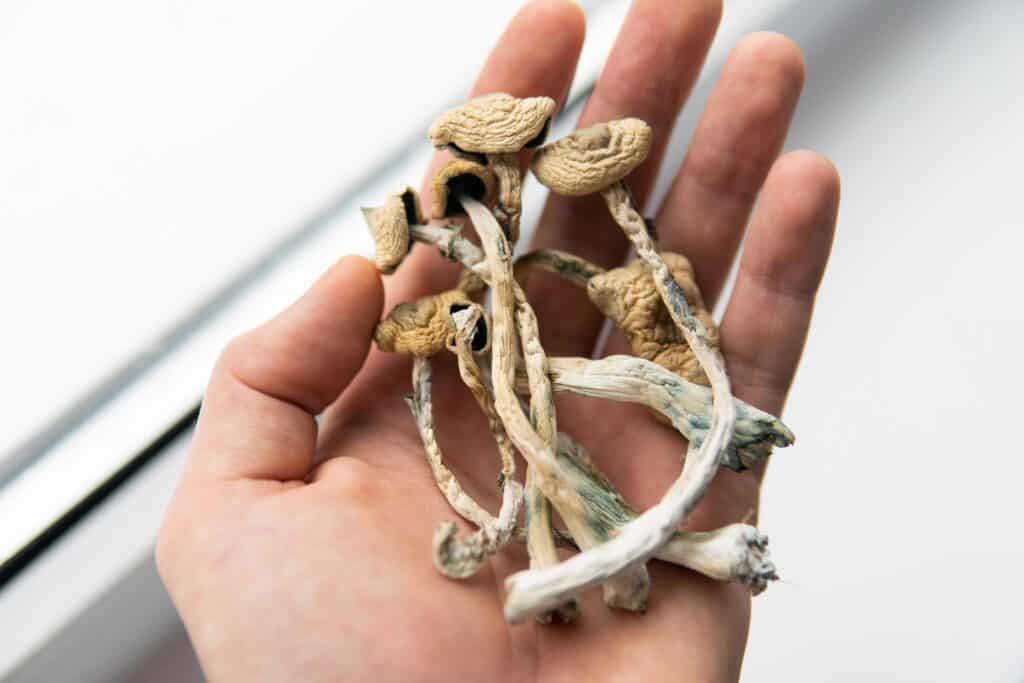
Shrooms, widely known as magic mushrooms, are a specific type of fungi containing the psychoactive compounds psilocybin and psilocin. When a person ingests these mushrooms, the body rapidly converts psilocybin into psilocin. This chemical interacts directly with the brain’s serotonin system. Specifically, it binds to serotonin receptors that regulate mood, cognition, and perception. This interaction disrupts normal brain communication, leading to profound sensory effects, emotional shifts, and altered perceptions of time and reality.
While researchers are studying the clinical potential of these compounds for mental health treatments, they remain highly restricted. In the United States, psilocybin is classified as a Schedule I controlled substance. This means the federal government considers it to have a high potential for misuse and no currently accepted medical use. This strict classification extends to state levels as well. When navigating the landscape of legal drugs in Pennsylvania, it is important to know that psilocybin remains entirely illegal. Possessing, cultivating, or distributing these mushrooms carries significant legal penalties.
For authoritative information on the legal and physical profile of these substances, you can review the drug fact sheet from the Drug Enforcement Administration. Despite the growing public interest and early-phase clinical trials exploring their therapeutic value, magic mushrooms carry real risks outside of controlled, scientific environments. For anyone whose use has moved beyond a one-time experiment, a structured drug rehab in Pennsylvania can address the substance use alongside any underlying mental health concerns. Understanding how these fungi affect the brain can help you make informed health decisions and learn when detox centers in Pennsylvania may be needed.
Timeline of Shroom Effects: How Long Do They Last?
When people ask how long shrooms last, the clinical answer usually falls between four and six hours. However, the exact duration of a trip depends heavily on the dose, the mushroom’s specific potency, and a person’s metabolism. The typical timeline of psychedelic effects, from the moment of ingestion to the final stages of recovery, breaks down into a few clear phases.
| Phase | Timeframe | Typical Effects |
|---|---|---|
| Onset | 20 to 60 minutes | Mild nausea, heightened anticipation, early sensory sharpening, and slight mood shifts. |
| Come-up | 1 to 1.5 hours | Increasing intensity of visual and auditory changes, along with a shifting sense of time. |
| Peak | 1.5 to 3 hours | Strongest visual hallucinations, deep introspection, emotional peaks, and altered reality. |
| Comedown | 3 to 6 hours | Gradual fading of intense effects, reflective mood, mental fatigue, and a return to baseline. |
Onset and Peak of Psychedelic Effects
Onset typically begins within 20 to 60 minutes. During this window, the body actively breaks down psilocybin. You might notice physical changes like a slightly elevated heart rate or heaviness in your limbs. As the trip moves into the peak phase, usually between the second and third hour, the psychedelic effects reach their maximum intensity. This is when users report the most profound visual and auditory hallucinations. The world may look distorted, colors often appear intensely bright, and thought patterns become highly abstract. This peak period requires a safe environment, as overwhelming sensory input can sometimes trigger anxiety or a bad trip.
The Comedown and Residual Effects
After the peak, the body slowly clears the psilocin from its system. This comedown phase spans from hour three to hour six. The intense visual hallucinations fade, and a person gradually regains their normal sense of time and space. Even after the primary mental effects and physical effects subside, many people experience what is called an afterglow. This period can last up to 24 hours and often involves lingering mental fatigue, a sense of calm, or deep reflection. You can learn more about the scientific timelines of these phases in a clinical overview on the therapeutic use of psilocybin. By the 24-hour mark, the substance is generally undetectable in the body’s immediate metabolic processes.
How Long Shrooms Stay in Your System
How long the effects last is a separate question from how long shrooms stay in your system for testing purposes. Psilocin clears the body relatively quickly, and standard urine tests can typically detect it for roughly 24 hours after use, though heavy or repeated dosing can stretch that window a little longer. Blood testing has an even shorter detection range, usually a matter of hours, which is one reason psilocybin is rarely included on routine drug panels. Hair follicle testing can theoretically reveal past use for up to 90 days, but it is uncommon and not part of most clinical or employment screenings. Hydration, kidney function, dose size, and use frequency all influence these timelines, so the ranges are estimates rather than guarantees.
Factors Affecting Duration and Experience
No two psychedelic experiences are exactly the same. While the average trip lasts four to six hours, several biological and environmental factors determine how the body and mind react.
- Dosage and Potency: Taking more psilocybin will extend both the peak and overall duration of the trip. Different species of magic mushrooms also vary wildly in their natural potency.
- Body Weight and Metabolism: A person with a faster metabolism will process the compounds more quickly, which can shorten the trip. Conversely, a slower metabolism can stretch the timeline out.
- Stomach Contents: Eating shrooms on an empty stomach leads to a faster onset and a more intense peak. A full stomach slows down absorption, which delays the onset and stretches the effects.
- Tolerance: People who use psychedelics frequently build a rapid tolerance. This means they will experience diminished effects compared to a first-time user taking the exact same dose.
Beyond biology, the psychological concept of set and setting plays a massive role in shaping the experience. Set refers to your mindset, your mood, expectations, and current mental health. Setting refers to the physical space you are in and the people around you. A safe environment with trusted friends often leads to a more positive experience.
In contrast, taking psychedelics in a chaotic space or while dealing with intense stress dramatically increases the risk of a bad trip. This psychological vulnerability can trigger spikes in blood pressure and severe anxiety. Practices like mindfulness therapy highlight how deeply our internal emotional state dictates our physical and psychological reality.
Potential Risks and Side Effects of Shrooms
While some people view natural psychedelics as harmless, they carry distinct physical and psychological risks. On a physical level, the acute side effects often include severe nausea, vomiting, dizziness, and muscle weakness. The body also experiences cardiovascular strain. Psilocybin frequently causes an increased heart rate and elevated blood pressure, which can be dangerous for individuals with underlying heart conditions.
The psychological risks are often more severe and unpredictable. During a trip, a person might experience profound paranoia, extreme confusion, or a highly distressing bad trip. For individuals with a family history of mental health conditions, such as schizophrenia or bipolar disorder, psychedelics can trigger severe psychiatric episodes or persistent psychosis. Another known risk is Hallucinogen Persisting Perception Disorder. This condition causes people to experience sudden, disruptive visual flashbacks weeks, months, or even years after the drug has left their system.
In recent years, the practice of microdosing has gained popularity, alongside clinical trials exploring psilocybin for severe depression. However, self-medicating complex mental health problems without medical supervision is highly dangerous. Psychedelics are not a magic cure. They can easily worsen existing symptoms of anxiety or depression if used improperly. At MPower Wellness, we firmly believe in evidence-based care. Relying on recreational substances to manage mental pain is risky. Safe, structured programs, such as the expert anxiety treatment in Philadelphia residents trust, provide a much more stable path to lasting wellness.
Shrooms and Addiction Recovery
A common question surrounding psychedelics is whether they are addictive. From a purely clinical standpoint, magic mushrooms do not cause physical dependence. People who stop using them do not go through physical withdrawal symptoms, and the body builds tolerance so quickly that taking them daily becomes ineffective. However, a lack of physical addiction does not mean they are risk-free.
People can easily develop a psychological dependence on the profound, reality-altering experiences that psychedelics provide. Relying on any substance to escape emotional pain, avoid daily stressors, or alter your reality can hinder true empowerment. True recovery is about building the resilience to face life on life’s terms, rather than retreating into an altered state of consciousness. This is especially true for individuals already navigating other substance use disorders. Using hallucinogens can blur boundaries, lower inhibitions, and ultimately lead to a relapse with an individual’s primary substance of choice.
Recognizing Problematic Substance Use
If you are concerned about your own relationship with substances, looking at behavioral patterns is key. Recognizing these signs is an empowering first step toward reclaiming your agency and improving your mental health.
- You use substances to cope with stress, emotional pain, or mental health problems.
- Your substance use is causing friction in your personal relationships.
- You are neglecting responsibilities at work, school, or home to use or recover from using.
- You feel unable to enjoy daily life or social events without being under the influence.
- You have considered seeking out dual diagnosis treatment centers in PA because you suspect underlying psychiatric conditions are driving your substance use.
When to Seek Help: Empowerment and Treatment at MPower Wellness
Recovery is not about admitting defeat, it is about reclaiming your personal power and building a life where you feel capable and purposeful. If you find yourself struggling with substance use disorders or co-occurring mental health conditions, you do not have to figure it out alone. Here in Chester County, along the Route 30 mainline, professional support is closer than you think.
At MPower Wellness in Exton, we offer a modern, empowerment-focused approach to care. Our programs, including a Partial Hospitalization Program, an Intensive Outpatient Program, and standard outpatient rehab in Pennsylvania, are designed to fit into your real life. We specialize in dual diagnosis treatment, addressing both the substance use and the mental health challenges simultaneously. You do not need to disappear from your family or career to get high-quality clinical help.
What Support Looks Like at Our Exton Facility
Because MPower Wellness is built around outpatient care, treatment fits around your daily responsibilities rather than pulling you away from them. A Partial Hospitalization Program offers the most structured, full-day support, while an intensive outpatient program in Pennsylvania provides several focused sessions each week for people who need more flexibility. Standard outpatient care steps down further as stability grows. Across every level, our dual diagnosis approach treats substance use and any underlying mental health condition together, and medication management supports clients who benefit from it. Aftercare planning then helps protect the progress you build, so recovery continues well beyond your last scheduled session.
Taking the next step is a practical, achievable process. Our team can help you verify your commercial insurance coverage or explore options regarding PA Medicaid. We are here to navigate the logistics so you can focus on healing.
Frequently Asked Questions
Shrooms, or magic mushrooms, are a type of fungi containing the psychoactive compounds psilocybin and psilocin. When consumed, they interact with the brain’s serotonin system to produce hallucinations, sensory distortions, and profound emotional shifts.
The effects range from visual and auditory hallucinations to deep introspection and an altered sense of time. Physical effects often include increased heart rate, elevated blood pressure, nausea, and muscle weakness. Psychologically, they can induce a sense of euphoria, but they can also cause extreme anxiety, paranoia, or a distressing bad trip.
No. In the United States, psilocybin is classified as a Schedule I controlled substance under federal law. This means it is entirely illegal to possess, cultivate, or distribute. This strict ban also applies at the state level in Pennsylvania, despite ongoing clinical trials exploring its medical potential.
While a fatal toxic overdose from psilocybin alone is extremely rare, the substance is still dangerous. The primary risks are psychological, including severe panic attacks, psychotic episodes, and long-term perceptual disorders. Additionally, misidentifying wild mushrooms can lead to accidental poisoning from highly toxic lookalike fungi.
Moving Forward With Clarity and Support
Understanding the timeline and effects of psychedelics is essential for making safe, informed choices about your health. While the effects of these substances typically fade within a few hours, the psychological impact can linger, and relying on any substance to escape reality can ultimately stand in the way of your personal growth. If you or a loved one are feeling overwhelmed by substance use or mental health challenges, professional support can help you regain control.
Reach out to MPower Wellness today at (484) 517-3005 to speak with our compassionate team. You can also visit our contact page to schedule a confidential assessment at our Exton facility. Rebuilding your capable, purposeful self is entirely possible, and we are here to provide the clinical guidance you need to move forward with confidence.
Sources
National Institute on Drug Abuse. (January 24, 2024). Psilocybin (Magic Mushrooms). National Institute on Drug Abuse.
Drug Enforcement Administration. (n.d.). Drug fact sheet: Psilocybin. U.S. Department of Justice.
Pennsylvania Department of Drug and Alcohol Programs. (n.d.). Hallucinogen use in Pennsylvania. Commonwealth of Pennsylvania.
PubMed Central. (December 1, 2022). Therapeutic use of psilocybin: Practical considerations for dosing. National Library of Medicine.
PubMed Central. (May 26, 2025). What are set and setting: Reducing vagueness to improve research. National Library of Medicine.
University of California, Berkeley. (February 21, 2023). Preparing for a Psychedelic Experience- Mindset. UC Berkeley Center for the Science of Psychedelics.
Emory University. (July 10, 2025). Psilocybin delays aging, extends lifespan, new Emory study suggests. Emory University.
PubMed Central. (May 19, 2016). Commentary: Effects of psilocybin on time perception and temporal. National Library of Medicine.
National Center for Complementary and Integrative Health. (n.d.). Psilocybin for Mental Health and Addiction: What You Need To Know. National Institutes of Health.
University of California, Berkeley. (March 17, 2025). Long Term Physical Effects of Psychedelics. UC Berkeley Center for the Science of Psychedelics.
PubMed Central. (October 30, 2023). Psychedelics action and schizophrenia. National Library of Medicine.
Substance Abuse and Mental Health Services Administration. (June 9, 2023). National Helpline for Mental Health, Drug, Alcohol Issues. SAMHSA.
National Institute on Drug Abuse. (July 6, 2020). Treatment and Recovery. National Institute on Drug Abuse.
PubMed Central. (February 5, 2022). Analysis of Psilocybin-Assisted Therapy in Medicine. National Library of Medicine.
PubMed Central. (September 28, 2025). The Role of Psychedelics in the Treatment of Substance Use. National Library of Medicine.
Centers for Medicare & Medicaid Services. (n.d.). Provider Information for 1841914983 – NPPES NPI Registry. U.S. Department of Health and Human Services.
PubMed Central. (March 23, 2018). Clinical potential of psilocybin as a treatment for mental health. National Library of Medicine.